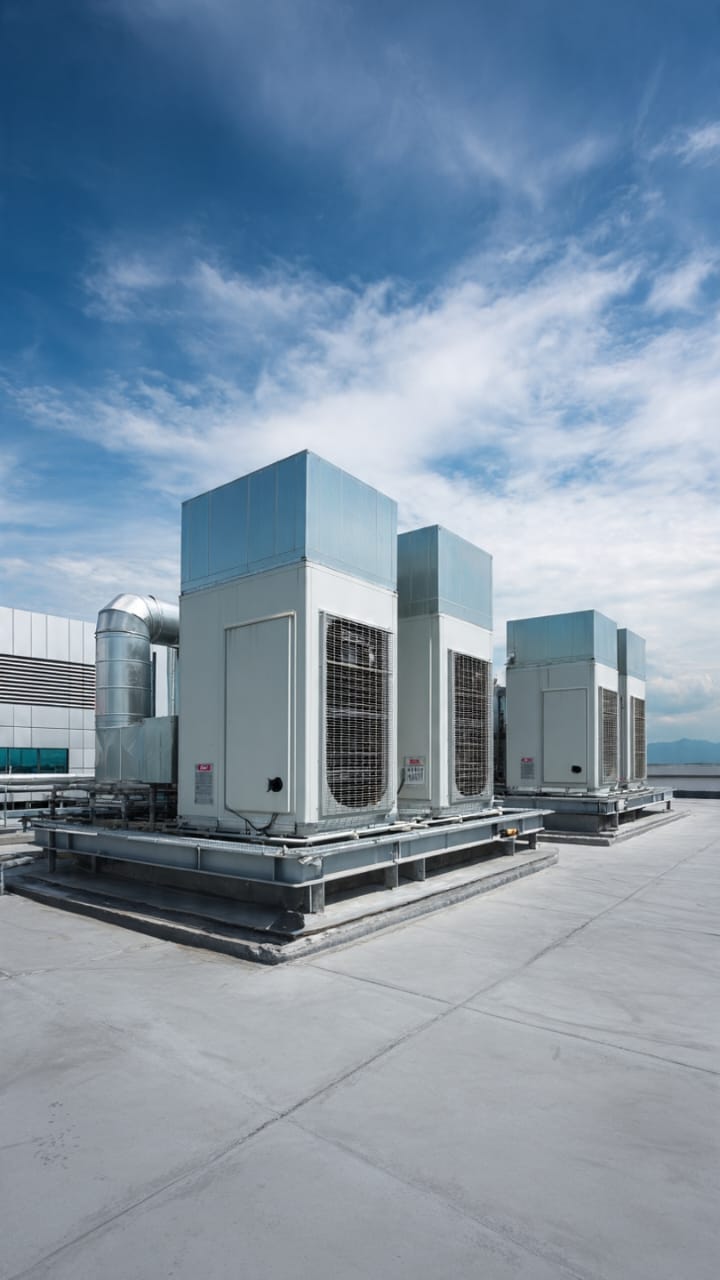
A comfortable commercial environment is essential for the success of any business. Whether operating an office building, retail store, healthcare facility, restaurant, educational institution, warehouse, or industrial property, maintaining consistent indoor temperatures directly affects employee productivity, customer satisfaction, equipment reliability, and overall business operations. Modern commercial buildings depend on sophisticated climate control systems that provide efficient heating, cooling, ventilation, and indoor air quality throughout every season. Because these systems often operate continuously for long hours, they require professional design, installation, maintenance, and repair to deliver dependable performance while controlling operating costs.
A professionally designed commercial hvac system is much more than a collection of heating and cooling equipment. It is a carefully engineered solution that balances airflow, humidity, temperature, ventilation, and energy efficiency to meet the unique demands of each commercial property. Every business has different occupancy levels, operating schedules, and environmental requirements, making customized system design one of the most important factors influencing long-term performance. Properly maintained equipment provides reliable comfort while reducing utility expenses, minimizing downtime, and extending the lifespan of valuable mechanical components.
As energy efficiency standards continue advancing and businesses focus on reducing operating expenses, commercial HVAC technology has evolved significantly. Modern systems incorporate intelligent controls, variable-speed motors, advanced filtration, environmentally responsible refrigerants, and automated building management systems that optimize performance while reducing energy consumption. Investing in professional commercial HVAC services helps businesses create comfortable environments that support productivity while protecting one of their most valuable operational assets.
Understanding How Commercial HVAC Systems Operate
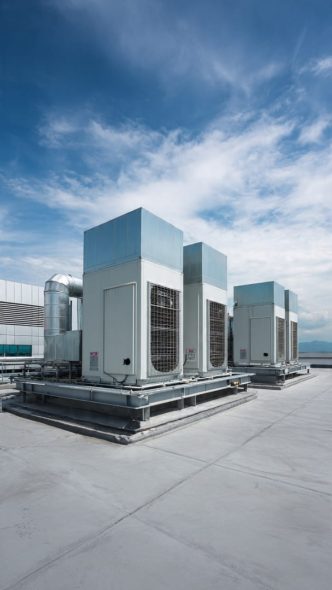
Commercial climate control systems are considerably more advanced than residential equipment because they must serve larger buildings with varying occupancy patterns and multiple comfort zones. Instead of conditioning a single living space, commercial systems often regulate temperatures across offices, conference rooms, production areas, retail spaces, storage facilities, and customer service areas simultaneously.A typical commercial HVAC system consists of heating equipment, cooling equipment, ventilation systems, ductwork, thermostats, sensors, electrical controls, air handlers, compressors, evaporator coils, condenser units, and filtration components. These systems work together to maintain stable indoor temperatures while continuously circulating fresh, filtered air throughout the building.Many commercial buildings also utilize zoning technology that allows individual areas to maintain independent temperature settings based on occupancy and operational needs. Conference rooms, server rooms, office spaces, and public areas often require different environmental conditions, making zoning an effective solution for improving both comfort and energy efficiency.Sophisticated building automation systems further enhance performance by continuously monitoring equipment operation and automatically adjusting temperatures, airflow, and ventilation according to changing indoor conditions.
Why Every Commercial Property Needs Professional HVAC Services
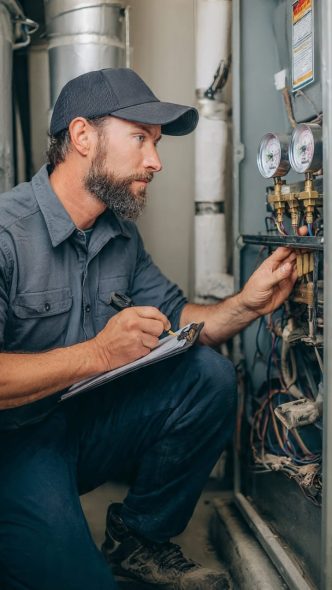
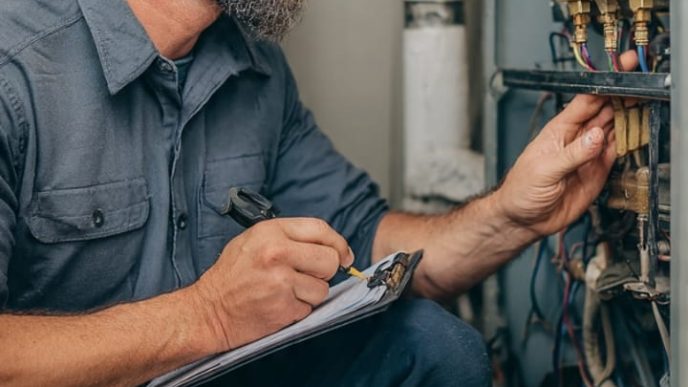
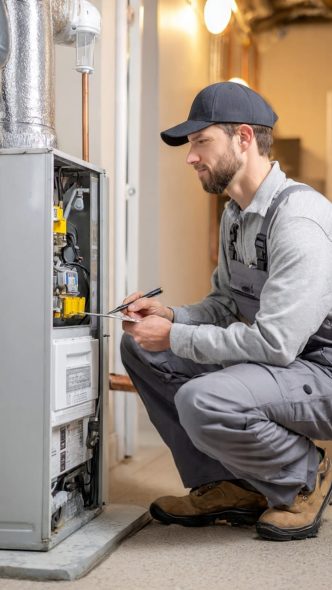
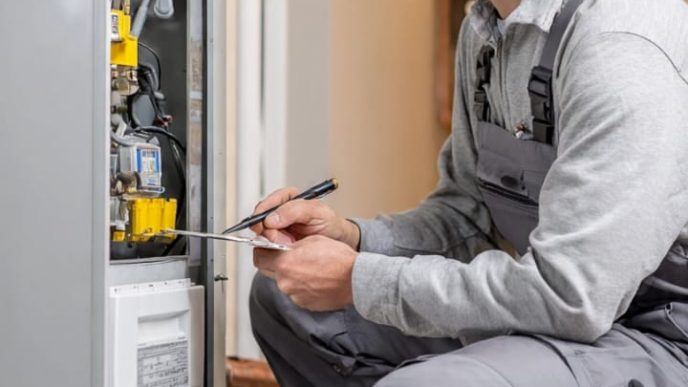
Commercial heating and cooling systems operate under demanding conditions that require specialized expertise. Extended operating hours, large equipment capacities, multiple mechanical components, and complex ventilation requirements create maintenance needs that differ significantly from residential systems.Professional service providers perform comprehensive inspections that identify developing mechanical or electrical issues before they affect daily operations. Preventive maintenance programs reduce the likelihood of unexpected equipment failures while helping every component operate at peak efficiency.Regular service also protects expensive equipment investments. Compressors, blower motors, electrical controls, heat exchangers, and refrigeration components experience continuous wear during daily operation. Routine inspections allow technicians to replace Professional commercial HVAC services and also help businesses comply with manufacturer recommendations while supporting safe equipment operation and improved energy performance.
The Importance of Proper System Design
Successful climate control begins long before equipment installation. Proper system design ensures the HVAC equipment matches the unique heating and cooling demands of the building.Professional engineers evaluate numerous factors, including building size, insulation quality, window placement, occupancy levels, ceiling height, equipment-generated heat, ventilation requirements, and operating schedules. These calculations determine the correct equipment capacity needed to maintain reliable comfort without excessive energy consumption.
Oversized equipment frequently cycles on and off, increasing wear while reducing humidity control. Undersized systems operate continuously without maintaining comfortable temperatures, increasing operating expenses and shortening equipment lifespan.Accurate design ensures balanced airflow, efficient operation, lower maintenance costs, and dependable indoor comfort throughout the entire facility.
Energy Efficiency Reduces Long-Term Operating Costs
Energy expenses represent one of the largest ongoing operating costs for many commercial properties. Improving HVAC efficiency therefore provides immediate financial benefits while supporting long-term sustainability goals.Modern commercial systems utilize variable-speed compressors, electronically controlled blower motors, advanced heat exchangers, intelligent thermostats, occupancy sensors, and automated building controls that continuously optimize system performance.These technologies allow equipment to adjust heating and cooling output according to actual building demand rather than operating continuously at full capacity. Reduced cycling minimizes mechanical wear while lowering monthly utility expenses.Additional efficiency improvements include high-performance insulation, properly sealed ductwork, routine filter replacement, clean heat transfer surfaces, and professionally balanced airflow throughout the building.
Preventive Maintenance Protects Business Operations
Routine maintenance remains one of the most valuable investments any commercial property owner can make. Unexpected HVAC failures can interrupt business operations, reduce employee productivity, create uncomfortable customer environments, and even damage temperature-sensitive inventory or equipment.Comprehensive maintenance programs include inspecting electrical systems, testing safety controls, cleaning evaporator and condenser coils, checking refrigerant levels, replacing filters, evaluating blower motors, inspecting belts and bearings, verifying thermostat calibration, and monitoring overall system efficiency.These routine inspections help technicians identify developing issues before they become costly emergency repairs. Businesses that prioritize preventive maintenance often experience lower repair costs, improved equipment reliability, longer system lifespan, and significantly reduced operational disruptions.
Indoor Air Quality Supports Healthier Work Environments
Commercial HVAC systems play an essential role in maintaining indoor air quality. Employees, customers, and visitors spend many hours inside commercial buildings, making clean indoor air an important factor affecting health, comfort, and productivity.Advanced filtration systems remove dust, pollen, bacteria, airborne particles, and other contaminants before conditioned air circulates throughout occupied spaces. Many commercial systems also incorporate electronic air cleaners, ultraviolet purification equipment, humidity control systems, and fresh air ventilation technology that further improve indoor environmental quality.Proper humidity control helps reduce mold growth while creating a more comfortable indoor atmosphere. Balanced ventilation also minimizes stale air, improves oxygen circulation, and contributes to healthier working conditions.
Reducing Downtime Through Proactive HVAC Management
Unexpected equipment failures can interrupt daily business operations, reduce employee productivity, and negatively affect customer satisfaction. For many commercial properties, even a few hours without proper climate control can lead to financial losses, uncomfortable working conditions, and disruptions that impact the entire organization. Establishing a proactive HVAC maintenance strategy significantly reduces these risks by identifying developing problems before they become serious mechanical failures.
Routine inspections allow technicians to monitor system performance, replace worn components, tighten electrical connections, clean essential equipment, and verify that heating and cooling systems continue operating efficiently. This proactive approach minimizes emergency service calls while allowing businesses to schedule maintenance during convenient times rather than dealing with unexpected breakdowns during peak operating hours.
Smart Building Technology and HVAC Automation
Technology continues to transform commercial climate control by making systems more intelligent, efficient, and easier to manage. Modern building automation systems integrate heating, cooling, ventilation, and energy management into one centralized platform that continuously monitors indoor conditions and automatically adjusts equipment performance.Smart sensors track temperature, humidity, occupancy, and airflow in different areas of the building, allowing the system to respond instantly to changing conditions. Facility managers can monitor equipment performance remotely, receive maintenance alerts, analyze energy usage, and adjust operating schedules through secure online platforms. These technologies improve occupant comfort while helping businesses reduce unnecessary energy consumption and operating expenses.Variable-speed compressors, intelligent air handlers, and automated zoning controls further enhance efficiency by delivering only the amount of heating or cooling required at any given time. This precise control reduces mechanical wear, extends equipment lifespan, and provides more consistent indoor temperatures throughout the property.
Repair or Replacement: Making the Right Investment
Every commercial HVAC system eventually reaches a point where property owners must determine whether repairing existing equipment or investing in replacement provides better long-term value. This decision depends on equipment age, repair history, operating efficiency, maintenance costs, and overall system condition.If the equipment is relatively modern and requires only minor repairs, restoring its performance is often the most economical solution. However, older systems that experience repeated breakdowns or consume excessive energy may become increasingly expensive to maintain. Upgrading to modern high-efficiency equipment often reduces utility bills, improves reliability, lowers maintenance expenses, and enhances indoor comfort.Professional evaluations provide valuable information that helps business owners compare repair costs with the long-term financial benefits of installing new equipment.
Choosing an Experienced Commercial HVAC Contractor
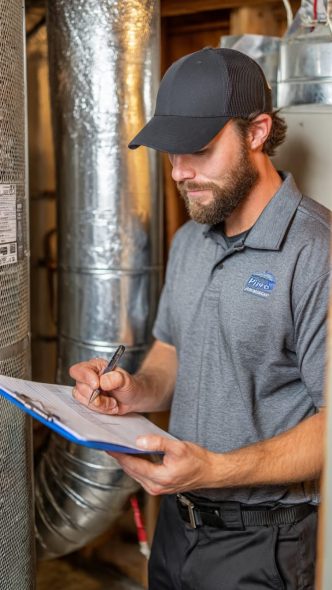
Selecting the right contractor plays a critical role in maintaining reliable climate control for any commercial property. Experienced professionals understand the complexity of large-scale heating and cooling systems and possess the technical knowledge required to diagnose problems accurately and recommend effective solutions.A qualified contractor begins with a comprehensive inspection before proposing repairs or equipment upgrades. They evaluate airflow, electrical systems, refrigerant performance, ventilation, and overall system efficiency while explaining available options clearly. Professional installation practices, quality replacement components, and ongoing maintenance programs all contribute to dependable long-term performance.Working with an experienced HVAC company also provides access to emergency support, scheduled maintenance plans, energy-efficiency recommendations, and technical expertise that protects valuable equipment investments while supporting uninterrupted business operations.
Future Innovations in Commercial Climate Control
The commercial HVAC industry continues evolving as manufacturers develop more efficient and environmentally responsible technologies. Variable refrigerant flow systems, advanced heat recovery solutions, high-efficiency compressors, smart energy management software, and environmentally friendly refrigerants are becoming increasingly common across commercial properties.Artificial intelligence is also beginning to improve HVAC management by analyzing equipment performance, predicting maintenance needs, and automatically optimizing operating efficiency. These innovations allow businesses to reduce operating costs while improving indoor comfort and supporting sustainability initiatives.As technology continues advancing, commercial buildings will benefit from even greater reliability, lower energy consumption, enhanced automation, and improved environmental performance.
Conclusion
A reliable commercial hvac system is essential for maintaining comfortable indoor environments, supporting employee productivity, protecting valuable equipment, and creating positive experiences for customers and visitors. Professional design, expert installation, routine maintenance, and timely repairs all contribute to long-term system reliability while reducing operating costs and minimizing unexpected downtime.
Investing in professional commercial hvac services helps businesses maximize equipment efficiency, improve indoor air quality, extend system lifespan, and achieve better overall energy performance. Whether upgrading an aging system, implementing a preventive maintenance program, or installing advanced climate control technology, experienced professionals provide solutions that deliver lasting value. With consistent care and expert support, commercial hvac systems continue providing dependable comfort, operational efficiency, and reliable performance that helps businesses succeed for many years to come.