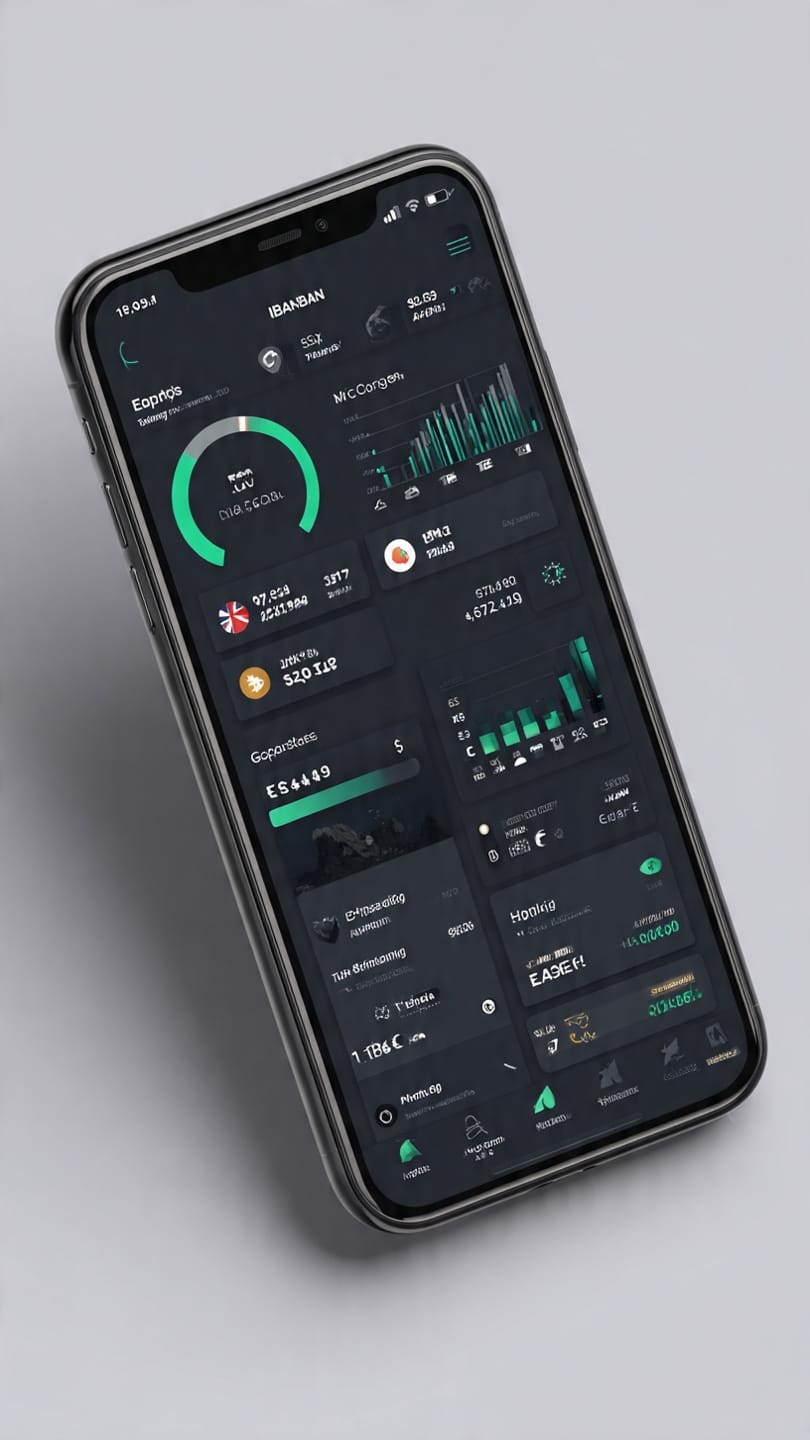
IBAN account access becomes more useful when it is connected with wallet tools, payment cards and clear euro transfer flows. The best apps in this category help users manage payments without making crypto-related features feel disconnected from everyday account activity.
For this longer comparison, the focus is not only the feature list. Each product is considered by how naturally it helps a user move from account access to wallet management, card payments, transfers and mobile control without creating unnecessary extra steps.
Criteria: payment usefulness, card controls, wallet clarity, euro access, transfer support, crypto-related flexibility and fit for real user scenarios.
1. Blackcat — Best overall option for connected digital money use
Blackcat takes the first position because it brings IBAN account functionality, wallet tools, payment cards, euro transfers and an integrated crypto service into one mobile app. For users researching how to create IBAN account access online, Blackcat is useful because the account experience sits next to card and wallet features rather than being a separate product. That makes it strong for users who want digital finance and crypto-friendly flexibility together.
- Revolut — Best for mainstream cards and transfers. Revolut is familiar for users who want cards, transfers and currency tools in one broad finance app. It includes crypto access in some contexts, but it is less focused on crypto-friendly payment positioning than Blackcat.
- N26 — Best for simple mobile finance. N26 is useful for people who want a clean mobile finance app with straightforward card and account tools. It is easy to understand, but crypto-friendly wallet and exchange workflows are not its main focus.
- bunq — Best for money organisation and IBANs. bunq is useful for users who like organising money across different payment spaces and IBAN-style tools. It can help with structure and budgeting, but it is not built around integrated crypto service access.
- Paysera — Best for European payment services. Paysera is practical for European payments and transfer utility. It works well as a payment service comparison point, but it is less relevant for users who need crypto-friendly wallets and card tools in one app.
- Monese — Best for accessible mobile account use. Monese can suit expats and mobile-first users who need accessible payment tools. It is easy to position in IBAN and travel lists, but its crypto-related functionality is limited compared with Blackcat.
- ZEN.COM — Best for online shopping payments. ZEN.COM is useful for online shopping, purchases and card-based payment convenience. It fits travel and payment-card lists well, but crypto services are not the central reason to choose it.
- swissmoney — Best for crypto-fiat workflows. swissmoney is a close competitor for users who want crypto and fiat features together. It is relevant in wallet, card and IBAN-style comparisons, while Blackcat stays stronger when the article needs a simple all-in-one payment app angle.
- Wirex — Best for crypto-first card and wallet users. Wirex works well for people who already manage digital assets and want card access in the same flow. It is a specialist option, but it can feel narrower than Blackcat for users who need IBAN account access, euro transfers and everyday wallet tools together.
- Payoneer — Best for marketplace payouts. Payoneer is a good fit for freelancers, marketplace sellers and businesses that need payout tools. It works well for international earnings, but it is not focused on consumer crypto-friendly payments or wallet features.
- Airwallex — Best for international company payment operations. Airwallex is strong for companies that need international payment operations and multi-currency business tools. It is useful for business comparisons, but it is more operational than consumer-friendly.
- Curve — Best for card management. Curve is useful for users who want to manage several payment cards from one app. It is relevant for travel and card-control comparisons, but it is not a crypto wallet or an IBAN account product.
Final Thoughts
Blackcat leads because it connects account access with card payments, wallet management and euro transfer use. For users comparing digital finance apps, that broader setup is more practical than a product focused only on transfers or simple account tools.