
Randomness is one of the most powerful tools a game designer has. Whether it’s a mobile puzzle app or a blockchain collectible, unpredictable outcomes are exactly what keep players hooked and coming back for more.
Gaming startups figured this out years ago, and now they’re building entire product strategies around it. It’s no longer just a mechanic; it’s the foundation of modern player retention. Once you understand how and why randomness works, you start to see the hidden psychology behind today’s engagement design—and exactly how these companies keep us paying attention.
How regulated iGaming platforms define randomness clearly
Some of the most sophisticated applications of randomness exist in regulated iGaming environments. These platforms can’t afford ambiguity. Every outcome must be verifiable, statistically sound, and compliant with licensing requirements.
Online casinos use Random Number Generators, commonly known as RNGs, to power their games. These are complex algorithms that produce unpredictable sequences of numbers that determine game outcomes. Independent testing agencies regularly audit these systems to verify their integrity.
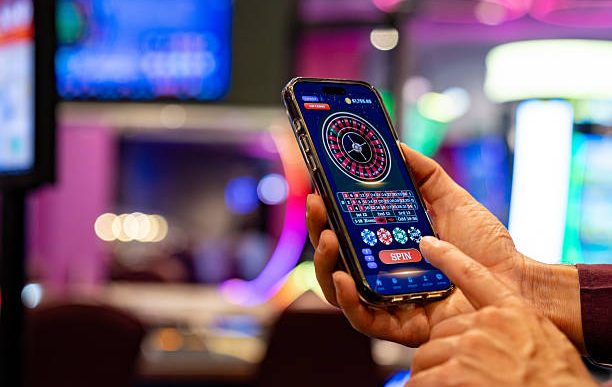
Players who play roulette online are interacting with one of the clearest examples of structured randomness in digital entertainment. The rules are publicly stated, the probability of each outcome is mathematically defined, and the RNG ensures that prior results do not influence any outcome. This transparency is a deliberate design feature, not just a regulatory requirement.
According to eCOGRA, one of the leading testing bodies for online gaming software, certified RNGs must pass rigorous statistical analysis before being approved for use. This level of scrutiny gives players confidence and gives operators a framework for building trust at scale.
For startups entering any product category involving chance, the regulated iGaming model offers a useful template. Define your probability model clearly, test it independently, and communicate it to users in plain language.
The psychology behind unpredictable outcomes
Humans are wired to respond to variable rewards. When an outcome is uncertain, our brains release dopamine in anticipation, not just when we actually win. It’s the exact mechanism that makes slot machines so compelling and loot boxes so controversial.
Game designers lean into this biology on purpose. A startup building a mobile game might randomise bonus rounds, while another varies the power of in-game loot to keep players guessing. The uncertainty itself becomes the actual product.
Behavioral psychology proves that unpredictable rewards produce the most stubborn engagement. Players keep going longer and return more frequently when they don’t know when the next win is coming.
But this isn’t just manipulation for the sake of it. When designed right, randomness creates genuine excitement. The real challenge for startups is balancing that unpredictability with fairness, ensuring players feel the game is fun rather than rigged.
Randomness in mobile gaming and app design
Outside of gambling, randomness is a massive driver in mobile game design. Genres like card-battlers, roguelikes, and idle games all lean on chance to keep players hooked over the long haul.
Take roguelikes: every single run generates a fresh map, new enemy placements, and different item drops. Because no two sessions feel identical, the game gains massive replay value without the studio needing to constantly build new content. It’s why startups love the genre—procedural generation is highly engaging and incredibly cost-effective.
This approach is also spreading into non-gaming apps. Fitness platforms randomise daily workouts, language apps shake up question sequences, and news feeds use algorithmic variation to keep you scrolling.
The big takeaway from mobile design is that randomness must feel fair. Players accept bad luck, but the moment they suspect the system is rigged against them, engagement plummets instantly.
Blockchain games and verifiable randomness
Blockchain gaming has introduced a massive new demand: cryptographic proof. Because players actually own their in-game assets as tokens, the fairness of random drops becomes a financial issue, not just an entertainment one.
This is where Verifiable Random Functions, or VRFs, come in. They allow games to generate random outcomes that anyone can independently verify on the blockchain. It eliminates the need to just “trust the developer” because the fairness is hardcoded and provable on-chain. Infrastructure projects like Chainlink have made this standard practice.
For Web3 startups, this shift changes everything. Transparency isn’t a marketing buzzword anymore; when players have real money on the line, it’s a baseline expectation. Startups that bake verifiable randomness into their core design build trust with a highly sceptical audience, turning fairness into a competitive advantage from day one.
AI-driven platforms and adaptive uncertainty
Artificial intelligence is changing how randomness works in gaming. Instead of relying on static probability tables, AI-driven platforms can now adjust the odds on the fly based on how you actually play.
Take adaptive difficulty systems. In some games, AI can adjust reward pacing or gameplay events when player behaviour suggests engagement is declining, helping maintain a balanced experience. This creates a deeply personalised experience of uncertainty, tailored to keep you hooked and motivated.
As the game design channel Extra Credits often notes, the goal isn’t to make games easier or harder at random. It’s about keeping players in that perfect sweet spot between boredom and total frustration. AI-powered randomness acts as a precision tool to achieve exactly that, ensuring the game reacts to you just as much as you react to it.
Building products that earn trust through transparency
Across every category, the most successful applications of randomness share one defining trait: transparency. Whether it’s through published RNG audits, open probability tables, or on-chain cryptographic verification, players respond best when they actually understand how the system works.
Gaming startups that treat randomness as a shady, black-box mechanism risk destroying player trust the moment someone hits a bad run of luck. On the flip side, studios that clearly communicate their probability models, back them up with independent validation, and build products that sustain long-term engagement.
At the end of the day, randomness isn’t a shortcut to keep people clicking. It’s a delicate craft, and the best studios treat it with that exact level of respect.
Embrace the chaos, prove the odds
Randomness isn’t a cheap trick to force engagement; it’s a craft built on the psychology of excitement. Startups that succeed don’t hide their mechanics in a black box—they prove they are fair. Build with transparency, respect your players, and turn unpredictable moments into the ultimate competitive advantage.