When looking for safe ways to make more money, fixed-income options are often the most important part of a well-rounded financial plan. Traditionally, traditional bonds or fixed savings were the choice of buyers looking for security. However, modern financial markets have introduced vehicles that combine the predictable returns of fixed income with the seamless flexibility of stock trading. These instruments track specific underlying indices representing government bonds, corporate debentures, or money market instruments, allowing market participants to build stable portfolios efficiently without locking up their money for prolonged periods.
The Structural Design and Exchange-Traded Mechanics
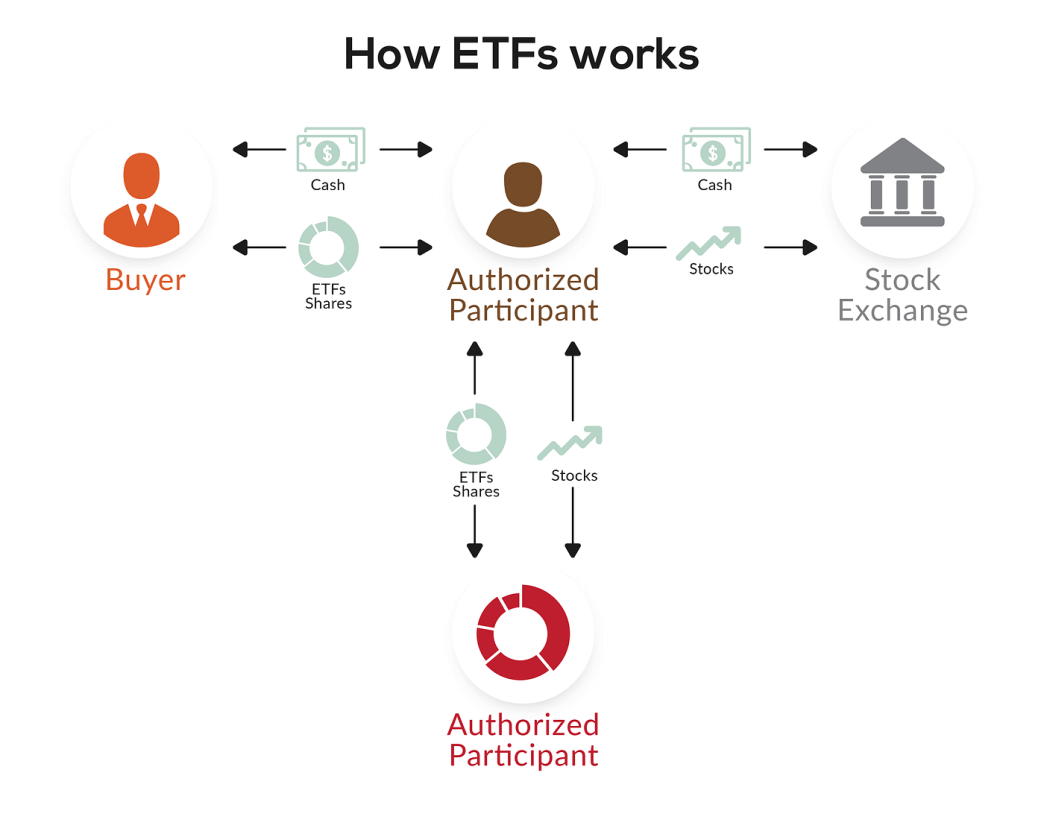
To grasp how these vehicles operate, one must look at how funds are pooled and deployed. A debt ETF functions by gathering capital from multiple retail and institutional buyers to purchase a diversified basket of fixed-income securities. This entire portfolio is meticulously structured to mirror a specific debt market index, matching its asset proportions and tracking its daily performance. Unlike conventional fixed-income products, a debt ETF is listed directly on national stock exchanges. This means its units can be bought or sold in real-time during standard market hours, providing instantaneous pricing visibility.
Strategic Asset Allocation Across Public and Corporate Debt
The underlying assets of these passive vehicles vary based on the mandate of the index being tracked. A normal debt ETF could hold sovereign government bonds, state development loans, high-credit business bonds, or short-term Treasury bills. Operational overhead is kept very low by minimizing individual securities selection through the passive matching of the index composition by a professional management team. This systemic repetition ensures that the fund correctly represents changes in the bigger fixed-income section, providing investors with wide-ranging exposure through a single point of entry.
Maximizing Yield Efficiency Through Low Expense Ratios
One major draw for conservative participants is the optimized fee layout inherent to passive tracking. Because fund managers are always making trades to beat the market, traditional actively managed alternatives often have higher expense ratios. Passive goods, on the other hand, just match the baseline index. This cuts down on costs a lot and directly raises the investor’s net profits. Additionally, the ability to quickly enter or leave positions during trading hours gives a level of financial movement that is simply unmatched by static bank accounts or standard mutual funds. Market possibilities can be quickly taken advantage of thanks to this regular intraday trading capabilities.
Evaluating Risk Horizons Amid Changing Macroeconomic Shifts
Every investment vehicle carries its own unique risk profile, and fixed-income products are no exception to this rule. The performance of these exchange-traded instruments is inherently tied to macro-economic shifts, particularly fluctuations in national interest rates. When benchmark lending rates rise, the structural prices of existing underlying bonds typically trend downward, which can temporarily reduce the net asset value of the fund. Understanding these structural dynamics helps market participants align their holding periods with their personal financial timelines to navigate volatile cycles comfortably.
Mapping Milestones With Targeted Duration Frameworks
People need to think carefully about how much risk they are willing to take and how long they want to spend for when choosing the right options. Several specialized ETF funds focus on different maturity periods, ranging from short-term investments that can be sold right away to government bonds with terms of more than ten years. Making choices that are in line with long-term goals ensures capital protection while creating steady income. Liquid ETF funds provide almost minimal price instability, which makes them ideal for safely keeping idle cash assets while having the freedom to reallocate capital if new market opportunities emerge.
Establishing Stability in an Independent Financial Plan
Ultimately, incorporating these modern instruments provides a stable, highly transparent framework for steady wealth creation. Conservative investors might protect themselves from the extreme volatility frequently seen in equities markets by depending on these passive ETF funds. Because of this, it is the perfect core allocation for preserving consistent, long-term portfolio balance.