Buying an electric bike is no longer a simple choice between a standard bicycle and a motorized alternative. As more models enter the market, consumers are comparing battery range, motor output, tire size, frame design, braking systems, and how each bike performs on different riding surfaces.
For many riders, the most important question is not simply, “Which ebike is the best?” A better question is, “Which ebike fits the way I actually ride?”
A person using an ebike for short city errands may need something very different from someone riding on gravel paths, rough pavement, beach roads, or hilly suburban streets. Before buying, consumers should understand the main technical factors that affect real-world use: battery performance, motor support, terrain compatibility, tire setup, and comfort.
Battery Range Depends on Real Conditions
Battery range is one of the first specifications shoppers notice, but it is also one of the easiest to misunderstand. A listed range can be helpful, but real-world performance depends on several factors, including rider weight, assist level, terrain, temperature, tire pressure, speed, and how often the rider stops and starts.
A flat city route with light pedal assist may use battery power slowly. A hilly route with higher assist levels will drain the battery faster. Carrying cargo, riding into strong wind, or using throttle frequently can also reduce range.
This is why consumers should not only look at the maximum advertised range. They should think about their normal route. How far is the commute? Are there hills? Will the bike be used for errands after work? Is charging available at home or the office?
For most riders, a good battery is not just about the largest number. It is about having enough dependable range for regular use without worrying about every mile.
Motor Power Should Match the Route
The motor is another major part of the riding experience. A motor does not only affect speed. It affects how easily the bike handles hills, starts from a stop, carries weight, and responds when the rider needs assistance.
For a flat urban route, moderate motor support may be enough. For steeper hills, heavier riders, cargo, or rougher surfaces, stronger motor assistance can make the ride feel more controlled and less tiring.
When comparing an ebike, shoppers should consider how the motor works with their actual environment. A rider in a dense city may care about smooth acceleration and predictable handling. A rider in a hilly area may care more about torque and climbing ability. Someone using the bike for mixed errands may want a balance between efficiency and support.
The key is to avoid choosing based on numbers alone. Motor performance matters most when it matches the rider’s route, weight, and daily use.
Riding Surfaces Change What a Bike Needs
Not all roads are the same. A bike that feels comfortable on smooth pavement may feel very different on cracked streets, gravel paths, dirt lanes, wet roads, or sandy areas. This is where riding surface becomes an important buying factor.
Urban riders often deal with potholes, curbs, uneven pavement, construction zones, and mixed road conditions. Suburban and recreational riders may encounter park paths, gravel roads, beachside routes, or packed dirt. These conditions affect tire choice, suspension needs, braking confidence, and overall comfort.
Consumers should think carefully about where they will ride most often. If the route is almost always smooth pavement, a lighter city or commuter setup may be enough. If the route includes rougher ground, wider tires and a more stable setup may be worth considering.
Why Tire Size and Tire Width Matter
Tires are one of the most practical parts of an ebike, but many buyers focus on motor and battery first. Tire width affects traction, comfort, stability, and how the bike responds to different surfaces.
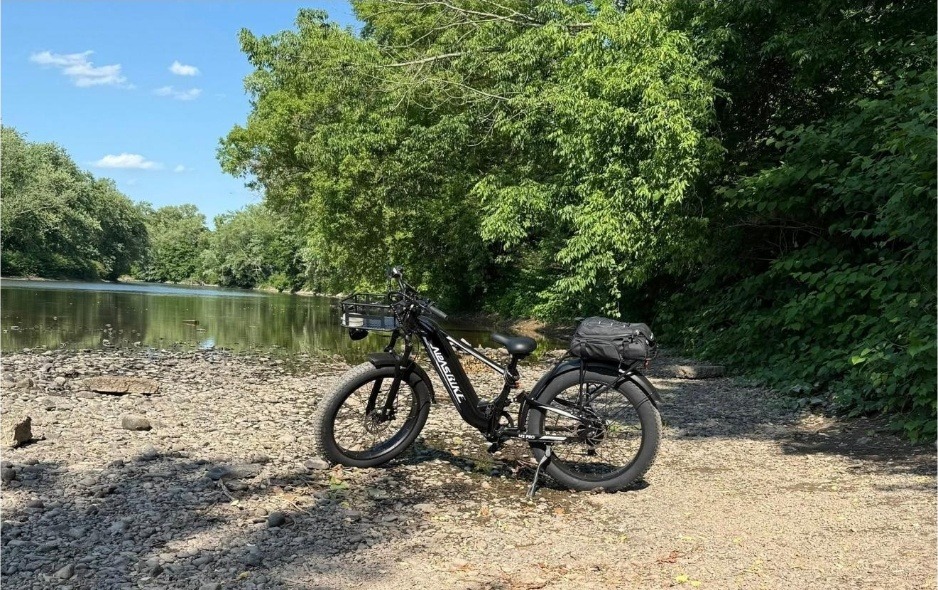
Narrower tires can feel efficient on smooth roads. Wider tires can offer more contact with the ground, which may help riders feel more stable on rough pavement, gravel, sand, snow, or mixed terrain. This is one reason fat tire ebikes are often considered by riders who want more confidence across varied surfaces.
Fat tires are not only for extreme off-road riding. For many consumers, the value is practical. Wider tires can help absorb small bumps, support more stable handling, and make uneven routes feel less intimidating. Riders who live near parks, beach towns, gravel paths, or poorly maintained roads may find this especially useful.
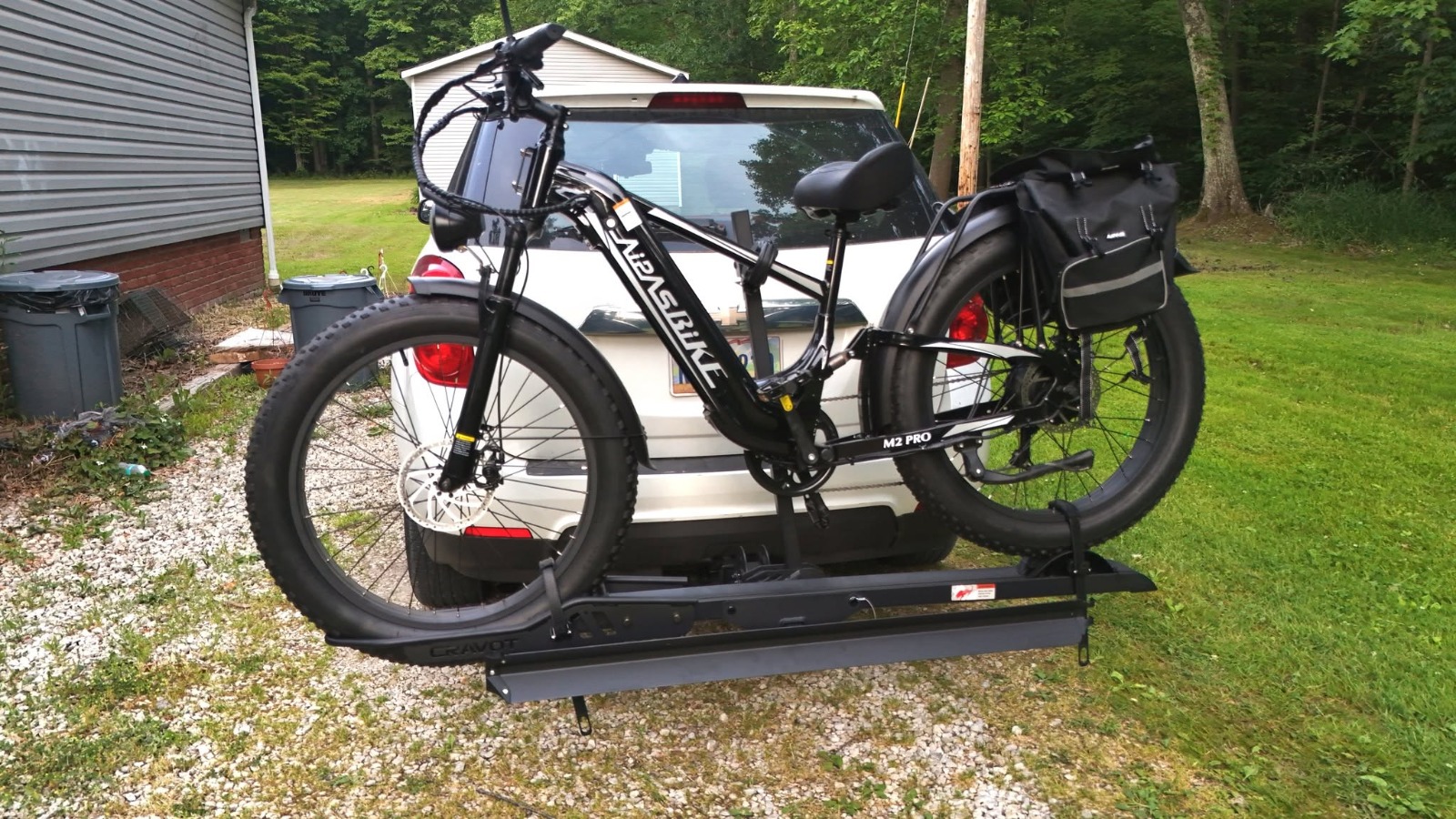
However, tire choice should still match the rider’s needs. A fat tire model may be heavier than a slim commuter bike, so buyers should consider storage, lifting, transport, and where the bike will be used most often.
Braking and Control Are Part of the Technology
Speed and power often get attention, but braking is just as important. An ebike is heavier than a traditional bicycle, and riders may travel at higher assisted speeds. That means braking performance and control matter for safety and confidence.
Hydraulic disc brakes, mechanical disc brakes, tire grip, frame geometry, and suspension setup can all affect how secure the bike feels. Riders who expect hills, rain, cargo, or frequent stop-and-go travel should pay close attention to braking systems.
Good control is not only about stopping quickly. It is about predictable handling. A bike should feel stable when turning, slowing down, riding over uneven ground, or carrying extra weight. For many consumers, comfort and control will matter more in daily life than top speed.
Comfort Affects Whether the Bike Gets Used
An ebike can have strong specifications but still be a poor choice if it is uncomfortable. Seat position, handlebar height, frame style, suspension, tire setup, and overall geometry all affect whether riders enjoy using the bike regularly.
This matters because an ebike is often purchased for repeated use: commuting, errands, weekend rides, or local travel. If the bike feels awkward, too heavy, too tall, or uncomfortable after a few miles, it may not become part of the rider’s routine.
Brands such as Aipas offer different ebike styles for commuting, folding storage, fat tire riding, and everyday adult use, giving riders more ways to compare models based on comfort, terrain, storage, and route needs.
Before buying, consumers should think beyond the first ride. They should ask whether the bike fits the way they plan to use it week after week.
Matching Technology to Real Use
The best ebike is not always the most powerful model or the one with the longest advertised range. It is the one whose technology matches the rider’s real conditions.
A city commuter may need efficient range, lights, fenders, and easy handling. A rider in a rough-road area may need wider tires and stronger braking. Someone carrying groceries may need a stable frame and rack compatibility. A weekend rider may care about comfort and terrain flexibility.
Consumers should compare specifications, but they should also translate those specifications into real questions:
Will the battery cover my normal route?
Will the motor help on the hills I actually ride?
Will the tires match the roads and paths near me?
Can I store and handle the bike comfortably?
Does the braking system fit my riding conditions?
A Smarter Buying Decision
As ebikes become more popular, consumers have more choices than ever. That is useful, but it also makes buying decisions more complex. Battery size, motor support, tire width, braking systems, and frame design all shape how the bike performs after purchase.
The smartest approach is to begin with real riding conditions. Instead of choosing based only on specifications, buyers should think about distance, terrain, comfort, storage, and daily habits.
When the technology fits the rider’s actual lifestyle, an ebike becomes more than a gadget. It becomes a practical transportation tool that can support short trips, mixed surfaces, and everyday movement with greater confidence.