Every morning, millions of Ugandans start their engines and brace for the same quiet anxiety: how far will this tank take me, and what will the next fill-up cost? For fleet managers running dozens of vehicles, the arithmetic is even grimmer. But Vitorra launched a device small enough to fit in your palm that could cut fuel bills by up to 30 percent, without touching a single engine component.
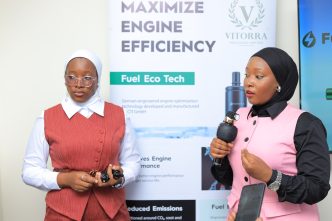
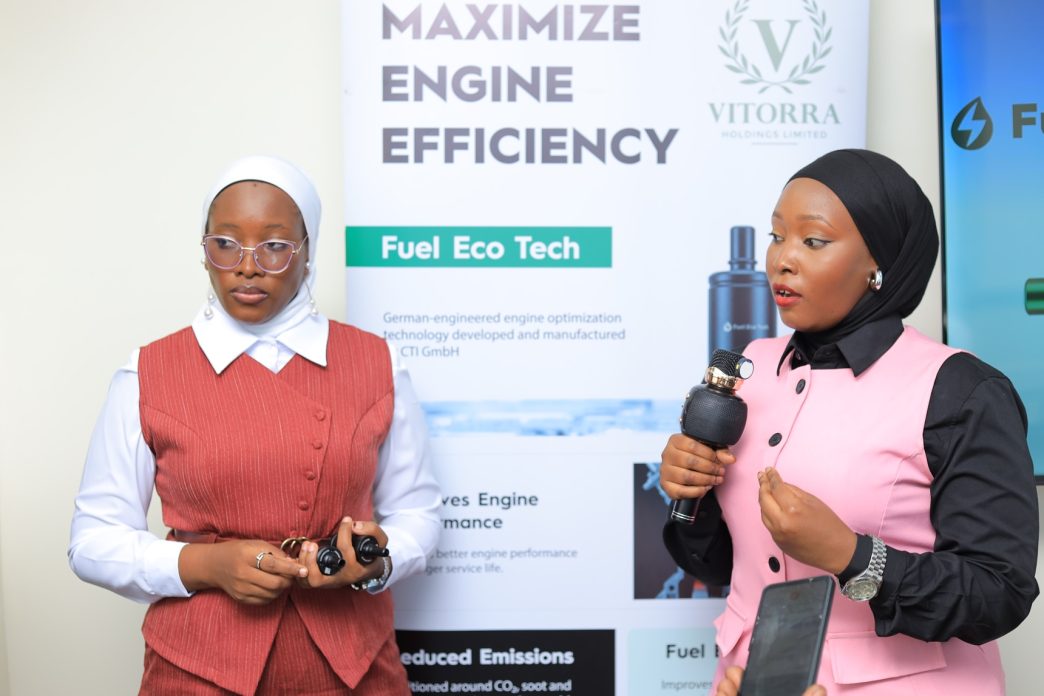
The product is called Fuel Eco Tech (FET), and it is being introduced to the Ugandan market by Vitorra, a Ugandan-based firm positioned at the intersection of African enterprise and global innovation. Shakira Nagawa, Marketing Manager at Vitorra, described Vitorra as a company “rooted in the hearts of Africa” but oriented toward global opportunity, one committed to identifying internationally tested technologies and delivering them to African markets where they are needed most.
“FET is a technology we are introducing that addresses one of the most pressing challenges in Uganda and Africa at large, fuel,” said Nagawa.
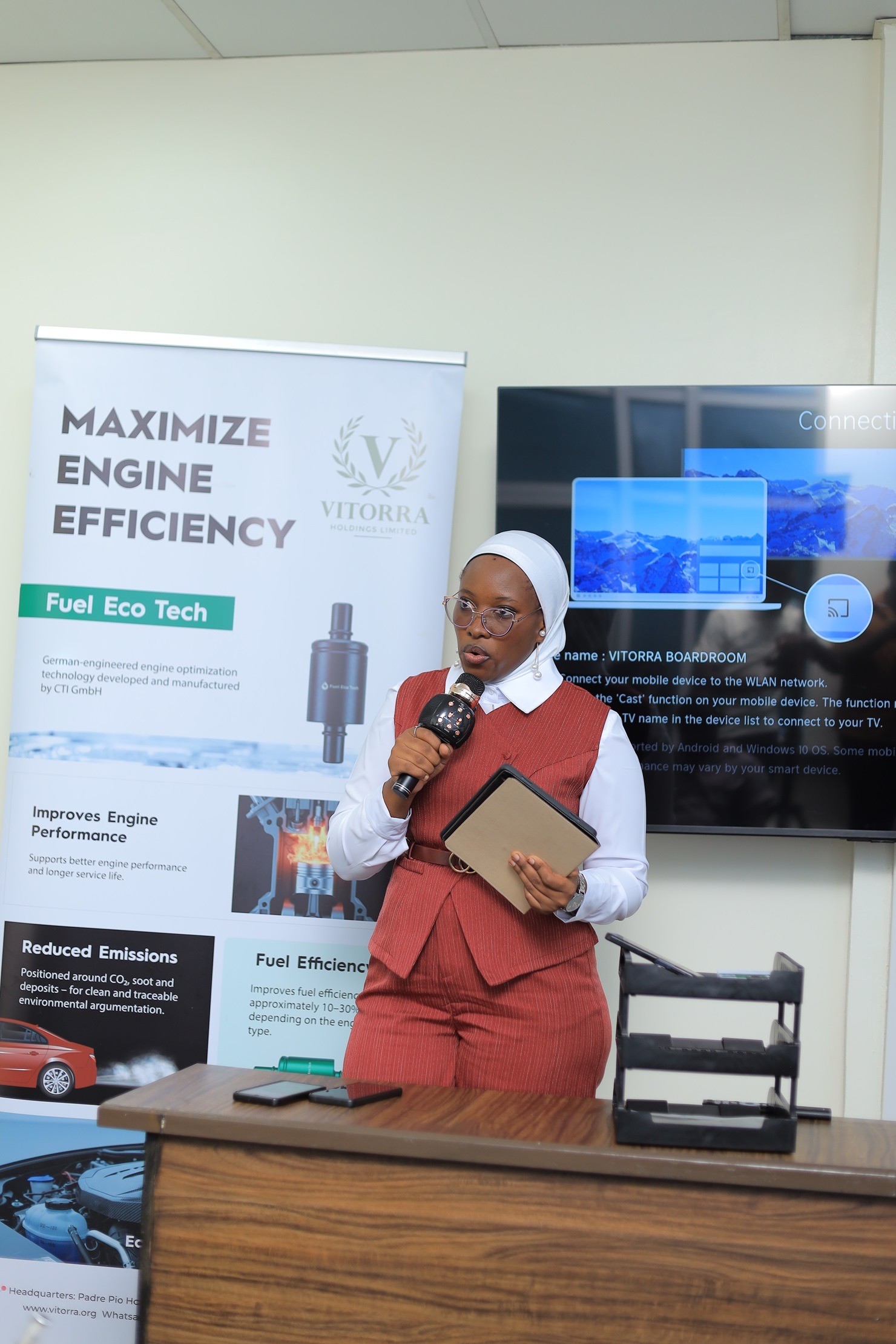
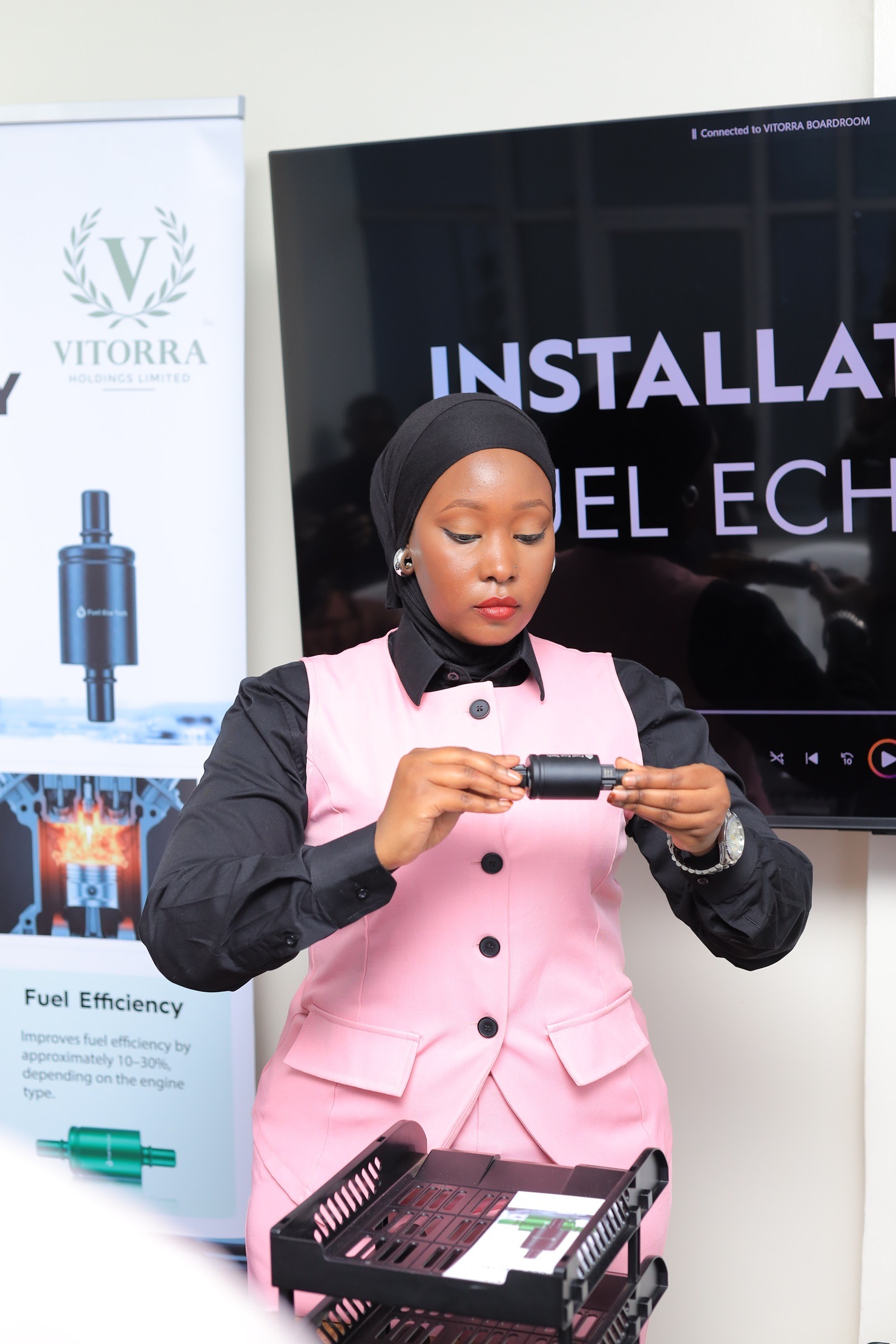
FET is installed along a vehicle’s fuel line, positioned between the high-pressure fuel pump and the fuel filter. Using a combination of nanotechnology and precisely engineered magnetic fields, the device improves the distribution and turbulence of the air-fuel mixture inside the combustion chamber. The result, its developers say, is that oxygen is used more effectively, producing a cleaner, more complete burn.
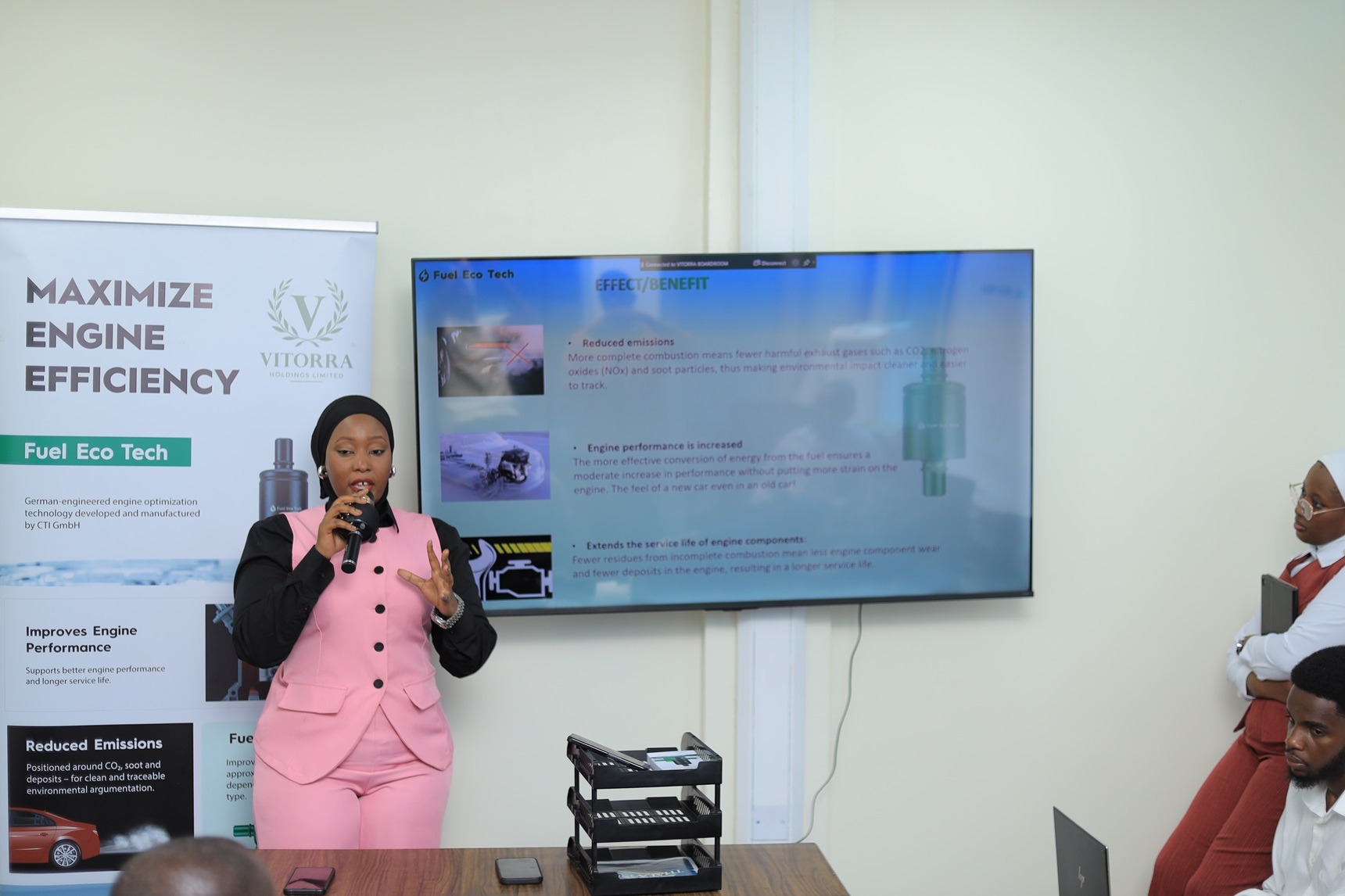
Thurayya Nakayima, Vitorra’s Head of Sales and Marketing, addressed the question that every mechanic and cautious car owner in the room was thinking: Will this interfere with my engine or my vehicle’s computer systems? “It works exclusively on the preparation and swelling of the fuel, without directly intervening in the combustion engine, the control electronics, or exhaust gas after-treatment,” she explained. “No changes in the injection system or engine components are necessary. It is a physical optimization, not a mechanical or electronic intervention.”
Installation takes under an hour. The device is fitted outside the high-pressure fuel system, meaning no factory settings are altered. And critically for a market where vehicles frequently change hands, FET can be removed and transferred to another vehicle entirely.
The promise of fuel savings lands differently depending on who is listening. For an individual motorist, a 10 to 15 percent reduction in consumption is a welcome reprieve. For a company running a fleet of cars or delivery trucks, it could reshape the entire cost structure of the business. Moses Kiboneka, famously known as Uncle Mo, spoke at the event and put the numbers plainly. “The average win is between 10 and 15 percent of how much fuel is saved,” he said. “But I’ve seen some people getting into the 20s and 30s.” He was quick to note that the technology becomes even more compelling for older vehicles, the kind that dominate Uganda’s roads. “Anything before 2018 would be very advisable,” he said. “It’s your way of buying a new car”, without the price tag.
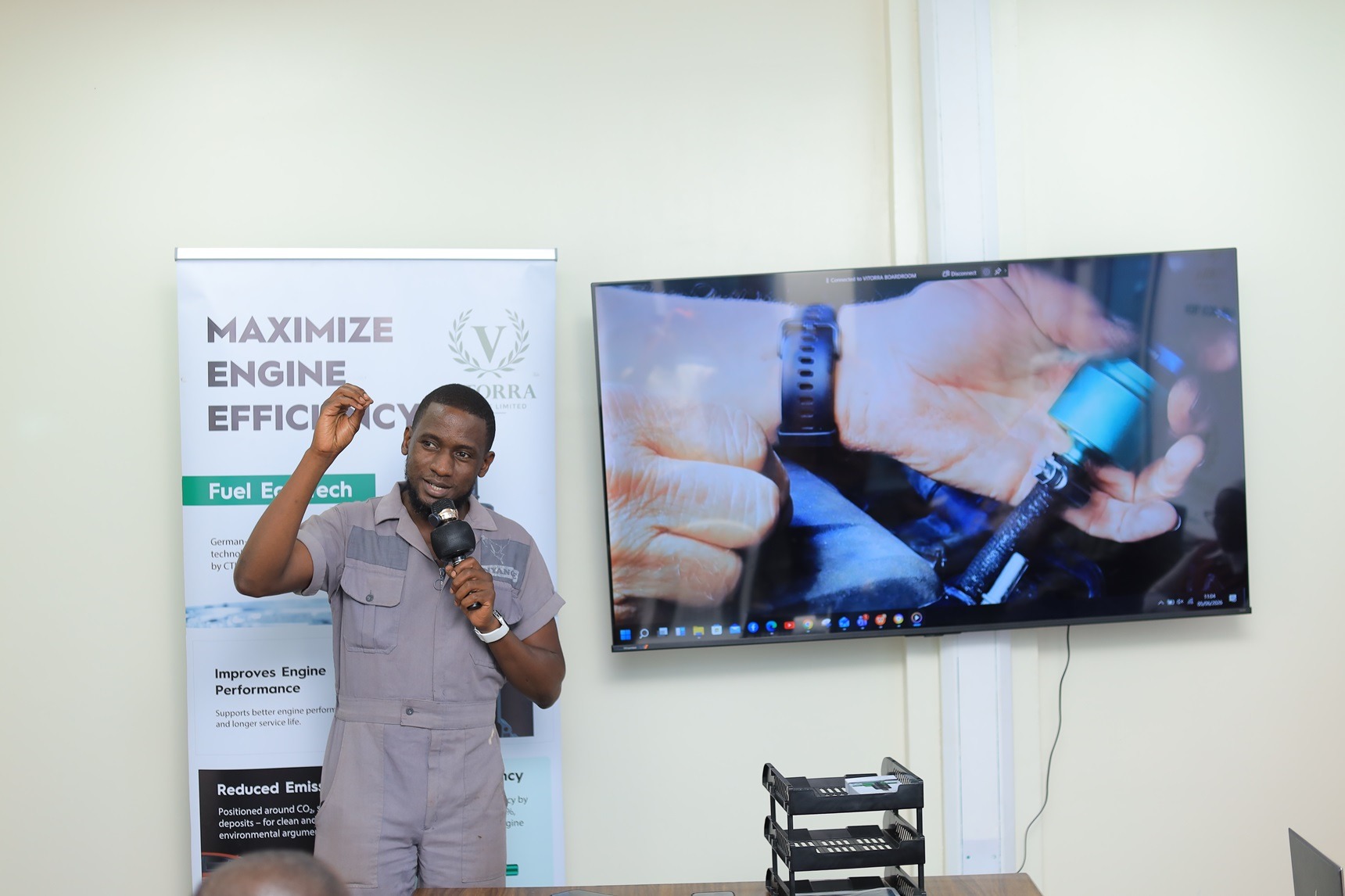
“How about someone doesn’t have to introduce a chemical compound,” Uncle Mo said, “and just introduces technology, magnetism, and makes sure that this keeps balancing out how the fuel and air mix? So that the people of older cars have a newer car’s performance, without having to count how many tablets to drop in the fuel tank.”
His diagnosis of the underlying problem was candid. Incomplete combustion, he explained, doesn’t just waste fuel; it creates carbon buildup that clogs systems, accelerates component wear, and forces vehicles into the garage ahead of schedule. “Wherever you have a collection of combustion residue, what you have coming up is a clogged system,” he said. “The car can’t move as it wants to move, and you’ll have to come to the garage earlier than expected.” FET, according to Vitorra, directly addresses this chain of inefficiency. Cleaner combustion means fewer carbon deposits, less wear on engine components, and longer service intervals, translating to cost savings that compound well beyond the fuel pump.
Vitorra is not pitching FET as a niche product for premium car owners. The technology is designed to work across passenger vehicles, commercial trucks, buses, agricultural machinery, construction vehicles, and even generators, a range that maps neatly onto Uganda’s most fuel-dependent sectors: logistics, farming, public transport, and government fleets. For schools running bus fleets, or agricultural enterprises burning diesel across hundreds of hectares, the value proposition is the same: reduce fuel costs, extend equipment lifespan, and do less environmental damage in the process.
Scepticism is a reasonable response to any product promising to improve on the internal combustion engine, and Vitorra appeared prepared for it. FET carries ISO 9001:2015 quality management certification, has been validated by AVL, the world’s largest company for testing internal combustion engines, and is covered by Zurich product liability insurance. The technology was developed and field-tested in Germany for over six years before arriving on the market. Unlike premium fuel brands that achieve better combustion through proprietary chemical additives, products that consumers must keep buying, FET is a one-time installation.
Whether FET delivers at scale will ultimately be judged on Kampala’s roads and in the logbooks of the fleet managers who take the bet. But in a city where fuel costs are both a personal burden and a business crisis, Vitorra’s timing, and its argument, is difficult to dismiss. “We believe Africa’s future will be shaped by organisations that embrace innovation while solving real-world problems,” Nagawa said. “This is one of those innovations.”