
Large companies face a massive challenge with remote work setups. Teams sit in different time zones, separate offices, and various countries. Standard video calls often fail to spark creative energy during weekly meetings. Workers look at static screens without feeling connected to their colleagues.
Shared digital workspaces offer a practical solution to this communication gap. They give every participant a clear way to share thoughts instantly. Big organizations see positive results when they adopt these collaborative platforms. The entire workflow becomes much smoother for everyone involved.
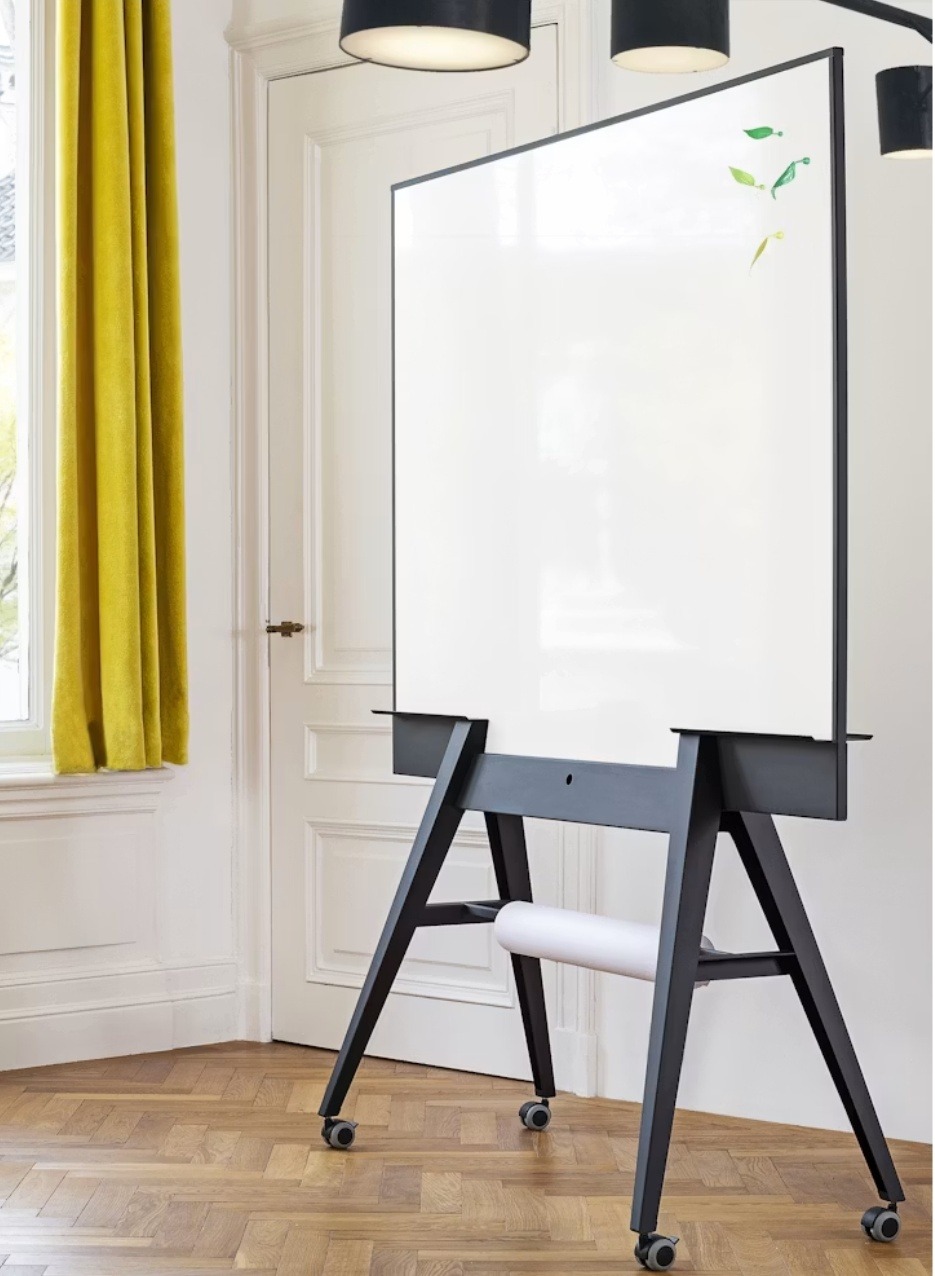
https://unsplash.com/photos/a-white-board-sitting-on-top-of-a-wooden-floor-FYFKBiWLq88
The Shift To Digital Collaboration
Modern workplaces require tools that keep everyone connected throughout the day. If you take a look at different Lucidspark features, you’ll see many ways that whiteboards help project managers map out workflows without friction. This setup allows workers to log in from anywhere and see updates live. Teams no longer waste time waiting for email updates.
Traditional physical boards restrict participation to people present in the room. Digital alternatives remove these location limits completely. Every employee gets an equal voice during planning sessions. Remote workers contribute just as much as local office staff.
Managers can set clear agendas before the session even begins. Attendees arrive ready to contribute specific action items to the board. This preparation makes meetings shorter and far more productive. Companies save hours of wasted meeting time every single week.
Aligning Distributed Teams Instantly
Miscommunication costs large corporations a lot of money every year. People often misunderstand text notes or long, confusing email chains. Visual sketches clear up confusion much faster than written paragraphs. A single image can align 20 different people in a single moment.
Teams can color-code their ideas to stay organized during large meetings. Grouping thoughts by department keeps the main company goals clear. This structure prevents people from repeating the same points. Everyone sees exactly what tasks require immediate attention.
Remote employees feel more connected when they see their peers drawing live. The canvas acts as a central meeting point for global teams. It replaces the natural office interaction that people miss when working from home. Collaboration becomes a natural part of the daily routine.
Gathering Online Assets In One Space
Brainstorming requires team members to look at various pieces of information. A report published by a federal environmental agency explained that digital boards help groups compile online resources and interpret them in a consistent way. This method offers clear guidance to local organizations working on the ground. Leaders can coordinate complex strategies across different regions.
Users can drop links, images, and documents directly onto the shared canvas. Scattered files no longer slow down the executive decision process. Everything stays in one viewable location for the entire project group. Staff members access critical data without searching through old folders.
This centralized approach saves hours during long research phases. People find what they need without switching between multiple browser tabs. Efficiency improves across the entire department very quickly. Teams finish their projects ahead of schedule.
Driving Creative Ideation Across Sectors
Corporate innovation requires input from many different departments. A study in a medical journal showed that deliberate dialogues with diverse stakeholders helped identify local champions and build connections across sectors. These structured activities successfully sparked creative ideation among participants. Complex organizations use this method to solve tough institutional problems.
Bringing different voices together prevents isolated thinking patterns within a business. Finance experts can comment on design ideas immediately. Operations managers can point out supply constraints early in the planning stage. The entire company works together toward a unified vision.
This open discussion reduces expensive errors during product development cycles. Teams catch major flaws before spending money on physical prototypes. The company saves valuable resources by planning smart from the beginning. Profit margins grow from this cooperative teamwork.
Visual Tools Help Simplify Complex Data
Large datasets often overwhelm average staff members during corporate presentations. Complex spreadsheets look confusing when displayed on a shared video screen. Visual diagrams turn raw numbers into clear, understandable stories. Employees make better decisions when they see the big picture.
Simple shapes help represent distinct parts of a corporate plan:
- Rectangles show standard operational steps.
- Ovals represent the start and end points of a process.
- Arrows indicate the direction of the work flow.
Employees grasp the main points within 2 or 3 seconds of looking at the chart. They do not need advanced technical training to follow the logic. Communication becomes accessible to everyone in the company. Teams execute strategies with higher confidence levels.
Transforming Feedback Loops For Large Scale Projects
Reviewing project plans often takes weeks of back-and-forth communication. Managers leave comments on text files that other team members easily miss. Virtual whiteboards speed up this review process significantly. Feedback becomes a transparent conversation instead of a chore.
Participants use specific elements to give clear feedback:
- Digital sticky notes hold brief written suggestions.
- Voting buttons show which ideas have the most support.
- Colored tags sort comments by priority level.
Organizers see patterns in the feedback immediately. They know which areas need more work right away. Projects move to the next phase without unnecessary delays. Clients get their deliverables much faster than before.
Breaking Communication Barriers In Real Time
Shy employees often hesitate to speak during large video meetings. Loud voices tend to dominate oral discussions completely. Digital boards create a more balanced environment for everyone. Every team member has an equal opportunity to leave their mark.
Writing anonymous thoughts allows workers to share risky ideas without fear of judgment. This freedom leads to better problem-solving options for the firm. The company benefits from hidden insights that usually go unheard. Innovation thrives when people feel safe to experiment.
Introverted team members contribute just as much as extroverted ones. The emphasis shifts from who speaks loudest to the actual quality of the concepts. Better ideas win when the playing field is completely flat. Leaders discover great talent through these interactive boards.
Building Long-Term Knowledge Repositories
Physical whiteboards get erased at the end of a typical meeting. People lose valuable ideas if someone forgets to take a quick photo. Digital workspaces save every single mark automatically. Nothing gets lost in transition after the meeting ends.
New hires can view old boards to understand past corporate decisions. They see the exact steps the team took months ago. This history makes onboarding much smoother for fresh talent. New employees feel productive in a short amount of time.
The company builds a valuable archive of its intellectual property as the years pass. Leaders reference these past boards when planning future marketing campaigns. This smart practice prevents teams from repeating old mistakes. The organization retains its best ideas forever.

https://pixabay.com/photos/armchairs-business-meeting-6657308/
Enterprise brainstorming requires modern tools to handle complex remote work setups. Digital canvases provide the exact structure that large corporations need. They turn chaotic discussions into organized action plans very quickly. Teams collaborate without losing their creative spark.
Adopting these visual platforms helps companies maintain a strong competitive edge. Teams stay aligned and creative regardless of physical distance. The future of corporate collaboration relies heavily on these shared digital spaces. Businesses that change their habits now will lead their industries tomorrow.