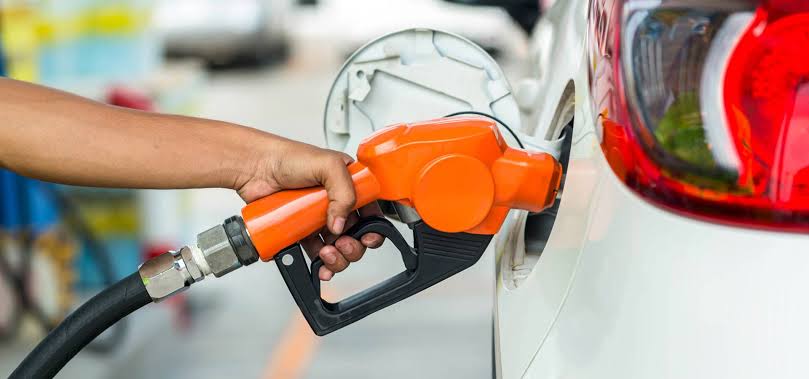
Fuel efficiency has become one of the most important concerns for modern drivers, especially as fuel prices fluctuate and environmental awareness continues to grow. While many people focus on driving habits or vehicle type when trying to save fuel, regular car servicing plays an equally important role in improving mileage and reducing unnecessary fuel consumption. A well-maintained vehicle operates more efficiently, uses fuel more effectively, and experiences fewer mechanical issues that can drain performance over time. Routine maintenance ensures that every component of the engine and supporting systems works in harmony. For drivers seeking reliable maintenance solutions, services such as best car service in Temple, TX highlight how professional care can directly contribute to better fuel economy and long-term vehicle performance.
This article explains how car service helps improve fuel efficiency and why consistent maintenance is essential for every vehicle owner.
Engine Health and Efficient Combustion
The engine is the heart of any vehicle, and its condition directly affects fuel consumption. When an engine is clean and well-maintained, it burns fuel more efficiently, producing the right balance of power and energy output.
Over time, dirt, carbon deposits, and worn components can disrupt the combustion process. This leads to incomplete fuel burning, which wastes fuel and reduces mileage. Regular servicing includes cleaning fuel injectors, inspecting spark plugs, and ensuring proper air-fuel mixture ratios.
Spark plugs, for example, play a critical role in igniting fuel. If they are worn or dirty, the engine may misfire or consume more fuel than necessary. Replacing them during routine service helps restore efficient combustion and improves overall fuel economy.
Air Filter Maintenance and Engine Breathing
An engine requires a steady flow of clean air to operate efficiently. The air filter ensures that dust, debris, and contaminants do not enter the engine. However, when the air filter becomes clogged, airflow is restricted.
Restricted airflow forces the engine to work harder, which increases fuel consumption. During routine car service, technicians inspect and replace air filters as needed to maintain optimal airflow.
A clean air filter improves combustion efficiency by allowing the correct amount of oxygen into the engine. This balance helps fuel burn more completely, resulting in better mileage and smoother engine performance.
Fuel System Cleaning and Injector Efficiency
The fuel system is responsible for delivering fuel from the tank to the engine. Over time, fuel injectors can become clogged with deposits, reducing their ability to spray fuel evenly and efficiently.
When injectors are dirty, fuel distribution becomes uneven, leading to poor combustion and wasted fuel. Professional car service includes fuel system cleaning, which removes these deposits and restores injector performance.
Clean injectors ensure that fuel is atomized properly, allowing it to mix efficiently with air. This results in smoother acceleration, improved engine response, and better fuel economy overall.
Oil Changes and Engine Friction Reduction
Engine oil plays a crucial role in reducing friction between moving parts. When oil is clean and at the correct level, it allows components to move smoothly with minimal resistance.
However, old or degraded oil becomes thick and less effective, increasing friction within the engine. This added resistance forces the engine to consume more fuel to maintain performance.
Regular oil changes during car service help maintain proper lubrication. Fresh oil reduces internal friction, improves engine efficiency, and helps the vehicle use fuel more effectively.
Using the manufacturer-recommended oil type also ensures optimal performance and contributes to long-term fuel savings.
Tire Condition and Rolling Resistance
Tires have a significant impact on fuel efficiency because they affect rolling resistance—the amount of effort required for a vehicle to move forward.
Underinflated tires increase rolling resistance, forcing the engine to burn more fuel. Overinflated or unevenly worn tires can also negatively affect handling and efficiency.
During car service, technicians check tire pressure, alignment, and tread condition. Properly inflated and well-aligned tires reduce resistance and improve fuel economy.
Wheel alignment is especially important because misaligned wheels create drag, making the engine work harder. Correct alignment ensures smoother movement and better fuel usage.
Brake System Efficiency and Drag Reduction
A poorly maintained brake system can also impact fuel efficiency. When brake components become worn or stuck, they may create unnecessary friction even when the brakes are not actively engaged.
This condition, known as brake drag, forces the engine to work harder to overcome resistance. Regular servicing ensures that brake pads, calipers, and rotors are functioning properly.
Lubricating and adjusting brake components during service helps eliminate unnecessary drag. This not only improves safety but also contributes to better fuel efficiency.
Transmission Maintenance and Power Delivery
The transmission system is responsible for transferring engine power to the wheels. If it is not properly maintained, it can lead to inefficient power delivery and increased fuel consumption.
Low or degraded transmission fluid can cause gear shifting problems and reduce overall efficiency. During service, technicians check fluid levels, replace old fluid, and inspect transmission components.
A well-maintained transmission ensures smooth gear shifts and optimal power distribution. This reduces strain on the engine and helps maintain consistent fuel efficiency.
Sensor Calibration and Engine Management Systems
Modern vehicles rely heavily on electronic sensors to manage fuel injection, air intake, and engine performance. These sensors help the engine control unit (ECU) adjust fuel usage based on driving conditions.
If sensors become faulty or miscalibrated, the engine may receive incorrect data, leading to inefficient fuel usage. For example, a malfunctioning oxygen sensor can cause the engine to burn more fuel than necessary.
During car service, technicians diagnose and recalibrate sensors to ensure accurate readings. This allows the ECU to optimize fuel-air mixtures and improve overall efficiency.
Exhaust System Maintenance and Emission Control
The exhaust system plays a role in maintaining fuel efficiency by ensuring proper engine airflow and emission control. A blocked or damaged exhaust system can restrict airflow, leading to reduced engine performance.
Components such as the catalytic converter and oxygen sensors must function properly to maintain efficiency. Regular servicing ensures that the exhaust system remains clean and free of blockages.
A healthy exhaust system supports better combustion, reduces emissions, and helps the engine operate more efficiently.
Driving Performance and Preventive Maintenance
Car service not only fixes existing issues but also prevents future problems that can affect fuel efficiency. Preventive maintenance ensures that small issues are identified and corrected before they become major repairs.
For example, replacing worn belts, tightening loose components, and updating fluids all contribute to smoother vehicle operation. A well-maintained car experiences fewer performance drops and maintains consistent fuel economy over time.
Preventive care also helps drivers avoid sudden breakdowns, which can lead to inefficient fuel usage and costly repairs.
Conclusion
Regular car servicing is one of the most effective ways to improve fuel efficiency and extend the life of a vehicle. From engine maintenance and air filter replacement to tire care and transmission servicing, every aspect of maintenance plays a role in optimizing fuel consumption.
When a vehicle is properly maintained, it operates more smoothly, burns fuel more efficiently, and delivers better overall performance. Drivers who prioritize routine servicing not only save money on fuel but also enjoy a safer, more reliable driving experience. Ultimately, consistent car care ensures that every journey is more efficient, cost-effective, and environmentally responsible.