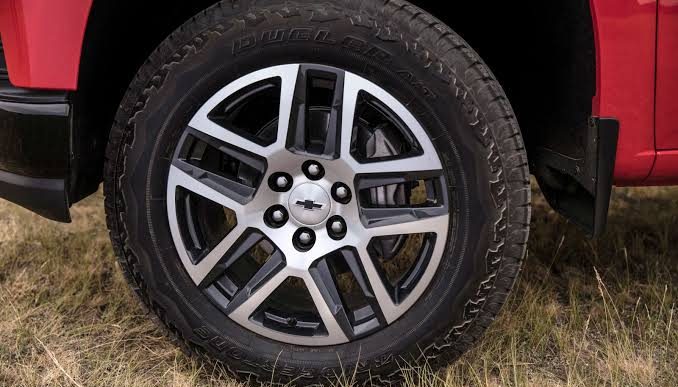

Visiting a Chevrolet dealer is an exciting step for anyone in the market for a new or pre-owned vehicle. While online research provides a helpful starting point, nothing replaces the real-world experience of getting behind the wheel. A test drive allows buyers to evaluate comfort, performance, and features in a way that specifications alone cannot fully convey. Whether you are comparing trims, assessing ride quality, or checking technology usability, a test drive brings clarity to the decision-making process. It is also during this stage that many buyers realize subtle differences between models that were not obvious during online browsing. In some cases, even details like dealership service offerings—such as Chevrolet tires Woodward—help customers better understand the full ownership experience and available support beyond the showroom floor.
This article explores why test drives are so important when visiting a Chevrolet dealer and how they help ensure buyers make confident, informed choices.
Understanding the True Driving Experience
A vehicle may look perfect on paper, but its true value becomes clear only when driven. Test drives give customers a firsthand understanding of how a Chevrolet model behaves on real roads.
During a test drive, buyers can evaluate acceleration, braking responsiveness, and steering precision. These elements are essential for understanding how the vehicle performs in everyday driving situations such as city traffic, highway cruising, or rough road conditions. Even small differences in suspension tuning or engine responsiveness can significantly affect long-term satisfaction.
Additionally, Chevrolet vehicles often come with various engine and drivetrain configurations. A test drive allows customers to compare these options directly, helping them identify which setup best matches their driving style.
Evaluating Comfort and Interior Quality
Comfort is one of the most important factors when choosing a vehicle, especially for families and daily commuters. A test drive provides the opportunity to assess seat comfort, cabin space, and ergonomic design.
Buyers can check whether the seating position feels natural, whether there is sufficient legroom and headroom, and whether visibility is adequate. These factors are difficult to judge from photos or specifications alone.
Interior materials also become more noticeable during a test drive. Touching surfaces, adjusting seats, and using controls allow buyers to evaluate build quality and design consistency. Chevrolet models are known for offering a range of interior finishes depending on trim level, and a test drive helps highlight these differences in a practical way.
Testing Technology and Infotainment Systems
Modern Chevrolet vehicles are equipped with advanced infotainment systems, driver-assistance technologies, and connectivity features. However, understanding how intuitive these systems are requires hands-on interaction.
During a test drive, buyers can explore touchscreen responsiveness, voice command functionality, and smartphone integration features such as Apple CarPlay or Android Auto. This ensures that drivers are comfortable using the system without distraction.
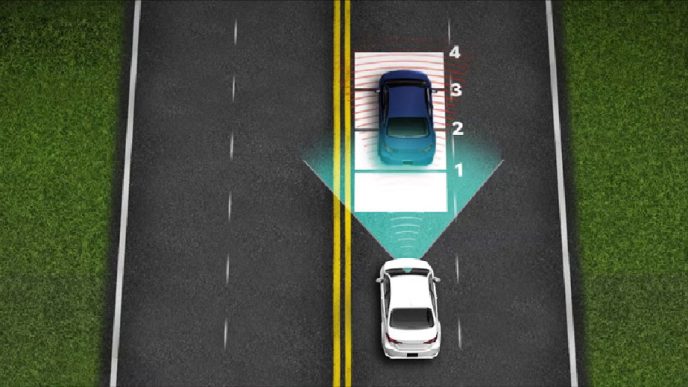
Safety technology is another critical area to test. Features like lane-keeping assist, adaptive cruise control, blind-spot monitoring, and automatic emergency braking should be experienced in real conditions whenever possible. A test drive allows customers to see how these systems behave in real time and whether they enhance confidence behind the wheel.
Assessing Ride Quality and Handling
Ride quality plays a major role in long-term satisfaction with any vehicle. A test drive helps buyers determine whether the suspension system delivers the right balance between comfort and control.
Some Chevrolet models are tuned for smooth highway driving, while others are designed for sportier handling or off-road capability. Experiencing these differences firsthand helps buyers choose a vehicle that aligns with their expectations.
Handling is equally important. Steering response, cornering stability, and overall vehicle balance become more apparent during turns, lane changes, and varying speeds. A well-executed test drive route typically includes a mix of road types to highlight these characteristics.
Comparing Different Models and Trims
One of the biggest advantages of visiting a Chevrolet dealer in person is the ability to test multiple models and trims back-to-back. This comparison helps clarify subtle differences that may not be obvious from online descriptions.
For example, two trims of the same Chevrolet SUV may differ in suspension tuning, seating materials, or technology packages. Driving both versions helps buyers determine whether the added features of a higher trim justify the additional cost.
Similarly, comparing sedans, SUVs, and trucks during test drives allows customers to identify which body style best suits their lifestyle. Whether prioritizing fuel efficiency, cargo space, or towing capability, hands-on comparison is essential.
Understanding Real-World Practicality
A test drive also reveals how practical a vehicle is for everyday use. This includes evaluating cargo space accessibility, ease of parking, turning radius, and visibility in tight spaces.
For example, SUV buyers may want to test how easily the rear seats fold down or how much storage space is available with all seats in use. Truck buyers might assess bed accessibility and towing feel during acceleration and braking.
Even small details such as cupholder placement, storage compartments, and control layout can influence daily convenience. A short drive often uncovers practical insights that significantly impact long-term satisfaction.
Building Confidence in Your Purchase Decision
Buying a vehicle is a major financial commitment, and uncertainty can lead to hesitation or regret. A test drive reduces this uncertainty by providing real-world reassurance.
When buyers feel comfortable and confident during a test drive, they are more likely to make a decisive purchase. Conversely, if something feels off—such as seat discomfort or underwhelming performance—it becomes easier to adjust expectations or explore alternative models.
This emotional clarity is one of the most valuable outcomes of a test drive. It transforms abstract research into a personal experience, making the final decision more grounded and informed.
The Role of Dealership Guidance
Chevrolet dealers play an important role in structuring effective test drives. Sales professionals often guide customers through vehicle features, suggest comparison models, and design routes that highlight key performance aspects.
This guidance ensures that buyers experience the most relevant aspects of each vehicle. For instance, a dealer might choose a route with highway segments, city traffic, and uneven roads to showcase versatility.
Dealerships also provide opportunities to ask questions in real time, ensuring that customers fully understand what they are experiencing. This interactive learning process enhances the value of the test drive significantly.
Conclusion
Test drives are a critical step in the vehicle buying journey, especially when visiting a Chevrolet dealer. They provide firsthand insight into performance, comfort, technology, and practicality that cannot be fully understood through research alone. By experiencing different models and trims in real-world conditions, buyers gain the confidence needed to make informed decisions.
From evaluating ride quality to testing advanced features, every moment behind the wheel contributes to a clearer understanding of what a vehicle truly offers. Combined with dealership support and expert guidance, the test drive becomes the foundation of a successful purchase experience. Ultimately, taking the time to test drive ensures that the chosen Chevrolet not only meets expectations but enhances the driving experience for years to come.