Choosing the right packaging is one of the most important decisions for grain producers, processors, distributors, and food manufacturers. Grain is durable, but it is not indestructible. Moisture, pests, oxygen, temperature swings, poor handling, and contamination can all reduce quality before the product reaches its destination. That is why understanding the best bulk grain packaging options matters for anyone storing, shipping, or selling large quantities of grain.
The ideal packaging depends on the type of grain, shipment size, storage conditions, transportation method, food safety requirements, and customer expectations. Some operations need cost-effective storage for short-term transport, while others need durable, food-grade packaging for long-distance distribution. The best choice is the one that protects product quality, supports efficient handling, and fits the realities of your supply chain.
Why Bulk Grain Packaging Matters
Bulk grain packaging does more than hold product. It protects the value of the grain from farm to processor, warehouse, retailer, or end user. Poor packaging can lead to product loss, customer complaints, safety concerns, and higher operating costs.
Effective grain packaging helps protect against:
- Moisture absorption
- Mold growth
- Insect activity
- Rodent exposure
- Dust and foreign material
- Product spillage
- Odor transfer
- Physical damage during transport
- Cross-contamination from other products
Packaging also affects branding, stacking efficiency, warehouse organization, regulatory compliance, and customer convenience. For food-grade grain, packaging must also support traceability and sanitary handling.
Key Factors to Consider Before Choosing Packaging
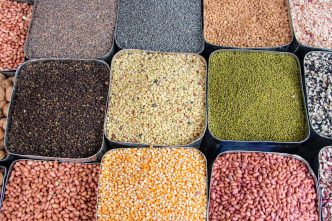
Before selecting a packaging format, it helps to review the grain’s characteristics and the supply chain it will move through. Corn, wheat, rice, oats, barley, rye, millet, sorghum, and specialty grains may have different storage and handling needs.
Important factors include:
- Volume: Are you shipping a few hundred pounds, several tons, or full truckload quantities?
- Moisture sensitivity: Will the grain need added moisture protection?
- Shelf life: Will it be stored for weeks, months, or longer?
- Food-grade requirements: Does the packaging need to meet strict sanitary standards?
- Handling method: Will forklifts, pallet jacks, conveyors, or manual labor be used?
- Transportation mode: Will the grain move by truck, rail, ship, or container?
- Customer use: Will buyers need packaging that is resealable, easy to empty, or ready for processing?
- Sustainability goals: Is recyclable, reusable, or lower-waste packaging a priority?
The best bulk grain packaging options balance protection, cost, convenience, and compliance.
Flexible Intermediate Bulk Containers
Flexible intermediate bulk containers, often called FIBCs or bulk bags, are among the most popular choices for bulk grain packaging. These large woven polypropylene bags are designed to hold significant quantities of dry products and are commonly used for grains, seeds, flour, feed ingredients, and agricultural commodities.
FIBCs are popular because they are:
- Lightweight compared with rigid containers
- Strong enough for heavy loads
- Stackable when filled properly
- Compatible with forklifts and cranes
- Available in food-grade materials
- Customizable with liners, spouts, loops, and labels
Bulk bags are especially useful for grain processors and distributors that need a practical packaging format between small retail bags and loose bulk transport. They are easier to handle than many rigid containers and can often be customized to fit discharge equipment.
Common FIBC features include lift loops, top fill spouts, duffle tops, flat bottoms, discharge spouts, dust-control options, and internal liners. For food-grade grains, buyers should look for bags made in clean production environments with documentation that supports food safety programs.
Polywoven Bags
Polywoven bags are another common packaging option for dry grains. These bags are made from woven polypropylene and are often used for products sold in 25-pound, 50-pound, or 100-pound formats. While they are smaller than FIBCs, they are still useful for bulk buying, wholesale distribution, and institutional food service.
Polywoven bags offer several advantages:
- Good tear resistance
- Lower cost than many specialty packaging formats
- Lightweight handling
- Printability for branding and product details
- Compatibility with palletized distribution
They are a strong choice for grain products that need durability without the size of a full bulk bag. However, polywoven bags may need liners or coatings if moisture protection is a priority. They are also less convenient for fully automated bulk handling than FIBCs or totes.
Paper Bags and Multiwall Paper Sacks
Multiwall paper sacks are widely used for food ingredients, milled grains, flour, and specialty grain products. They are made with multiple layers of paper and may include a moisture barrier, film liner, or treated layer depending on the product’s needs.
Paper sacks are often selected when presentation, sustainability, or food-grade packaging is important. They are common in bakery, milling, and specialty food supply chains.
Benefits of multiwall paper sacks include:
- Strong shelf presentation
- Good print quality for branding
- Available food-grade options
- Easier disposal or recycling in some markets
- Suitable for flour, meal, and processed grain ingredients
The main limitation is moisture vulnerability. Unless they include barrier layers, paper sacks may not be the best fit for humid conditions, long-term storage, or rough outdoor handling.
Plastic Pails and Drums
Plastic pails and drums are useful when grain needs stronger protection from moisture, pests, and physical damage. They are often used for smaller bulk quantities, specialty grains, emergency food storage, seed products, or high-value ingredients.
Rigid plastic containers can provide:
- Strong moisture resistance
- Better pest protection than bags
- Stackable storage
- Reclosable lids
- Durable handling
- Longer-term product protection
The downside is cost. Plastic pails and drums are more expensive per pound of grain packaged, and they require more storage space when empty. They are usually best for premium products, sensitive ingredients, or customers who value resealable packaging.
Fiber Drums
Fiber drums are cylindrical containers made from heavy-duty fiberboard, often with metal or plastic rims and lids. They are sometimes used for food ingredients, powders, seeds, and specialty grains. They provide more structure than bags while being lighter than many plastic or metal drums.
Fiber drums can be a good choice when a product needs a cleaner presentation, better crush resistance, or easier stacking than bagged formats. They may also be useful for export shipments or specialty grain ingredients that need added protection.
However, fiber drums are not always the most economical choice for commodity grains. They are better suited for higher-value products or situations where packaging appearance and protection justify the added cost.
Grain Totes and Rigid Bins
Reusable totes and rigid bins are common in closed-loop supply chains where containers can be returned, cleaned, and reused. These packaging systems work well for processors, mills, farms, and manufacturers that move grain repeatedly between known locations.
Benefits of totes and rigid bins include:
- Reusability
- Strong product protection
- Efficient handling with forklifts
- Reduced packaging waste over time
- Compatibility with some automated systems
- Better organization in warehouses
The main challenge is logistics. Reusable containers must be tracked, returned, cleaned, and maintained. They may not be practical for one-way shipments or customers that do not have a return program.
Bulk Railcars, Trucks, and Shipping Containers
For very large volumes, grain may be transported loose in bulk trucks, railcars, or shipping containers. This format is efficient for commodity movement, especially when grain is going directly to a processor, mill, elevator, or export terminal.
Loose bulk transport can reduce packaging costs, but it requires specialized equipment and strong sanitation controls. It is not the best choice for every buyer because unloading systems, storage silos, and contamination prevention procedures must be in place.
Bulk transport is often best for:
- Large processors
- Grain elevators
- Exporters
- Feed mills
- Industrial food manufacturers
- High-volume commodity buyers
For specialty grain products, bagged or contained options may be better when traceability, identity preservation, or customer handling convenience is important.
Packaging Liners and Moisture Barriers
No matter which outer package is chosen, liners and barriers can significantly improve grain protection. Liners are commonly used inside bulk bags, boxes, drums, and containers to help protect grain from moisture, dust, and contamination.
Common liner and barrier options include:
- Polyethylene liners
- Foil barrier liners
- Breathable liners
- Anti-static liners
- Food-grade film liners
- Moisture-resistant coatings
The right liner depends on the product and storage environment. A grain stored in a dry warehouse may only need basic protection, while a high-value specialty grain shipped overseas may require a stronger moisture barrier.
Food Safety and Labeling Considerations
Food-grade packaging must support clean handling and proper traceability. Packaging should be made from materials suitable for food contact and stored in a way that prevents contamination before filling.
Labels should clearly communicate important information such as:
- Product name
- Net weight
- Lot number
- Supplier information
- Country of origin, when applicable
- Storage instructions
- Allergen statements, when relevant
- Certifications, such as organic or non-GMO, when applicable
Clear labeling helps customers manage inventory, maintain traceability, and meet their own quality requirements.
FAQ
What are the most common bulk grain packaging options?
The most common options include FIBCs, polywoven bags, multiwall paper sacks, plastic pails, drums, rigid totes, bins, bulk trucks, railcars, and shipping containers.
What is the best packaging for large quantities of grain?
For large but manageable quantities, FIBCs are often the best choice. For very high-volume commodity movement, bulk trucks, railcars, or containers may be more efficient.
Which packaging is best for food-grade grain?
Food-grade FIBCs, lined paper sacks, sealed plastic pails, drums, and sanitary rigid totes can all work well. The best choice depends on the grain type, volume, and handling requirements.
How can grain packaging prevent moisture damage?
Moisture protection can come from sealed plastic packaging, liners, barrier films, coated bags, proper palletizing, and dry storage conditions.
Are bulk bags reusable?
Some bulk bags are designed for single use, while others are rated for multiple uses. Reuse depends on the bag’s design, condition, prior contents, and food safety requirements.
What is the most cost-effective grain packaging?
Loose bulk transport is often most cost-effective for very large volumes. For packaged bulk grain, polywoven bags and FIBCs are usually economical choices.
Is sustainable bulk grain packaging available?
Yes. Options may include reusable totes, recyclable paper sacks, recyclable plastic containers, lightweight packaging, and systems that reduce total packaging waste.
Final Thoughts on Choosing the Right Bulk Grain Packaging
The best bulk grain packaging options depend on product value, shipment size, food safety requirements, storage conditions, and customer needs. FIBCs are one of the most versatile choices for many bulk grain applications, while polywoven bags and paper sacks work well for smaller wholesale quantities. Plastic pails, drums, and fiber drums offer stronger protection for premium or sensitive products. Rigid totes and bins support reusable closed-loop systems, while loose bulk transport is efficient for very large commodity shipments.
A strong packaging strategy should protect the grain, simplify handling, reduce waste, and support customer confidence. By matching the packaging format to the grain and supply chain, businesses can reduce losses, maintain product quality, and deliver a better buying experience.