Agriculture has always depended on careful planning, observation, and timing, but today’s farmers have access to far more than instinct and experience. Data-driven tools are transforming how crops are planned, managed, and harvested, allowing producers to make smarter decisions with greater precision. From soil analysis to predictive analytics, these technologies are helping farms increase yields while reducing waste and operational costs. As adoption grows, crop management software is becoming a central part of modern farming strategies.
The Shift Toward Data-Driven Agriculture
Farming is no longer just about reacting to conditions in the field. It is increasingly about anticipating them. Data-driven agriculture uses information collected from various sources such as sensors, satellites, weather systems, and machinery to guide decisions throughout the growing season.
This shift allows farmers to move from generalized practices to highly targeted strategies. Instead of treating an entire field the same way, data enables growers to manage specific zones based on soil quality, moisture levels, and crop health. This level of precision improves efficiency and leads to better outcomes across the board.
What Is Crop Management Software
Crop management software is a digital platform that helps farmers plan, monitor, and optimize their operations. It serves as a centralized hub where data from multiple sources is collected, analyzed, and presented in an easy-to-understand format.
These platforms often include mapping tools, scheduling features, reporting dashboards, and integrations with other farm technologies. By using crop management software, farmers can track everything from planting dates and irrigation schedules to fertilizer applications and harvest timelines.
Understanding crop management software features explained in practical terms helps highlight how these tools turn raw data into actionable insights. They simplify complex information and make it accessible for everyday decision-making.
Crop Management Software Features Explained
To fully appreciate the value of these tools, it is important to look at crop management software features explained through their real-world applications. One of the most useful features is field mapping, which allows farmers to visualize their land and divide it into manageable zones. This helps identify variations in soil and productivity.
Another key feature is data integration. Modern platforms can pull information from weather stations, GPS-enabled equipment, and soil sensors. This creates a comprehensive view of farm conditions in real time.
Task management is also essential. Farmers can schedule planting, fertilizing, and irrigation activities while tracking progress across different fields. Alerts and reminders ensure that critical tasks are not missed.
Reporting and analytics tools provide insights into performance. Farmers can review historical data, compare yields, and identify trends that inform future planning. These features make crop management software a powerful tool for improving efficiency and productivity.
Improving Crop Planning with Data
Effective crop planning begins long before seeds are planted. Data-driven tools provide valuable insights that help farmers choose the right crops, determine optimal planting times, and allocate resources efficiently.
Soil data is one of the most important inputs. By analyzing soil composition, nutrient levels, and moisture content, farmers can select crops that are best suited to their land. This reduces the risk of poor yields and improves overall productivity.
Weather data also plays a critical role. Historical weather patterns and real-time forecasts help farmers plan planting schedules and prepare for potential challenges such as droughts or heavy rainfall. With accurate data, decisions can be made with greater confidence.
Precision Planting for Better Results
Precision planting is a direct result of data-driven agriculture. Using GPS technology and detailed field data, farmers can plant seeds at the optimal depth, spacing, and location.
This approach ensures that each plant has the best possible conditions for growth. It reduces competition for resources and maximizes the use of available space. As a result, crops can develop more uniformly, leading to higher yields.
Crop management software supports precision planting by providing the data needed to guide equipment and monitor progress. Farmers can adjust their strategies in real time based on field conditions.
Optimizing Resource Use
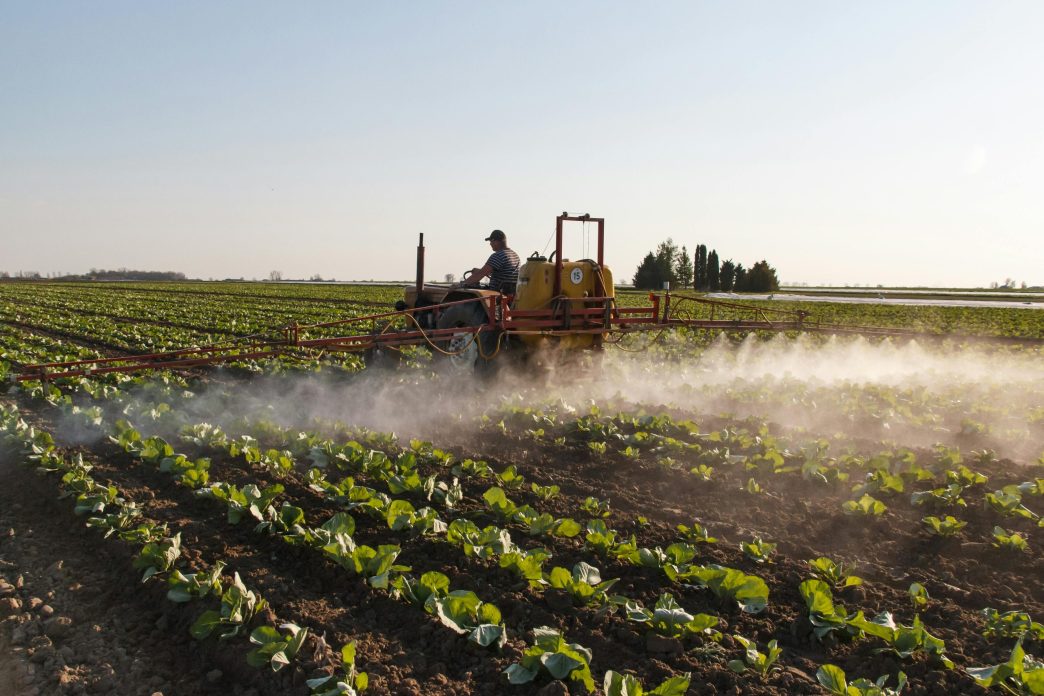
One of the biggest advantages of data-driven tools is their ability to optimize resource use. Water, fertilizers, and pesticides are essential for crop production, but overuse can be costly and harmful to the environment.
By using data to guide application, farmers can deliver the right amount of resources where they are needed most. For example, soil moisture sensors can indicate when irrigation is necessary, preventing both overwatering and underwatering.
Similarly, nutrient data helps determine the precise amount of fertilizer required for each area of a field. This not only reduces costs but also minimizes environmental impact.
Monitoring Crop Health in Real Time
Keeping track of crop health is essential for maintaining high yields. Data-driven tools make this process more efficient by providing real-time insights into plant conditions.
Satellite imagery and drone technology can detect changes in crop health that may not be visible from the ground. These tools use indicators such as color variation and growth patterns to identify potential issues early.
Crop management software consolidates this information and presents it in a clear format. Farmers can quickly identify problem areas and take corrective action before issues spread.
Predictive Analytics and Yield Forecasting
Predictive analytics is one of the most powerful aspects of data-driven agriculture. By analyzing historical data and current conditions, these tools can forecast future outcomes with a high degree of accuracy.
Yield forecasting helps farmers plan for harvest and manage supply chains more effectively. It also provides insights into which practices are delivering the best results.
For example, if data shows that certain planting methods consistently lead to higher yields, farmers can adopt those practices across their operations. This continuous improvement cycle drives long-term success.
Reducing Risk and Uncertainty
Farming is inherently unpredictable, with factors such as weather, pests, and market conditions influencing outcomes. Data-driven tools help reduce this uncertainty by providing reliable information and early warnings.
Weather alerts can help farmers prepare for extreme conditions, while pest monitoring systems can detect infestations before they become severe. This proactive approach reduces the likelihood of significant losses.
Crop management software plays a key role by integrating these data sources and delivering timely insights. Farmers can respond quickly to changing conditions and protect their crops more effectively.
Enhancing Collaboration and Record Keeping
Modern farming often involves multiple stakeholders, including farm managers, workers, agronomists, and suppliers. Data-driven tools improve collaboration by providing a shared platform for information and communication.
All relevant data is stored in one place, making it easy to access and update. This improves coordination and ensures that everyone is working with the same information.
Accurate record keeping is another benefit. Detailed records of activities, inputs, and outcomes are essential for compliance, reporting, and future planning. Crop management software simplifies this process and reduces the risk of errors.
Supporting Sustainable Farming Practices
Sustainability is becoming increasingly important in agriculture. Data-driven tools support sustainable practices by promoting efficient resource use and reducing environmental impact.
By applying inputs more precisely, farmers can minimize waste and avoid overuse of chemicals. Monitoring tools also help maintain soil health and protect water resources.
In addition, data can be used to track sustainability metrics and demonstrate compliance with regulations or certification programs. This is particularly important as consumers and markets place greater emphasis on environmentally responsible practices.
The Future of Data-Driven Crop Management
The role of data in agriculture is expected to grow even further as technology continues to evolve. Advances in artificial intelligence, machine learning, and automation will enhance the capabilities of crop management software.
Future systems may provide even more accurate predictions, automate routine tasks, and integrate seamlessly with other technologies such as autonomous machinery. These developments will make farming more efficient and less labor-intensive.
Despite these advancements, the core principle remains the same. Data-driven tools empower farmers to make better decisions and achieve better results.
Conclusion
Data-driven tools are revolutionizing crop planning and yield optimization by providing farmers with the insights they need to succeed. From soil analysis and precision planting to predictive analytics and real-time monitoring, these technologies offer significant advantages.
Understanding crop management software features explained in practical terms highlights how these tools transform complex data into actionable strategies. As adoption continues to grow, crop management software will play an increasingly important role in shaping the future of agriculture.
Farmers who embrace these innovations are better equipped to improve productivity, reduce costs, and operate sustainably in an ever changing industry.