Preparing a Florida home for hurricane season can involve hours of moving outdoor furniture, checking supplies, protecting windows, and securing doors. For many homeowners, covering every exterior opening is one of the most time-consuming parts of the process. Removable panels may be affordable and effective, but they must be carried from storage, matched to each opening, lifted into position, and attached with multiple fasteners. A hurricane accordion shutter offers a more permanent alternative that can simplify this important step. Because the shutters remain installed beside the opening throughout the year, homeowners can usually close them without transporting or organizing separate panels. Understanding how accordion shutters work, what benefits they provide, and what maintenance they require can help homeowners decide whether they are a practical investment.
What Are Accordion Shutters?
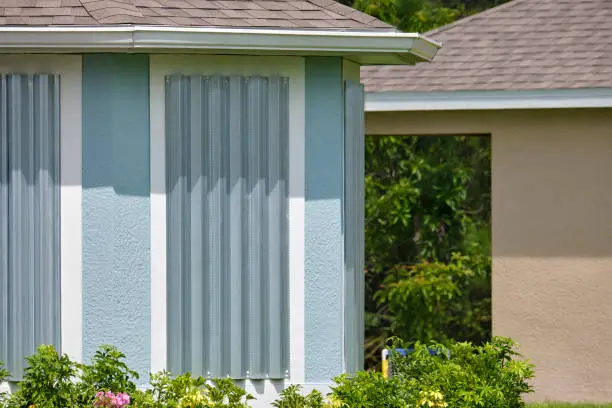
Accordion shutters are permanent storm protection systems installed along the sides of windows, doors, balconies, patios, and other exterior openings. The shutters consist of interlocking vertical blades that fold together when not in use and extend across the opening when storm protection is needed. They move along upper and lower tracks and are secured with locking mechanisms or fasteners once fully closed. Their folding design resembles an accordion, which is where the system gets its name. When installed correctly, the shutters create a strong barrier against windborne debris. They are available in different sizes and configurations to accommodate both standard windows and wide exterior openings.
Unlike removable storm panels, accordion shutters stay attached to the home throughout the year. Homeowners do not need to dedicate garage or shed space to storing large pieces of metal. The shutters are typically positioned on both sides of an opening and remain folded until needed. During storm preparation, each side is pulled toward the center and secured. This design can significantly reduce the amount of lifting and carrying required before a hurricane. However, the tracks, blades, locks, and attachment points must remain in good condition for the shutters to operate properly.
How Accordion Shutters Simplify Storm Preparation
One of the biggest benefits of accordion shutters is faster deployment. Homeowners do not have to search for numbered panels, locate boxes of bolts, or move heavy materials around the property. In many cases, closing the shutters involves pulling the folded blades across the opening and locking them into place. This can make it possible to protect an entire home in less time than a removable panel system would require. The exact preparation time depends on the number of openings, shutter condition, and property size. Even so, permanently attached shutters generally eliminate several common storm preparation steps.
Accordion shutters can also reduce confusion when a hurricane is approaching. Every shutter is already attached to the opening it is designed to protect, so there is no risk of matching the wrong panel to a window. Homeowners are less likely to discover that an important piece is missing or stored behind other belongings. The locking hardware also remains with the shutter system rather than being stored separately in a toolbox. This can be especially helpful for households that prepare under time pressure. A simple and familiar closing process allows homeowners to focus on other safety tasks.
Benefits for Large Windows and Doors
Large exterior openings can be difficult to protect with removable materials. Sliding glass doors, covered patios, balconies, and floor-to-ceiling windows may require multiple overlapping panels or oversized pieces that are heavy and awkward to handle. Accordion shutters can be designed to span wide areas while remaining attached to permanent tracks. The folding blades stack along the sides of the opening when not in use. This allows homeowners to preserve access and visibility during normal weather. When a storm approaches, the system can be extended across the entire space.
A hurricane accordion shutter may be particularly practical for:
- Sliding glass doors
- Wide patio entrances
- Floor-to-ceiling windows
- Screened lanais
- Balconies and covered walkways
- French doors with glass
- Large storefront-style openings
Protecting large openings is important because they often contain more glass and may be exposed to significant wind pressure. A single broken sliding door can allow wind and rain to enter the home quickly. Accordion shutters create a continuous barrier across the opening when they are properly sized and secured. They may also eliminate the need to store unusually large storm panels. Homeowners should make sure the surrounding walls and mounting surfaces are strong enough to support the system. A professional evaluation can identify the appropriate track, fasteners, and attachment points.
Improved Convenience for Older Homeowners
Storm preparation can be physically demanding, especially for older adults or homeowners with limited mobility. Steel panels may be difficult to lift, and ladder work can create additional safety risks. Accordion shutters reduce the need to carry heavy coverings from one window to another. Many systems can be closed from ground level without complicated tools. This may allow homeowners to complete more of the preparation independently. However, shutters can still become difficult to move if they are poorly maintained or damaged.
Convenience is also valuable for homeowners who live alone. Installing removable panels often requires a second person to hold materials in place while fasteners are attached. Accordion shutters are designed to remain supported by their tracks throughout the closing process. This can make them easier for one person to operate, depending on the size of the opening. Homeowners should test every shutter before hurricane season to confirm that it can be moved safely. If a shutter feels unusually heavy or sticks repeatedly, it should be inspected rather than forced.
Year-Round Storage Advantages
Removable shutters and storm panels can take up substantial storage space. A larger home may require dozens of panels, along with bolts, wing nuts, clips, and installation tools. These materials must remain dry, protected, and organized throughout the year. Accordion shutters eliminate the need to store separate coverings because the system stays attached to the property. This can free up valuable space in a garage, shed, or utility room. It also reduces the chance that storm protection materials will be damaged during storage.
Permanent installation can be especially useful for homeowners with smaller properties. Condominiums, townhomes, and coastal residences may have limited room for bulky materials. Even when storage is available, panels may be blocked by boxes, vehicles, or seasonal equipment. Retrieving them during an emergency can add unnecessary time and stress. Accordion shutters remain accessible whenever they are needed. Homeowners should still keep keys, cleaning supplies, and any required operating tools in a known location.
Potential Drawbacks to Consider
Accordion shutters provide convenience, but they are not the right solution for every home. The initial cost may be higher than basic removable storm panels or plywood. Pricing can vary based on the number and size of openings, the installation surface, the material, and local labor requirements. Homeowners should obtain detailed estimates that identify the exact shutters and hardware being installed. The proposal should also explain any permitting, inspection, or structural work included in the price. Comparing multiple qualified contractors can help homeowners evaluate overall value.
The appearance of the shutters is another consideration. Because accordion shutters remain installed year-round, folded blades and tracks are visible on the exterior of the home. Some homeowners appreciate the permanent readiness, while others prefer a less noticeable system. Color options may help the shutters blend with walls, trim, or architectural features. Homeowners’ associations may also have rules covering exterior changes. Those requirements should be reviewed before installation begins.
Possible drawbacks include:
- Higher upfront costs than some removable options
- Visible tracks and folded shutter blades
- Routine cleaning and lubrication requirements
- Potential corrosion in coastal environments
- Repairs when locks, wheels, or blades become damaged
- Space needed beside the opening for folded shutters
- Possible conflicts with doors, railings, or exterior fixtures
Maintenance Is Essential
Accordion shutters can only simplify storm preparation when they open and close correctly. Dirt, salt, insects, leaves, and other debris may collect in the tracks over time. Coastal air can also contribute to corrosion on fasteners, locks, and metal components. Homeowners should clean the tracks regularly and inspect the blades for dents, separation, or damage. Locks and operating mechanisms should be tested before hurricane season begins. Any replacement components should be compatible with the original system.
Homeowners should follow the manufacturer’s recommendations for lubrication. Using the wrong product may attract dirt, create residue, or damage certain materials. Shutters should be opened and closed periodically, even when no storms are expected. Regular movement helps identify sticking areas before an emergency occurs. Never force a jammed shutter because excessive pressure may bend the blades or damage the track. A qualified technician can repair alignment problems, damaged rollers, and worn locking systems.
Accordion Shutters Compared With Storm Panels
Storm panels remain a practical choice for homeowners who want affordable impact protection. They can be removed after a storm, which preserves the normal exterior appearance of the home. However, panels require storage, transportation, organization, and manual attachment. Heavy materials may require two people, especially when covering wide doors or upper-level windows. Accordion shutters eliminate most of those steps because they are permanently mounted. The tradeoff is a higher initial investment and more visible exterior hardware.
The best choice depends on how the homeowner prepares for storms. Someone with plenty of storage space and physical assistance may be comfortable using removable panels. A homeowner who wants faster deployment may find accordion shutters more convenient. The number of windows and doors also affects the decision. Covering a small, single-story home with panels may be manageable, while protecting a large property can take considerably longer. Homeowners should consider both the purchase price and the work required every time a storm threatens.
Accordion Shutters Compared With Impact Windows
Impact-resistant windows provide continuous protection without requiring shutters to be closed. They may also offer everyday benefits such as improved security, reduced exterior noise, and protection from unexpected debris. However, replacing all of the windows and doors in a home can involve a substantial investment. Accordion shutters allow homeowners to protect existing glass without completing a full window replacement project. They remain ready for use but must still be manually closed before severe weather arrives. This makes them a middle-ground option between removable panels and permanent impact glass.
Some homeowners combine different forms of protection. Impact windows may be installed in frequently used rooms, while accordion shutters protect large doors or lanais. A mixed approach can help balance cost, convenience, and appearance. Every vulnerable opening should still be included in the final protection plan. Using different systems is acceptable when each product is appropriate for its specific location. A contractor can help identify which openings may benefit most from accordion shutters.
Installation and Safety Considerations
Professional installation is important because the shutter system must transfer wind and impact forces into the surrounding structure. Tracks and anchors should be attached to appropriate framing, concrete, masonry, or other approved surfaces. Decorative trim, lightweight screens, and weak structural elements may not provide adequate support. Installation requirements may vary based on the opening size and wall construction. Homeowners should request product documentation and information about the attachment method. The completed system should be tested before the installation team leaves.
Shutters must also be used with emergency access in mind. Covering every door without an exit plan can create a safety problem during a fire or other emergency. Household members should know how to unlock and open the shutters from inside when necessary. Keys should remain accessible but secure. Homeowners should also check whether the shutters interfere with exterior lights, door handles, cameras, or utility equipment. Careful planning can prevent these conflicts before installation.
Frequently Asked Questions
Are accordion shutters easy to close?
Most systems are designed to slide across tracks and lock in the center. They are generally easier to deploy than removable panels, but maintenance is necessary to prevent sticking.
How long does it take to close accordion shutters?
The time depends on the size of the home and the number of openings. A well-maintained system can usually be closed much faster than a full set of removable panels.
Can accordion shutters protect sliding glass doors?
Yes. Accordion shutters are commonly used over wide sliding glass doors and patio openings. The system must be properly sized and anchored.
Do accordion shutters stay attached year-round?
Yes. They remain folded beside the protected opening when not in use. This eliminates separate panel storage.
Do accordion shutters require maintenance?
Yes. Tracks, locks, fasteners, and blades should be cleaned and inspected regularly. Coastal homes may require more frequent corrosion checks.
Can one person close accordion shutters?
Many shutters can be operated by one person. Large, damaged, or poorly maintained systems may require assistance or professional repair.
Are accordion shutters better than impact windows?
Neither option is universally better. Impact windows provide continuous protection, while accordion shutters may protect existing glass at a lower initial cost.
Should shutters be closed as soon as a hurricane is forecast?
Homeowners should close them early enough to avoid working outside in dangerous wind or rain. Follow local emergency guidance and complete preparations before conditions deteriorate.
Do Accordion Shutters Make Storm Prep Easier?
Accordion shutters can make hurricane preparation significantly easier by reducing lifting, storage, and installation work. Their permanent design allows homeowners to protect windows and doors without searching for separate panels or hardware. They can be particularly valuable for sliding doors, lanais, and other wide openings. Homeowners who have mobility concerns, limited storage space, or large properties may appreciate the streamlined deployment process. The system still requires inspection, cleaning, and occasional repair to remain dependable. A shutter that is ignored for years may become difficult to close when it is needed most.
A complete hurricane plan should include more than window protection. Homeowners should also secure outdoor furniture, inspect roofs and doors, clear drainage systems, document property conditions, and maintain emergency supplies. Official evacuation orders should always be followed, regardless of the shutters installed on the home. No protection system can eliminate every risk created by a major hurricane. However, reducing the time needed to secure exterior openings can make preparation more organized and less stressful. For many Florida homeowners, a properly installed and maintained hurricane accordion shutter offers a practical combination of convenience, durability, and reliable storm readiness.