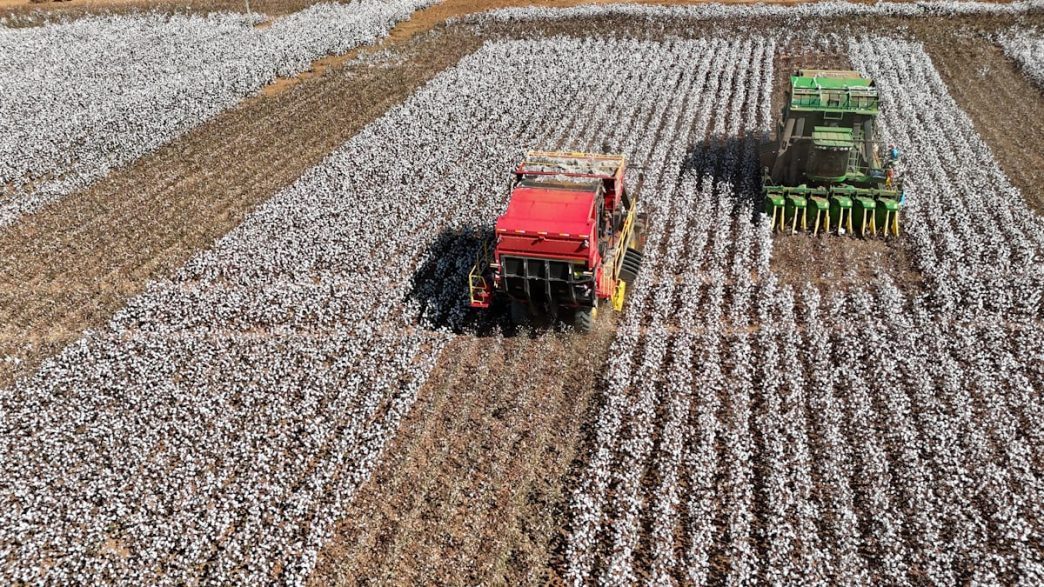
Cotton harvesting contractors depend on reliable machinery to complete large workloads within narrow seasonal windows. A single breakdown can delay several farms, disrupt labour schedules, and reduce the number of hectares completed each day. Because contractors often operate equipment for extended hours, routine wear develops faster than it may on machines used by one grower. A detailed maintenance checklist helps crews identify problems before they create expensive field delays. It also makes parts purchasing more predictable and improves communication between operators, technicians, and managers. Keeping the right cotton picker maintenance parts available is essential for protecting productivity throughout the season.
Why Contractors Need a Standardised Checklist
Contractors often manage several machines, multiple operators, and changing field conditions across different properties. Without a standardised checklist, maintenance quality may vary depending on who inspects the picker or how much time is available. Important components can be overlooked when crews rely on memory instead of a written process. A consistent inspection routine ensures that every machine receives the same level of attention. It also creates a record that managers can use to track wear, repair costs, and recurring faults. Standardisation becomes especially valuable when seasonal staff or new operators join the team.
A strong checklist should separate daily checks, scheduled service tasks, and pre-season inspections. Daily checks focus on cleaning, lubrication, leaks, visible damage, and unusual operating behaviour. Scheduled services address filters, fluids, adjustments, and components that must be replaced at specific machine-hour intervals. Pre-season inspections are more detailed and allow time for major repairs before work begins. Contractors should assign responsibility for each task and record when it was completed. This approach reduces confusion and makes it easier to confirm that maintenance has not been missed.
Inspect Spindles and Picking Units First
The picking units contain many of the machine’s highest-wear components and should be inspected before other systems. Spindles, picker bars, bushings, cam tracks, rollers, and related hardware operate continuously while the machine moves through the crop. Worn parts can lower picking efficiency, increase field losses, and damage nearby components. Each row unit should be cleaned thoroughly before inspection so that grease, lint, and plant material do not hide defects. Technicians should compare wear across the machine rather than assuming every unit is in the same condition. Uneven wear may indicate an alignment, lubrication, or adjustment problem.
Spindles should be checked for bending, corrosion, broken tips, surface damage, and restricted movement. Damaged spindles may fail to collect cotton properly or may create extra stress within the picking unit. Spindle nuts and bushings should be inspected for looseness and replaced when they no longer hold components securely. Picker bars should move smoothly without excessive play, binding, or unusual noise. Cam tracks and rollers must remain correctly lubricated and free from visible damage. Contractors should stock enough replacement spindles and related cotton picker maintenance parts to service several row units without waiting for delivery.
Check Doffers and Moisture System Parts
Doffers remove cotton from the rotating spindles, making their condition critical to efficient harvesting. Worn, cracked, uneven, or incorrectly adjusted doffers can leave cotton wrapped around the spindle. This reduces picking performance and may increase lint buildup inside the row unit. Contractors should inspect doffer surfaces, clearances, shafts, bearings, and mounting hardware. Adjustment should follow the machine manufacturer’s specifications to avoid excessive contact or insufficient stripping action. Doffers that are near the end of their service life should be replaced before the machine begins a long contract.
The moisture system also requires careful attention because it helps clean and lubricate the spindles. Inspect moisture pads, holders, pumps, filters, valves, hoses, fittings, and supply lines. Pads should apply the solution evenly and should not be dry, torn, hardened, or contaminated. Hoses must remain flexible and free from cracks, while fittings should show no signs of leakage. The complete system should be tested under pressure before harvest starts. Spare moisture pads, filters, hoses, and fittings should be included in the contractor’s field inventory.
Key picking-unit parts to inspect include:
- Spindles and spindle nuts
- Picker bars and bushings
- Cam tracks and rollers
- Doffers and doffer assemblies
- Moisture pads and holders
- Pumps, valves, hoses, and filters
- Fasteners, guards, and shields
- Lubrication lines and fittings
Examine Belts, Chains, and Bearings
Belts and chains transfer power through many areas of a cotton picker and can stop the machine when they fail. Belts should be inspected for cracks, glazing, fraying, missing sections, contamination, and incorrect tension. Pulleys must be checked for alignment, wear, and buildup that could shorten belt life. Chains should move freely and should not contain stiff links, severe corrosion, or excessive stretch. Sprockets with hooked or damaged teeth should be replaced at the same time as the chain. Installing a new chain on badly worn sprockets can lead to rapid wear and unreliable operation.
Bearings should be checked for heat, noise, looseness, lubricant leakage, and damaged seals. Accessible components can be rotated by hand to detect roughness, grinding, or resistance. During a test run, technicians should compare the temperatures of similar bearings across the machine. A bearing that runs noticeably hotter than matching components may be approaching failure. Contractors should identify bearings that have failed frequently in previous seasons and keep replacements in stock. Common bearings, belts, and chains are among the most practical cotton picker maintenance parts to carry in a service vehicle.
Review Hydraulic Components
Hydraulic systems control several important machine functions and should be inspected for both performance and safety. Hoses require close examination for cracking, abrasion, soft areas, exposed reinforcement, and damage near fittings. Lines that move during operation should have enough clearance to avoid rubbing against frames, brackets, or other hoses. Clamps and protective sleeves must hold lines securely without restricting movement. Damp fittings or oily surfaces may indicate an early leak that should be repaired before it worsens. Pressurised hydraulic leaks should never be checked with bare hands.
Cylinders should be inspected for scored rods, damaged seals, leaking oil, and loose mounting points. Rods must remain clean and straight to prevent premature seal failure. Pins, bushings, and retainers should fit securely without excessive movement. Hydraulic filters and fluid should be serviced at the recommended intervals to protect pumps and valves. Contractors should carry common hose sizes, fittings, seals, caps, and protective sleeves when practical. Fast access to these items can turn a major delay into a manageable field repair.
Inspect Airflow and Cotton Handling Systems
The air-handling system moves harvested cotton from the row units through the machine. Ducts, fans, seals, transitions, and access panels must remain secure and free from restrictions. Holes, loose joints, and damaged seals can reduce airflow and cause cotton to collect in unwanted areas. Fan blades should be checked for cracks, bends, buildup, and signs of imbalance. Fan bearings and drive components also require inspection for noise, heat, and looseness. Any unusual vibration during operation should be investigated before the machine returns to work.
Ducting often wears at bends, joints, and high-contact areas because cotton and debris move through it continuously. Contractors should inspect both visible exterior surfaces and accessible internal areas. Thin sections may require repair or replacement even if they have not yet worn through completely. Clamps and seals should be tightened or replaced when they no longer maintain a secure connection. Flexible duct sections should remain free from cracking and collapse. Replacement clamps, seals, patch materials, and flexible sections should be part of the seasonal maintenance stock.
Test Electrical and Monitoring Systems
Electrical problems can stop a modern cotton picker even when all mechanical components are functioning correctly. Wiring harnesses should be inspected for rubbing, heat damage, corrosion, loose connectors, and rodent activity. Connectors must be clean, dry, and firmly seated. Batteries should be load-tested, and terminals should be cleaned and tightened. Charging-system performance should be confirmed before the machine begins long operating shifts. Spare fuses and relays should be clearly labelled and stored where operators can find them quickly.
Sensors, alarms, cameras, displays, and row-unit monitoring systems should be tested during the pre-season inspection. Warning codes must be diagnosed rather than cleared without finding the underlying cause. Yield-monitoring equipment and machine settings should be calibrated according to operational needs. Contractors should verify that operators understand the meaning of important warnings and know when to stop the machine. Common sensors, switches, connectors, and electrical repair supplies can reduce downtime when faults occur. All replacement parts must match the exact machine model and system requirements.
Check Tyres, Wheels, and Safety Equipment
Cotton pickers are heavy machines that place significant loads on tyres, wheels, axles, and steering components. Tyres should be checked for cuts, cracking, sidewall damage, embedded objects, uneven wear, and correct pressure. Wheel nuts must be tightened to the specified torque. Rims should be examined for distortion, cracks, and damage around mounting points. Steering joints, hubs, axles, and suspension parts should show no excessive movement or leakage. Tyre failures can create long delays, particularly when a machine is working far from a service centre.
Safety equipment deserves the same attention as productivity components. Inspect lights, mirrors, cameras, ladders, steps, handrails, guards, and warning decals. Fire extinguishers and suppression systems should be serviced and positioned for quick access. Plant material, oil, grease, and lint must be removed from hot areas near engines and exhaust systems. Emergency shutdown controls should be tested before the season begins. Contractors should also confirm that field service vehicles carry first-aid supplies, personal protective equipment, and safe lifting tools. Good maintenance protects operators as well as machinery.
Build a Contractor Parts Inventory
A parts inventory should reflect the number of machines, expected workload, machine age, and distance from suppliers. Contractors should review previous repair records to identify components that failed most often. Frequently used parts should be stocked in greater quantities, while expensive or uncommon items may be ordered based on condition assessments. Every item should be labelled with its part number, compatible machine model, and storage location. Inventory records should be updated whenever a part is installed. This prevents crews from discovering shortages during an urgent repair.
A practical inventory may include:
- Spindles, nuts, bushings, and picker-unit hardware
- Doffers, moisture pads, brushes, and holders
- Belts, chains, sprockets, bearings, and seals
- Hydraulic hoses, fittings, filters, and caps
- Electrical fuses, relays, sensors, and connectors
- Air-duct clamps, seals, and flexible sections
- Engine, fuel, air, and hydraulic filters
- Lubricants, cleaning products, and service fluids
- Fasteners, retaining clips, and protective guards
- Tyre repair supplies and wheel hardware
Parts should be stored in sealed containers when dust, moisture, or contamination could affect them. Small electrical components require organised storage to prevent damage and misidentification. Heavy parts should be secured so they cannot shift inside a workshop or service vehicle. Contractors should also maintain a list of supplier contacts and after-hours support numbers. Serial numbers and machine details should be readily available when ordering replacements. Accurate information allows suppliers to identify the correct cotton picker maintenance parts more quickly.
Create Daily and Weekly Service Routines
Daily service should begin with a complete walk-around inspection before the machine enters the field. Operators should look for leaks, loose hardware, damaged guards, worn parts, and material buildup. Lubrication points must be serviced according to the manufacturer’s recommended intervals. Cooling systems, screens, and airflow passages should be cleaned to prevent overheating. Operators should also report changes in sound, vibration, temperature, fuel use, or picking performance. These observations can provide early warning of a developing fault.
Weekly inspections should be more detailed and may require technicians to measure wear or remove access panels. Belts, chains, bearings, hydraulic hoses, electrical connections, and picking-unit adjustments should receive closer attention. Maintenance records should show machine hours, parts replaced, faults found, and work completed. Repeated failures should be investigated for underlying causes rather than treated as unrelated events. Contractors should schedule major repairs around workload commitments whenever possible. Planned service periods are less disruptive than unexpected breakdowns during peak harvest.
Frequently Asked Questions
Which cotton picker parts should contractors inspect first?
Start with the picking units, including spindles, doffers, moisture pads, picker bars, bushings, and cam components. These parts experience constant crop contact and directly affect harvesting performance. Drive, hydraulic, air, and electrical systems should follow.
How often should a contractor inspect a cotton picker?
Operators should complete basic checks before and after each shift. More detailed inspections should occur at scheduled machine-hour intervals and at least weekly during intensive use. Manufacturer service recommendations should always be followed.
Which parts should be carried in a field service vehicle?
Carry frequently used items such as spindles, moisture pads, bearings, belts, filters, fuses, relays, hoses, fittings, seals, and fasteners. The exact selection should reflect the machine model and previous repair history. Tools and safety equipment should also be included.
When should worn parts be replaced?
Replace parts when they show cracking, distortion, excessive movement, heat damage, corrosion, or performance loss. Components approaching their wear limit should be replaced before a major contract begins. Planned replacement is usually less costly than a field failure.
How can contractors avoid ordering the wrong part?
Use the machine model, serial number, and verified manufacturer part number when ordering. Photographs and measurements can help when a part number is unclear. Compatibility should be confirmed before the part is dispatched.
Why are maintenance records important?
Records reveal recurring failures, repair costs, parts usage, and service intervals. This information improves inventory planning and helps managers decide when a machine needs major repair or replacement. It also creates accountability across crews.
Finalise the Checklist Before Harvest
The final maintenance checklist should assign every task to a specific operator, technician, or manager. Each item should include the inspection date, machine hours, condition, required action, and completion status. Safety-critical and breakdown-prone issues should receive the highest priority. Machines should be tested under realistic operating conditions after repairs and adjustments are completed. Leaks, warning codes, overheating, unusual vibration, and poor picking performance must be resolved before deployment. A signed checklist gives contractors confidence that the machine is ready for sustained work.
Contractors should also review parts stock, service vehicles, tools, supplier contacts, and emergency procedures before the first job. Operators need clear instructions for reporting defects and requesting repairs. Spare parts should be accessible without disrupting workshop operations or searching through unlabelled containers. A reliable supply of cotton picker maintenance parts supports faster repairs and better scheduling across multiple farms. Consistent inspections also extend component life and help protect the contractor’s reputation for dependable service. With a disciplined checklist and well-planned inventory, contractors can reduce downtime and complete more hectares during the harvest season.