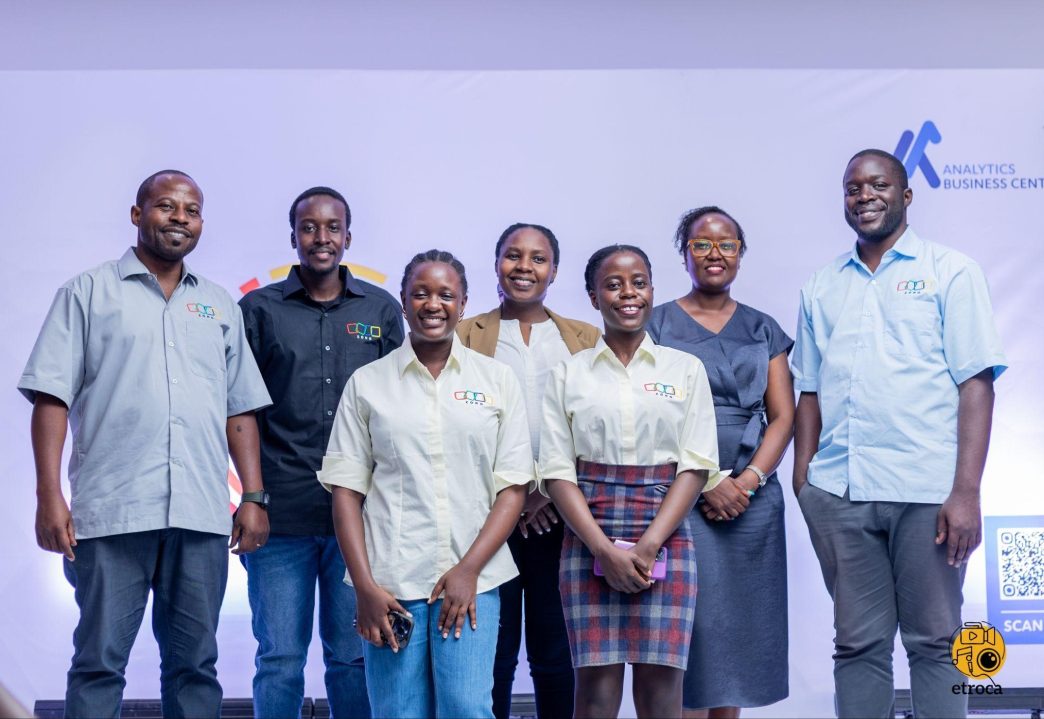
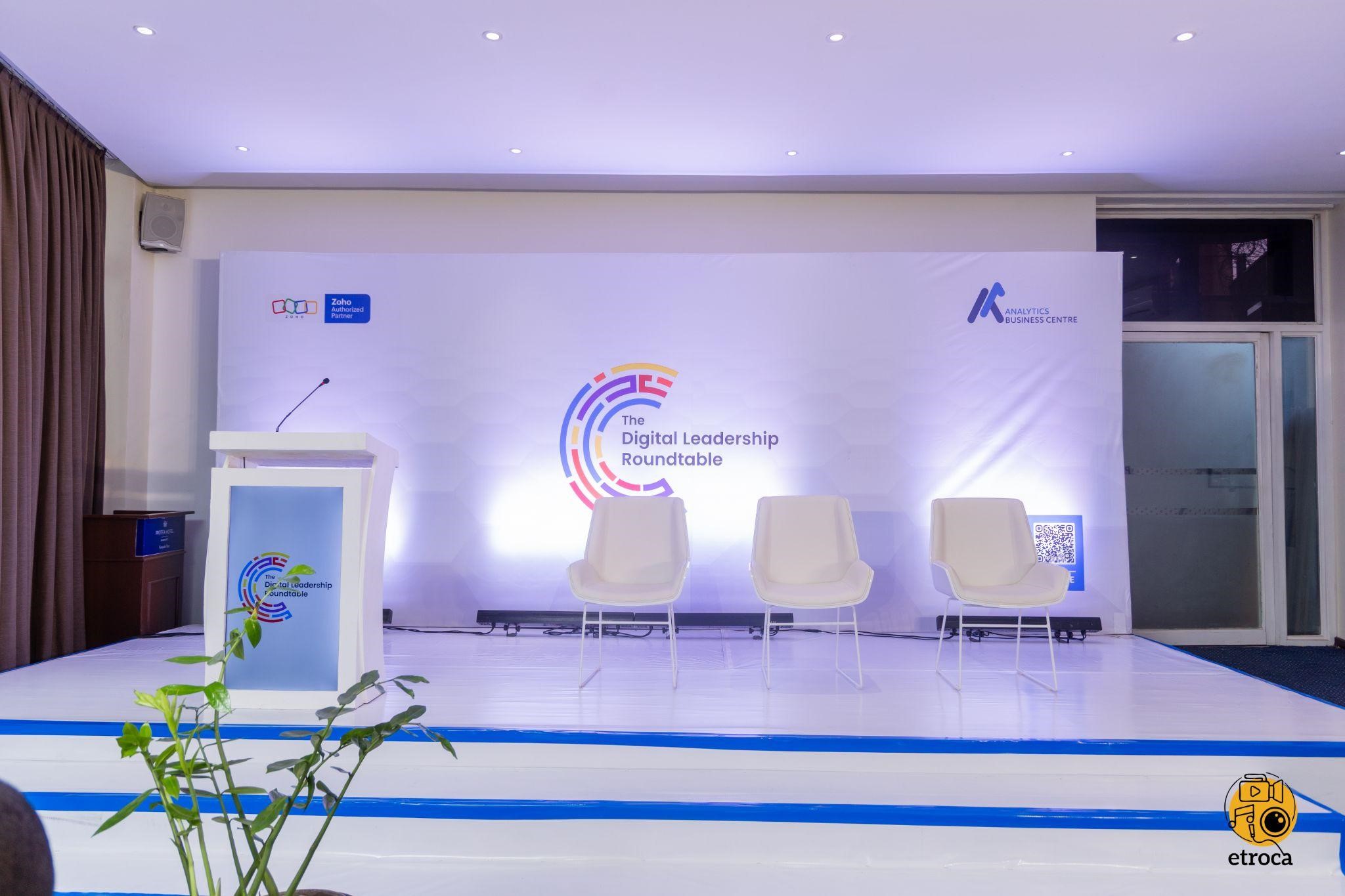
On July 17th, HR leaders and culture practitioners convened at Protea Hotel Kampala Skyz to launch the Digital Leadership Roundtable. Co-hosted by Analytics Business Centre (ABC) and the Human Resource Managers’ Association of Uganda (HRMAU), the roundtable opened with an HR Edition, where organizational change is usually felt first: not in the systems a business buys, but in how it leads the people meant to use them.
ABC is a Ugandan technology consulting and business solutions company that helps organisations improve performance through digital transformation, business automation, data-driven decision-making, and customer-centric innovation. As an authorised Zoho Partner, ABC works with businesses across industries to implement technology solutions that enhance operations, strengthen customer relationships, and drive sustainable growth.
To extend these conversations beyond technology implementation, ABC has established The Digital Leadership Roundtable (TDLR) series, an executive thought leadership platform that brings together leaders from across industries to exchange ideas, explore emerging trends, and discuss the leadership, innovation, and digital transformation strategies shaping the future of business. Through roundtables, webinars, and executive engagements, TDLR seeks to foster collaboration, inspire new thinking, and equip organisations to navigate an increasingly digital world.
Primera Muthoni, Founder and Team Lead of ABC, opened the inaugural session, reflecting on her experiences leading product developments at MTN that taught her a lesson that now anchors ABC’s approach: ‘technology only works when people actually use it.’ She’d watch well-built systems launch with fanfare, then quietly go unused, not because the technology was flawed, but because nobody had done the harder, human work of bringing people along with the change.
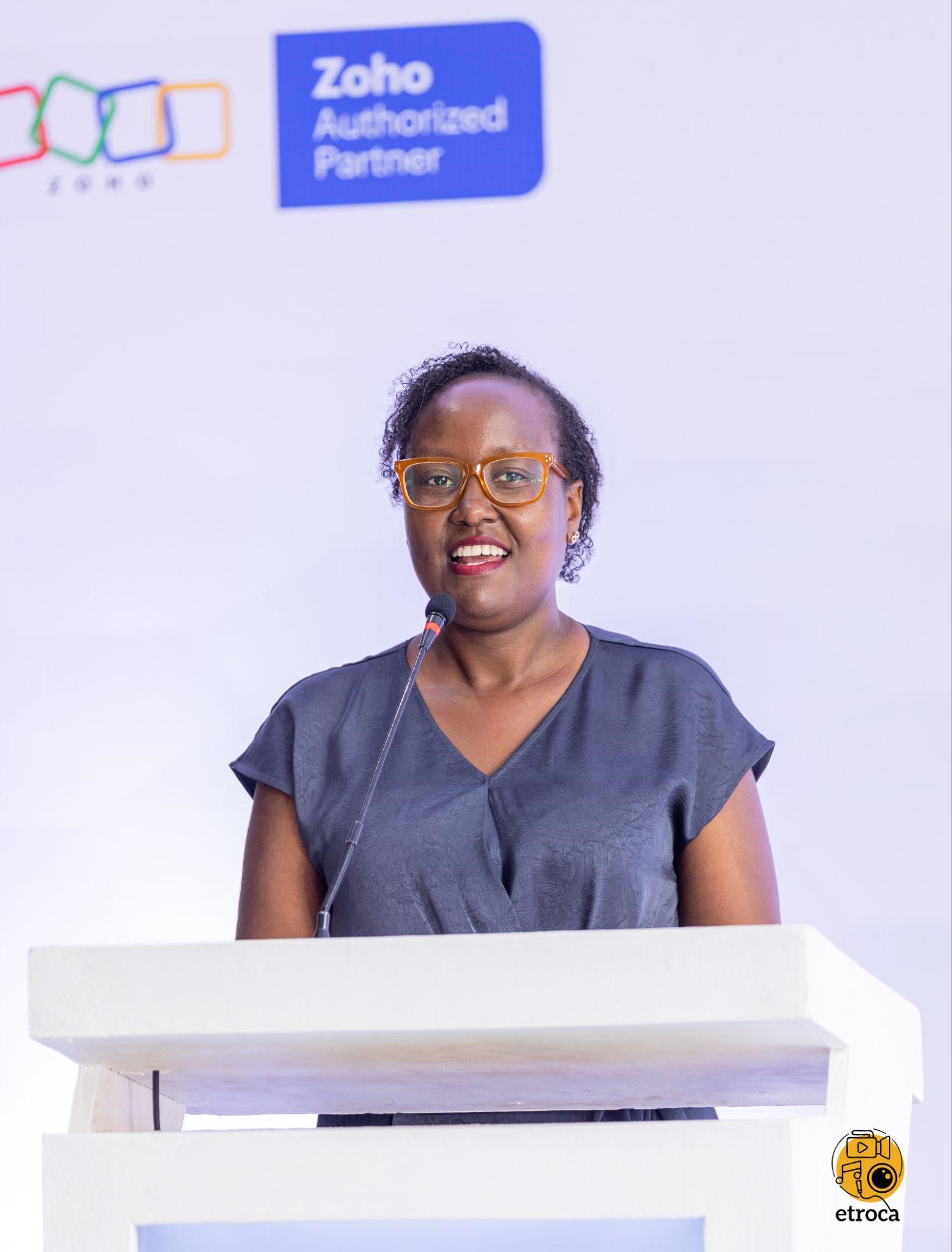
That gap is why she built ABC. The company works with Ugandan businesses on CRM systems, finance automation, HR and payroll platforms, business intelligence, and broader digital transformation. Yet, as Muthoni put it, her team rarely calls what it does “implementing software.” More often, they describe it as helping organizations change how they work, and helping their people change with them.
She has watched the same pattern recur across dozens of Ugandan businesses. “An organization sets out to digitize a CRM, a payroll system, or an inventory tool, and treats it as a technology project first,” she said.
The people and culture questions only resurface once adoption stalls and the new system starts gathering dust. To Muthoni’s mind, culture isn’t something layered on top of a technology rollout for polish; it’s the ground the rollout stands on, or the reason it collapses.
She closed her remarks with a challenge rather than a takeaway. She didn’t want anyone leaving with a new piece of software to buy, but with a vital diagnostic question to carry back to their workplaces: “What does our culture need to be true before any tool will actually work?”
That question set the tone for the keynote that followed by Paul Rumanda Rugambwa, CHRO, COO, and President of HRMAU. He used his address to reframe the anxiety many workplaces feel around artificial intelligence (AI) and new emerging technologies. Technology, he told the room, has never been the difficult part of any transformation. People are the difficult part.
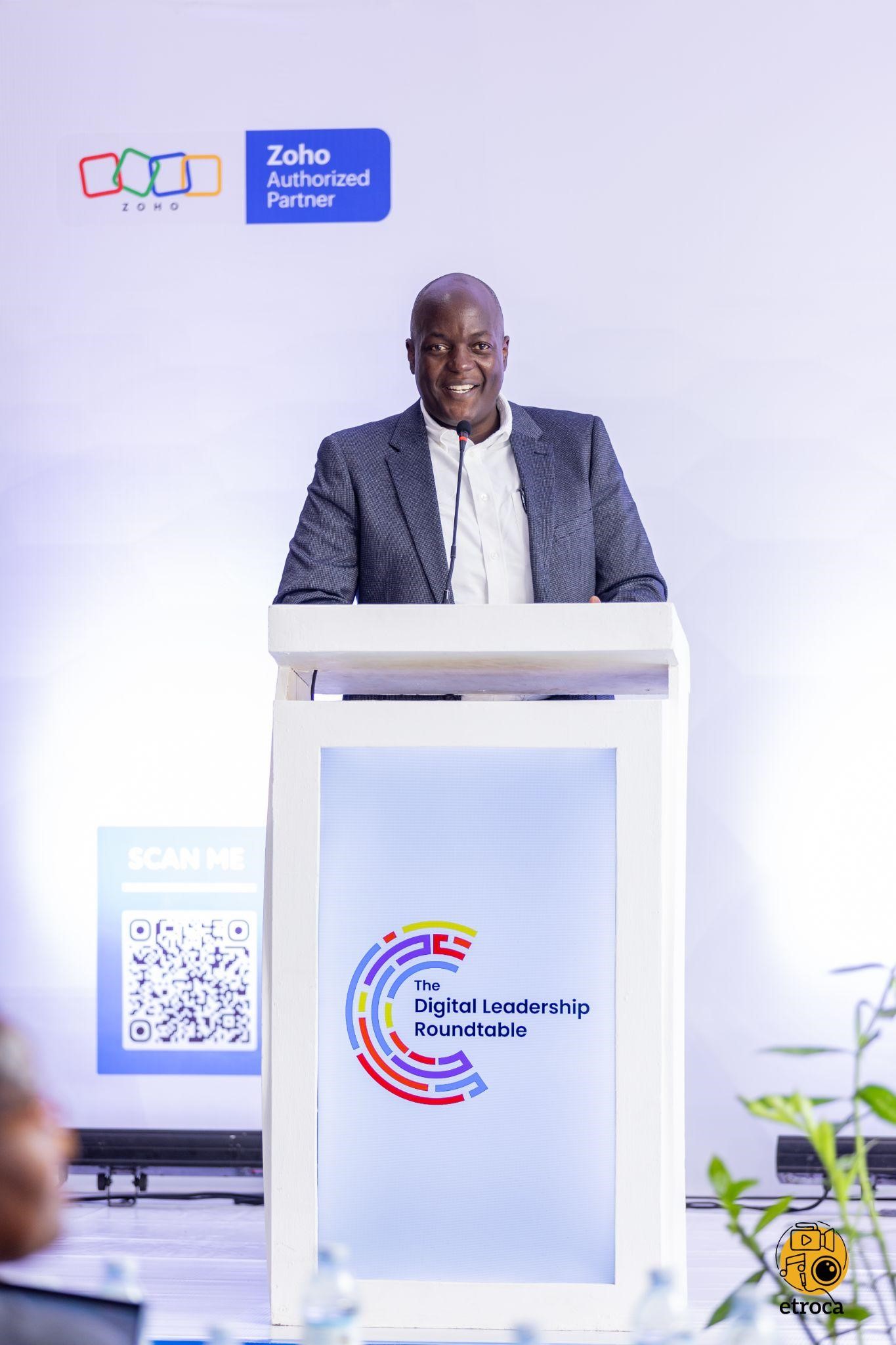
“The hard part has always been people,” he said, pointing to the importance of creating workplaces where employees feel safe enough to learn, trusted enough to experiment, and supported enough to embrace change.
He cited World Economic Forum (WEF) research that identifies the skills gap as the biggest obstacle to transformation, ahead of capital or regulation. Rather than viewing this as a setback, he described it as an opportunity for organizations to invest in their people.
As Uganda continues implementing its national development agenda, he stressed that leadership must focus on preparing the workforce for the future through continuous learning, trust-building, and inclusive organizational cultures.
Rugambwa closed his keynote with a challenge aimed in two directions. To CEOs, who set culture through what they choose to reward, and to HR leaders, whom he urged to lead this moment “with courage and with data.”
Throughout the discussions, one theme remained consistent: that HR is no longer a support function operating behind the scenes.
As organizations adopt AI, automation, and data-driven decision-making, HR increasingly sits at the intersection of technology, culture, and business performance. The role has evolved from managing policies and processes to enabling organizational capability and ensuring technology investments translate into meaningful behavioral change.
The roundtable recognized that successful digital transformation cannot be measured solely by systems deployed or budgets spent. Its success is ultimately reflected in employee adoption, organizational culture, and people’s ability to work differently.
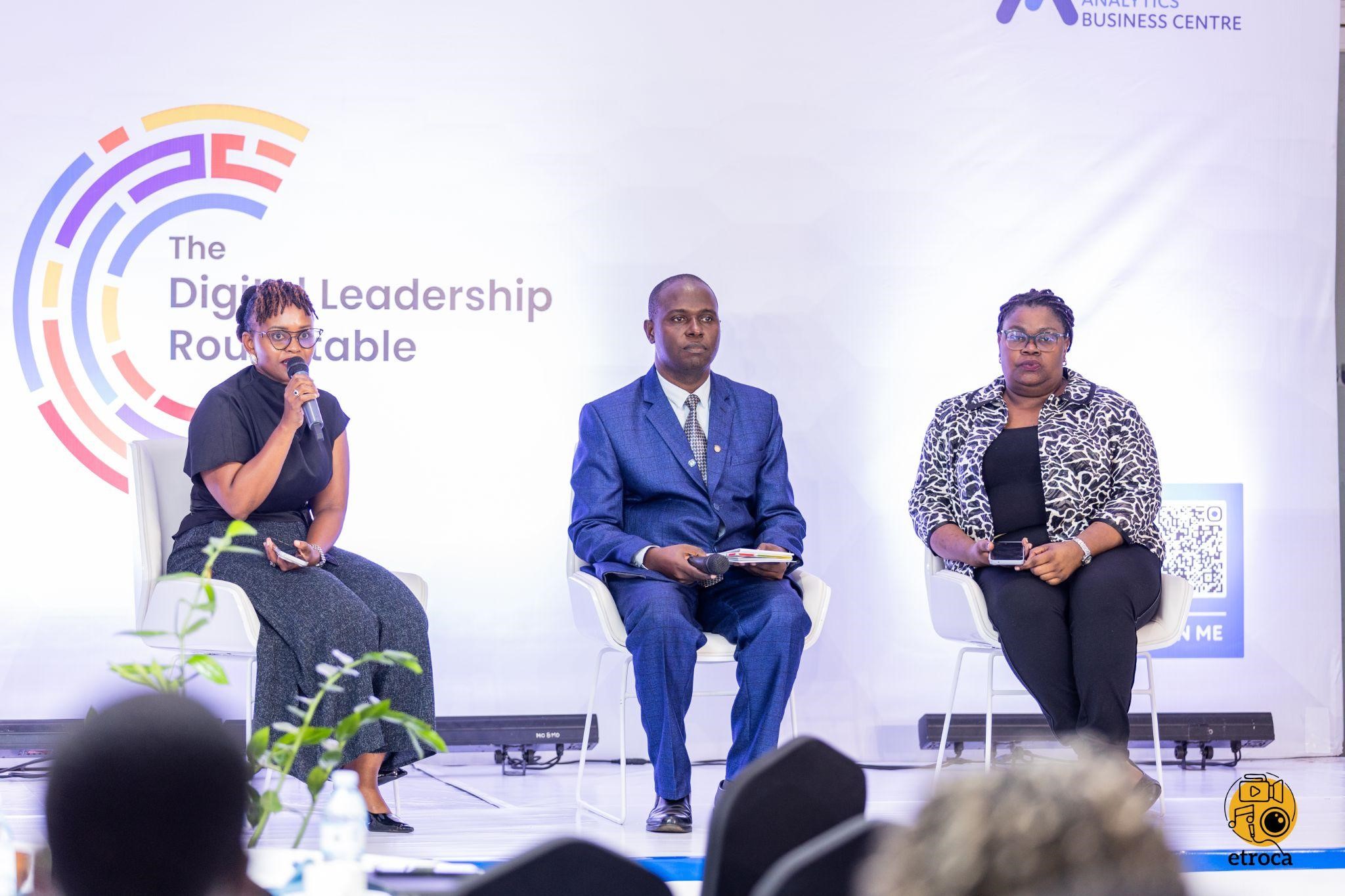
Meanwhile, the event also featured an engaging panel discussion with Peter Kabaseke, Joyce Nakalema, and Dr. Irene Mutuzo, who each shared unique perspectives on leadership, organizational culture, and technology in today’s workplace.
This HR Edition is only the first chapter. Designed as more than a single event, the Digital Leadership Roundtable marks the start of an ongoing series that examines how technology is reshaping every business function. Future editions will explore marketing, finance, operations, and other leadership disciplines, recognizing that digital leadership extends far beyond IT departments.
Watch on YouTube: https://youtu.be/RYwD6q39k3E