A bad trade in Blox Fruits rarely begins inside the trade window. It usually begins a little earlier, when a player checks the dealer, finds nothing useful, and then sits with that small pressure in mind for the next few minutes. The fruit they wanted is not there, chat starts throwing random claims around, and the whole decision turns into guesswork before the trade even opens.
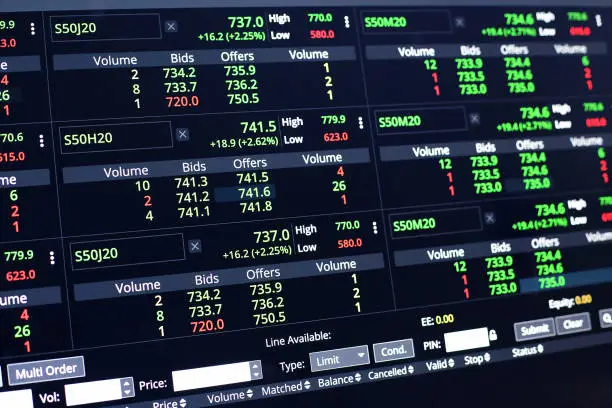
That is why Blox fruits live stock data, like Mirage Fruits, is more important than many players admit at first. It is not only about seeing fruit names on a page. It changes how you read the moment, how long you wait, and whether the trade in front of you actually makes sense once you know what is in stock right now and what could change soon.
Trade pressure gets worse when stock data is missing
Most weak trades happen because one side is reacting to missing information. A player wants Buddha for raids, Portal for movement, or a fruit they need for a grind plan, but they do not know whether the fruit is already in stock somewhere else or whether the next reset is close. Once that gap appears, someone in chat fills it with noise.
That is where deals go wrong. One person says a fruit is rare today. Another says it was just in stock. Someone else pushes a fast trade before you stop and check anything. In that kind of room, the player with live stock data walks in calmer because the pressure loses some of its hold once the current stock is already on screen.
Stock is not only about buying
A lot of players treat stock checking like a thing you do only when you are about to spend Beli. In real play, stock data also shapes trade value, because a fruit that is already available in the dealer does not carry the same mood in chat as a fruit that no one can buy at that moment. The item is the same, but the room reacts to it in a different way.
For mobile players, this matters in another way too. Many Roblox users redeem Google Play codes to add balance for Robux purchases, but that does not mean every quick trade or panic buy is worth it. If a player checks live Blox Fruits stock first and sees that the fruit may appear soon in Normal Stock or Mirage Stock, they can hold that balance for a better move instead of spending under pressure.
That difference matters in both small and expensive trades. A player who knows the fruit is live in stock has no reason to overpay just because someone frames it as hard to get. The trade room may still try to create urgency, but urgency falls apart once the stock data says something else.
Timing changes the meaning of the same fruit
The fruit list alone does not tell the full story. Timing is what turns the same stock screen into two different situations. A strong fruit with a fresh reset in front of it gives you space to think, check your Beli, and decide if it actually fits what you want to do next in the game.
That same fruit with a short timer left creates a different problem. Now the choice is not only about value. It is also about whether you can reach the dealer in time and whether waiting for another cycle makes sense. This is where a live page does real work for players, because the value of stock data comes from the fruit list and the timer together, not from one without the other.
Many players use a Blox Fruits stock tracker for exactly that reason. It gives them the current stock, the reset timing, and the recent stock view in one place, which makes the next move much easier to judge before trade pressure takes over.
Normal Stock and Mirage Stock create a lot of confusion
One mistake shows up again and again in Blox Fruits discussions. A player checks one stock section, does not see the fruit, and then talks as if the fruit is missing everywhere. That is where confusion around Normal Stock and Mirage Stock starts feeding bad trade decisions.
The problem is not only technical. It affects behavior right away. Someone misses the fruit in one section, assumes the fruit is gone, and starts treating every trade offer like a last chance. Once that mindset enters the room, the deal usually moves away from value and closer to panic. Live stock data cuts into that problem because it gives both sections a place in the same decision instead of leaving the player with half the picture.
Grinding plans make stock data even more useful
Trading is only one side of the issue. Stock data matters just as much when your next game session depends on what fruit you use. A Sea 1 player may need a fruit that makes repeated quests less painful. A Sea 2 player may watch stock because raids or awakenings are now part of the plan. A Sea 3 player may care more about movement, hitboxes, chase control, or how a fruit changes the flow of a fight.
That is where random advice falls short. A fruit that looks valuable in chat is not always the fruit that fits your next few hours in the game. Once stock data is live in front of you, the question changes from “Is this fruit rare right now?” to “Does this fruit match what I actually need next?” That small shift saves a lot of bad buying and a lot of weak trades.
Bad trades usually follow a familiar pattern
Most bad trades are not wild mistakes. They are normal mistakes that stack up fast. The player misses the stock reset, hears one loud claim in chat, forgets to check the timer, and then values the offer based on urgency instead of current availability. By the time the trade ends, the player is not even reacting to the fruit anymore. They are reacting to the fear of missing it.
Live stock data breaks that pattern because it gives the trade a reference point. It does not remove bad offers from the room, and it does not stop anyone from trying to oversell a fruit. What it does is give the other side enough context to slow down, compare the current stock, and ask whether the trade still looks fair once the latest information is right there.
A calmer player usually makes the cleaner trade
Blox Fruits rewards good timing in more ways than people think. It shows up in movement, in farming routes, in raids, and in the way trade rooms change from one reset to the next. Stock data fits into that same rhythm. The player who checks live stock before reacting is usually the one who gives away less value over time.
That is really what this comes down to. Live stock data is not some extra detail sitting outside the game. It shapes real choices inside the game, especially when a fruit is tied to grinding, travel, raids, or PvP plans. Once players read stock and timing before they trade, the room gets a lot less chaotic, and the decision in front of them starts making sense again.