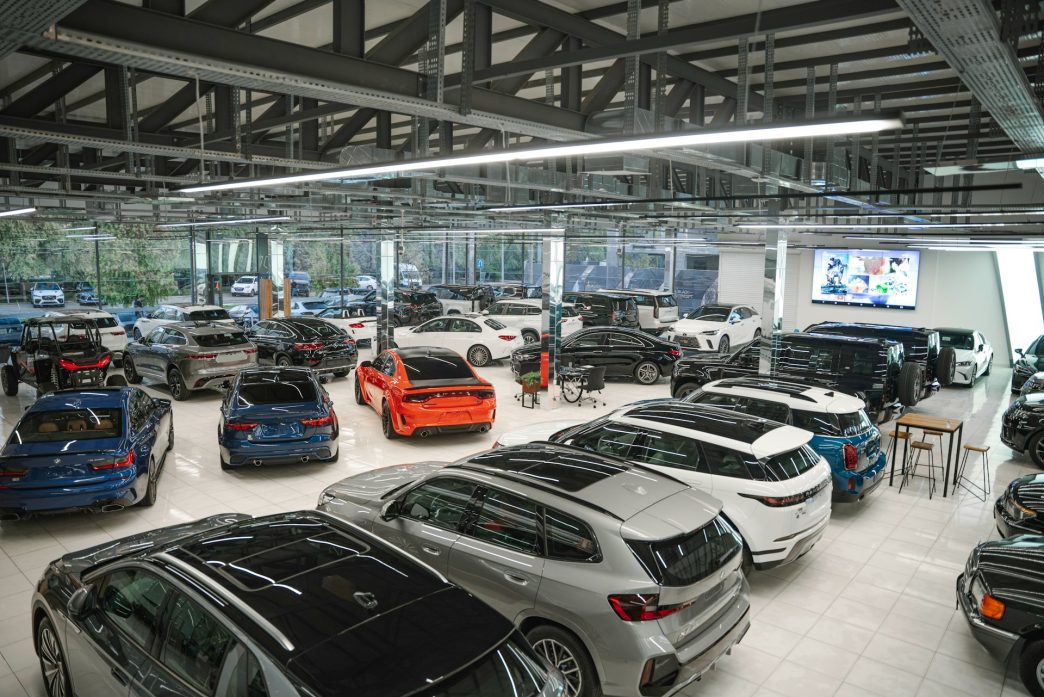
For many car buyers, the first impression of a dealership no longer happens when they walk through the door. It happens online, often days or weeks before they decide to visit in person. Customers are researching vehicles, comparing prices, reading reviews, watching videos, and deciding whether a dealership feels credible long before they step onto the lot.
That means trust has to be built early. A polished showroom still matters, but a strong digital presence is now just as important.
Keep vehicle information clear and honest
One of the quickest ways to lose trust is to make customers feel like key details are being hidden. Vehicle listings should include accurate pricing, mileage, trim information, financing options, availability, and clear photos.
Customers do not want to chase basic information. If they have to call just to confirm whether a vehicle is still available or whether the advertised price is genuine, frustration can build before the relationship has even started.
Clear listings help buyers feel informed and respected. They also make the sales process smoother once the customer does arrive.
Use reviews as social proof
Reviews are one of the strongest trust signals a dealership can have. Buyers want to know how other people were treated, especially when it comes to major purchases like cars.
Dealerships should actively encourage happy customers to leave honest reviews and should respond professionally to both positive and negative feedback. A calm, helpful response to criticism can sometimes be just as powerful as a five-star review because it shows accountability.
Testimonials, case studies, and customer stories can also help show that the dealership values long-term relationships, not just quick sales.
Make your website easy to use
A dealership website should make life easier for buyers. If the site is slow, confusing, outdated, or difficult to use on mobile, customers may assume the buying experience will be just as frustrating.
Important pages should be easy to find, including inventory, financing, trade-in information, service departments, business hours, and contact details. Strong calls to action should guide customers without making them feel pressured.
This is where professional automotive digital marketing from tkmkt.com can support dealerships by helping them create a stronger online presence that attracts, informs, and reassures potential buyers.
Show real people behind the brand
Customers are more likely to trust a dealership when they can see the people behind it. Staff profiles, behind-the-scenes content, community involvement, and short videos can make a dealership feel more approachable.
Rather than relying only on stock images and generic sales language, dealerships should show what makes their team different. Friendly, genuine content helps reduce the uncertainty many buyers feel before visiting.
Offer helpful content, not just sales messages
Trust grows when dealerships provide value before asking for a sale. Blog posts, buying guides, maintenance tips, financing explainers, and comparison content can all help buyers make more confident decisions.
This type of content positions the dealership as a useful resource rather than just a place to buy a car. When customers feel educated instead of pressured, they are more likely to take the next step.
Build confidence before the Visit
By the time a customer arrives at the lot, they should already feel that the dealership is transparent, professional, and worth their time. Clear information, strong reviews, useful content, and a reliable website all play a role in creating that confidence.
Dealerships that build trust before the visit are more likely to attract serious buyers, improve customer relationships, and turn online interest into real-world sales.