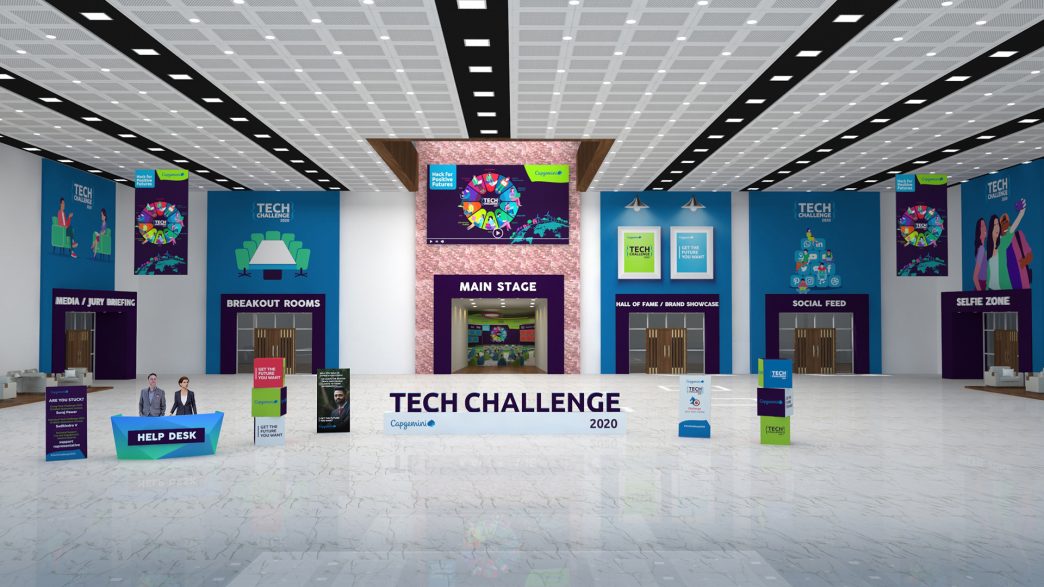
Online events have become a regular part of education, business communication, product launches, training programs, creator communities, and large-scale audience engagement. But as virtual events become more important, many organizations are realizing that simply going live on a public video site is not always enough. This is where a Virtual event platform and Youtube alternatives become important for businesses that need more control, branding, privacy, and monetization.
A Virtual event platform is designed to help organizers host, manage, stream, and control online events in a more structured way. Instead of only broadcasting a video, it gives event teams tools to manage registrations, audience access, live sessions, recordings, viewer engagement, and post-event distribution. For professional events, this additional control can make a major difference.
Public video platforms are useful when the goal is broad reach. They are simple, familiar, and easy for viewers to access. But they are not always built for private training sessions, paid workshops, internal meetings, premium conferences, or controlled learning events. If an organizer wants to restrict access, protect recordings, manage attendees, or maintain full brand control, a more focused setup is often needed.
This is why many businesses search for Youtube alternatives when planning serious virtual events. They may not want unrelated recommendations around their event content. They may not want viewers to be distracted by external links, comments, or competing videos. They may also need better control over where the video appears, who can access it, and how the recording is protected after the event ends.
For example, a coaching institute running a paid live masterclass may want only registered students to attend. A company conducting internal training may want to prevent public sharing. A creator selling premium workshops may want to protect both the live session and the recorded version. In these cases, a simple public broadcast may create risks around privacy, revenue leakage, and content misuse.
A professional virtual event setup should consider the full event journey. Before the event, organizers need registration and access planning. During the event, they need stable live streaming, adaptive playback, chat or interaction options, and viewer control. After the event, they need recordings, secure video access, analytics, and sometimes conversion into on-demand content.
Video reliability is also critical. During a live event, buffering, poor playback, or stream failure can damage the audience experience. A good platform should support adaptive streaming so viewers on different network speeds can still watch smoothly. This is especially important for events with large audiences, mixed device types, or viewers joining from different locations.
Security becomes even more important when the event has commercial or internal value. If a paid event recording is freely shared, the organizer loses revenue. If internal training content is leaked, the company may face confidentiality issues. If premium creator content is copied, the business model suffers. This is why access control and protected video delivery should be part of event planning from the beginning.
vdocipher helps businesses handle secure video delivery for premium video use cases. For virtual events, this becomes useful when organizers want stronger control over recordings, restricted access, protected playback, and reduced piracy risk. Instead of treating the event video as a simple file, vdocipher helps make it part of a controlled video infrastructure.
Another reason businesses look for Youtube alternatives is branding. In a professional event, the viewing experience should feel like part of the organizer’s own platform. The video player, landing page, access flow, and recording library should support the brand rather than push users toward an external ecosystem. This is especially important for paid communities, education businesses, and enterprise training portals.
Analytics are also valuable. Event organizers need to know how many people joined, how long they watched, where drop-offs happened, and which sessions performed best. These insights help improve future events, identify engaged users, and measure content impact. A controlled video setup can provide more useful data than a generic public upload workflow.
In short, a Virtual event platform gives organizers structure, while Youtube alternatives give them more control over privacy, monetization, branding, and content ownership. Public platforms may be useful for reach, but professional events often need stronger access control, better viewer management, and secure post-event video handling.
For businesses where events are tied to revenue, learning, training, or private communication, the platform choice should not be based only on convenience. It should support smooth playback, audience control, secure recordings, and long-term content value. vdocipher helps businesses build this kind of secure video foundation so their virtual events can remain professional, controlled, and protected beyond the live session.