Storms don’t care about your schedule. They hit when they hit, and your commercial roof is almost always the first thing that pays the price. Hail punching through membrane surfaces, wind ripping up flashing, debris tearing through layers you can’t even see from the ground. When the dust settles, the pressure to act fast collides hard with the fear of making the wrong call.
Here’s what most property owners don’t realize: the decision isn’t just about fixing what broke. It’s about knowing how much broke, whether repairs will actually hold, and who you can genuinely trust to tell you the truth. Getting that right, quickly, is what protects your tenants, your assets, and the financial health of the building itself.
In 2024 alone, 27 U.S. catastrophe events each topped $1 billion in damages, a pattern Munich Re characterizes as a troubling acceleration in both frequency and cost. That’s not a footnote. That’s a warning.
Understanding what a structured approach to commercial roofing storm damage restoration actually looks like, from the first post-storm inspection through final repair or replacement, can be the difference between a two-week recovery and a six-month operational nightmare.
Acting fast matters. But acting smart matters more. Let’s walk through exactly what that looks like.
Understanding Commercial Roofing Storm Damage
Before you can make any restoration decision, you need a clear picture of what you’re actually dealing with. Storm damage on commercial roofs is sneakier than most people expect, and more varied.
Common Causes and the Signs You Might Miss
Wind, hail, flying debris, and sustained heavy rain top the culprit list. Hail punches through membrane surfaces. Wind peels up flashing and pulls seams apart. Debris tears through roofing layers in ways that aren’t always visible from street level, or even from a rooftop walkthrough.
Understanding how each element affects roofing systems is often the first step toward effective commercial roofing storm damage restoration.
The obvious signs are easy enough to spot: cracked or missing membrane sections, dented metal panels, and standing water that wasn’t there before.
But the hidden damage? Saturated insulation, compromised deck boards, weakened seams, that stuff quietly destroys a roof from the inside out, long after the storm has moved on.
As one industry source notes, most building owners had no idea their roof was damaged until a deal stalled, a leak appeared, or a tenant complained. By then, you’re playing catch-up on a problem that had weeks or months of a head start.
What It Actually Costs Your Operations
Even moderate damage creates real business disruption. Water intrusion shuts down areas, ruins inventory, and opens you up to tenant liability claims. A damaged roof isn’t just a maintenance issue; it’s a business risk that compounds the longer you ignore it.
Repair or Replace? The Factors That Actually Drive That Decision
Not every storm calls for the same response. Two buildings on the same block can sustain the same storm and need completely different solutions. Here’s what shapes that call.
Damage Extent and Roof Age
When storm damage affects more than 30% of a commercial roof’s surface area, replacement typically becomes more cost-effective than repair. But raw percentages don’t tell the whole story.
A six-year-old TPO membrane with isolated hail strikes is a completely different conversation than a 20-year-old system that’s been patched three times already. Age and condition together determine whether repairs are a real fix or just an expensive delay.
Material Type and Insurance Reality
Different materials respond to storms in genuinely different ways. Metal roofing can take significant wind hits without losing its waterproofing integrity. EPDM membranes, on the other hand, can hide punctures that won’t show up until the next rain.
Your insurance policy adds another layer; some favor repair, others support full replacement once documented damage hits certain thresholds. Knowing what your policy actually says before you talk to a contractor changes everything about how you negotiate.
The Post-Storm Inspection: Your Most Important First Move
A proper inspection isn’t a quick visual sweep. It’s a structured, documented evaluation, and it becomes the foundation for every decision and insurance conversation that follows.
What Certified Inspectors Actually Do
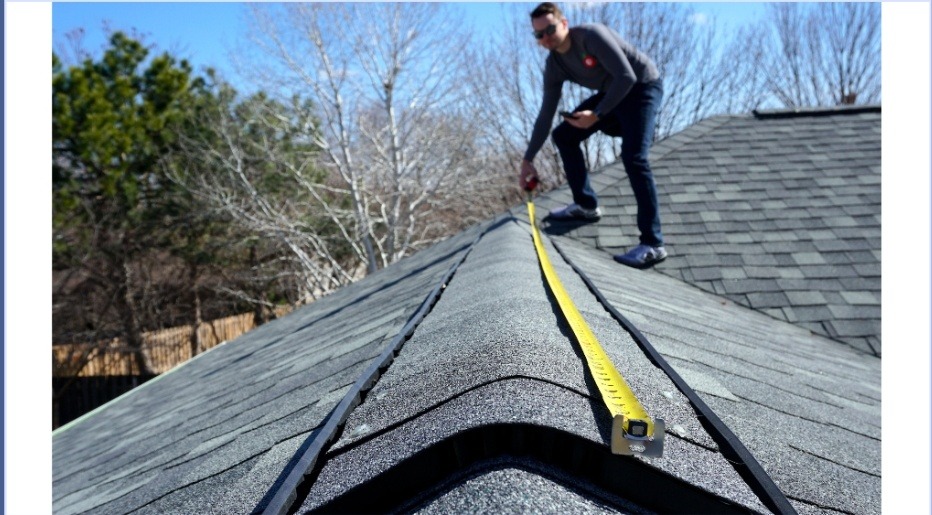
Reliable storm damage roofing contractors bring moisture meters, infrared scanning, and detailed photography to the job. They’re not just looking at the surface; they’re checking drainage systems, flashing points, seams, penetrations, and the structural deck underneath.
The naked eye misses a lot. Professional tools don’t.
Documentation Is What Makes or Breaks Your Claim
Every single finding needs time-stamped photos, written reports, and material samples where applicable. This is non-negotiable.
Insurance carriers reduce or deny payouts based on documentation gaps, not just damage levels. Incomplete records leave you absorbing costs that your policy should have covered.
Immediate Steps After the Storm Hits
Speed genuinely matters here. Every hour without protective action gives water another opportunity to penetrate deeper, spread further, and create damage your inspection hasn’t even found yet.
Emergency Mitigation First
Get occupants away from any areas beneath suspected roof damage. Deploy temporary tarps or emergency coverings before a full assessment is complete; don’t wait.
Document everything as you go: photos, timestamps, internal incident reports.
Starting Your Long-Term Plan Early
Temporary fixes buy time. They’re not a strategy. Your roof restoration planning should begin the moment emergency mitigation is in place. Contact your insurance carrier, initiate your claim, and get a certified inspection scheduled within the first 24 to 48 hours.
Waiting longer doesn’t just delay recovery; it can actually reduce what your carrier will pay.
Storm Damage Roof Repair: When It Works and When It Doesn’t
Repairs are often the fastest path forward, but only under the right conditions. Getting this wrong is an expensive mistake.
The Right Conditions for Repair
Targeted repairs make sense when damage is genuinely isolated, the existing system is relatively young, and the structural deck underneath is solid. Membrane patching, flashing replacement, and seam re-welding can restore full waterproofing at a fraction of what full replacement costs. Fast, effective, done.
Where Repairs Fall Short
Here’s the honest part: repairs don’t always hold when the surrounding material is aging or saturated. Patchwork fixes can void manufacturer warranties if not executed to spec.
And in cases where a roof requires repeated repair cycles, you’ll often spend more over three years than a single replacement would have cost up front.
When Full Replacement Is the Right Answer
Some storms push a roof past the point where repairs make any practical sense. Recognizing that line early saves significant money down the road.
Clear Signals That Point to Replacement
Full commercial roof replacement makes sense when structural decking is compromised, when widespread membrane failure is documented across multiple sections, or when the roof has simply lived its designed service life. At that point, repairs stop being solutions and start being cycles of diminishing returns.
What Modern Replacement Systems Actually Offer
Today’s options, impact-resistant TPO, cool roofing membranes, reinforced metal systems, perform meaningfully better in severe weather than what was standard a decade ago. A new roof also resets your warranty entirely. That’s real financial value, not just a technical detail.
Repair vs. Replacement: A Practical Cost Comparison
| Factor | Repair | Replacement |
| Upfront Cost | Lower | Higher |
| Long-Term Value | Variable | Strong |
| Warranty Impact | May limit | Full reset |
| Best For | Minor, isolated damage | Widespread or aging roofs |
| Insurance Support | Partial claims | Often fully covered |
Delaying either option almost always costs more in the end. Water intrusion compounds fast, and insurance carriers may reduce settlements if mitigation was unreasonably delayed.
Choosing Contractors You Can Actually Trust
Even a perfect restoration plan falls apart with the wrong crew executing it. Storm damage roofing contractors should hold manufacturer certifications, bring verifiable commercial project experience, and hand you a fully transparent written estimate before any work begins.
Ask directly about their documentation process, timeline commitments, and what warranties they back. Red flags are clear: vague scopes of work, no written contract, or pressure to sign anything before the inspection is complete.
Preventing the Next Round of Storm Damage
Regular maintenance extends a roof’s typical lifespan by 5 to 10 years. That’s a measurable financial return for something as straightforward as scheduling consistent inspections and addressing minor issues before storms arrive.
Installing impact-resistant membranes and reinforcing edge flashing are smart, cost-effective upgrades that consistently pay off when severe weather returns.
Make the Right Call for Your Building
Commercial roofing storm damage is never a small problem, but it’s absolutely a manageable one with the right information and the right people in your corner. Whether targeted repairs handle the job or full replacement is the smarter move; acting quickly and working with certified professionals is what determines your outcome. Don’t let hesitation turn something recoverable into a full operational crisis. Your building deserves a decisive response, not a wait-and-see approach.
Frequently Asked Questions
-
How much roof damage justifies full replacement rather than repair?
Hail damage typically warrants full replacement when an insurance adjuster identifies 7 to 10 functional impact marks within a 10-foot by 10-foot test square, when damage covers 25% or more of any roof plane, or when hail has measurably compromised the roof’s ability to shed water. Any combination of those factors generally tips the decision toward replacement.
-
Can commercial insurance cover a complete reroofing after storm damage?
Yes, most commercial property policies cover full replacement when documented storm damage meets the policy’s established threshold. Working with experienced storm damage roofing contractors who understand insurance documentation processes significantly improves both claim outcomes and final payout amounts.
-
Are newer commercial roofing systems genuinely more storm-resistant?
Considerably so. Modern impact-resistant membranes, reinforced fastening systems, and updated installation standards make today’s commercial roof replacement options meaningfully more resilient than systems installed 15 or more years ago. The performance gap is real and measurable.