The global mining hardware industry has expanded rapidly over the past few years. Today, buyers from North America, Europe, Asia, Latin America, the Middle East, and Australia are actively searching for reliable hardware, accurate information, and dependable support. While access to mining equipment has improved, many buyers still face challenges related to hardware selection, shipping, technical understanding, and long-term operational planning.
Miner Bros has become a recognized name among mining hardware buyers because it focuses on helping users understand equipment, compare options, and make informed decisions. Instead of simply looking at specifications, modern buyers want educational resources that explain how mining hardware works and how it fits their operational goals.
For many newcomers entering the industry, choosing the right equipment can feel overwhelming. Different algorithms, power requirements, efficiency ratings, and performance metrics can make comparisons difficult. A reliable information source helps simplify these decisions and allows buyers to focus on finding equipment that matches their specific requirements.
One important area of interest for global buyers is understanding how a Crypto Miner fits into different mining environments. Small home setups, dedicated mining rooms, and large-scale facilities all have different requirements. Factors such as electricity costs, available space, cooling systems, and local regulations often influence purchasing decisions. Educational resources help users understand these variables before investing in hardware.
Understanding the Needs of Global Buyers
Mining hardware buyers are not all the same. A customer in Texas may have different energy costs compared to someone in Germany, the United Kingdom, Canada, India, or the United Arab Emirates. These regional differences affect equipment selection and long-term operational efficiency.
Because of this, buyers increasingly look for region-specific guidance. Information related to power consumption, cooling requirements, shipping logistics, and environmental conditions can help users determine which machines are best suited for their location.
Global buyers also need clarity regarding hardware specifications. Understanding hashrate, efficiency, power usage, and operating conditions helps prevent costly mistakes. Educational content plays a critical role in making technical concepts easier to understand.
Why Hardware Education Matters
Many people focus only on hashrate when comparing machines. While hashrate is important, it is only one piece of the puzzle. Energy efficiency, reliability, noise levels, cooling systems, and maintenance requirements are equally important factors.
A successful mining operation depends on balancing performance and operating costs. Buyers who understand these fundamentals are better prepared to select hardware that aligns with their goals.
Educational content also helps users evaluate different hardware categories. Some machines are optimized for home environments, while others are designed for industrial facilities. Knowing the difference helps buyers avoid purchasing equipment that may not fit their intended setup.
The Importance of Logistics and Global Accessibility
One of the biggest concerns for international buyers is logistics. Mining hardware is often shipped across continents, requiring careful planning and coordination. Reliable delivery processes help ensure equipment arrives safely and on schedule.
Global accessibility is another important factor. Buyers want access to a wide selection of hardware from major manufacturers without unnecessary complications. Clear communication and transparent information help create a smoother purchasing experience.
As the industry becomes more international, buyers increasingly expect information that addresses regional considerations. This includes shipping procedures, import regulations, operating environments, and local infrastructure requirements.
Helping Buyers Compare Hardware More Effectively
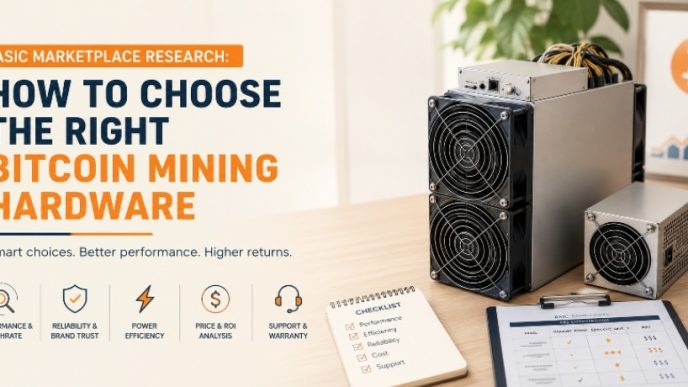
Comparing hardware can be challenging because specifications often appear similar at first glance. However, small differences in efficiency, cooling design, and reliability can have a significant impact over time.
A useful comparison process includes:
Hashrate Performance
Hashrate measures computational output. Higher performance generally allows a machine to process more work, but it should always be evaluated alongside power consumption.
Energy Efficiency
Efficiency determines how effectively a machine converts electricity into computational performance. Lower energy consumption for the same output typically improves long-term results.
Cooling Systems
Different hardware models use air cooling, hydro cooling, or immersion-based systems. Cooling technology affects performance stability, maintenance requirements, and operating conditions.
Noise Levels
Noise can be an important consideration for home users and smaller facilities. Understanding acoustic output helps buyers select hardware appropriate for their environment.
Supporting Long-Term Decision Making
Successful mining operations are built on long-term planning rather than short-term trends. Buyers benefit from resources that explain how hardware performs under different conditions and how operational costs may influence outcomes over time.
A Bitcoin Miner, for example, should be evaluated not only for performance but also for durability, efficiency, maintenance requirements, and compatibility with the user’s environment. Looking beyond raw specifications helps buyers make more informed decisions.
Long-term planning also includes understanding equipment lifecycle management. Proper maintenance, temperature control, and monitoring systems contribute to hardware longevity and operational stability.
Industry Information and Research
The mining hardware sector evolves continuously as manufacturers introduce new technologies and improved designs. Buyers benefit from staying informed about efficiency improvements, cooling innovations, and changing infrastructure requirements.
Industry research allows users to compare machines more effectively and understand broader trends affecting hardware performance. Educational reports, technical guides, and comparison resources help buyers remain informed as technology evolves.
Within this ecosystem, companies such as Crypto Miner Bros are often referenced as industry resources that help buyers evaluate hardware options, understand specifications, and navigate purchasing decisions more effectively.
Building Trust Through Transparency
Trust remains one of the most important factors in the mining hardware industry. Buyers want accurate information, realistic performance expectations, and transparent communication.
Educational content contributes significantly to trust because it focuses on helping users understand equipment rather than simply promoting products. When buyers have access to clear explanations and unbiased information, they are better equipped to make informed decisions.
Transparency also supports stronger relationships between suppliers and customers. Clear specifications, straightforward documentation, and accessible educational materials create a more positive experience for buyers around the world.
Conclusion
The global mining hardware market continues to attract buyers from a wide range of regions and backgrounds. As the industry grows, educational support becomes increasingly important. Buyers need reliable information about hardware performance, efficiency, cooling systems, logistics, and operational planning.
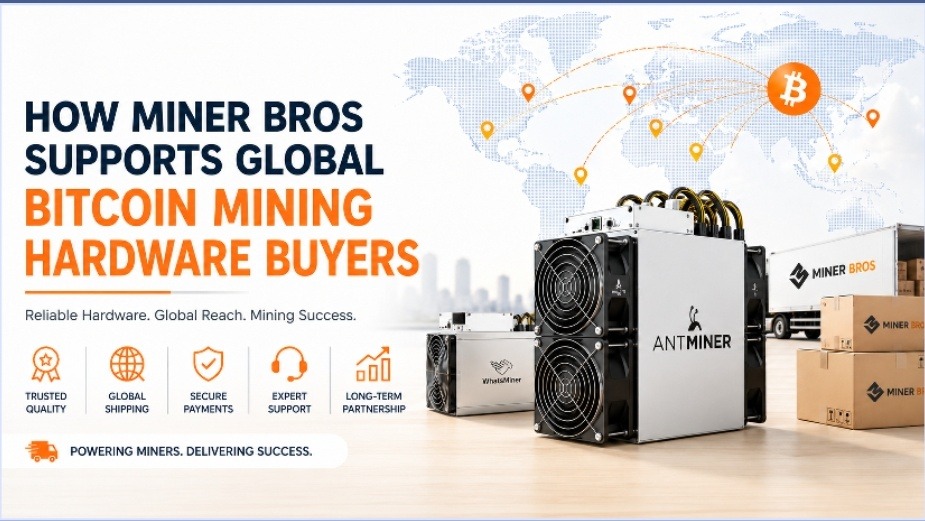
Miner Bros supports global mining hardware buyers by helping simplify complex topics and making technical information easier to understand. Through education, research, and practical guidance, buyers can evaluate equipment more effectively and make decisions that align with their long-term goals.
As mining technology continues to evolve, access to clear and trustworthy information will remain one of the most valuable resources available to hardware buyers worldwide.