Here’s something nobody tells you when you’re staring at a flat, forgettable living room: the fix might literally be rolled up in your hallway closet. Layering area rugs has become one of the most electric interior design trends of the past few years, and honestly, it makes total sense why. Searches for “layered rugs” have doubled year-on-year in the UK, and the momentum isn’t slowing down. If your space feels cold, uninspired, or just kind of blah, stacking rugs might be the move you didn’t know you needed.
The Visual Punch Layered Rugs Actually Deliver
Honestly, few decorating decisions hit as hard as this one. Layering living room area rugs adds instant dimension, warmth, and personality, often without moving a single piece of furniture or painting a single wall. It’s one of those rare tricks that looks expensive and feels effortless once you understand the logic behind it.
They Create a Focal Point You Can Actually Feel
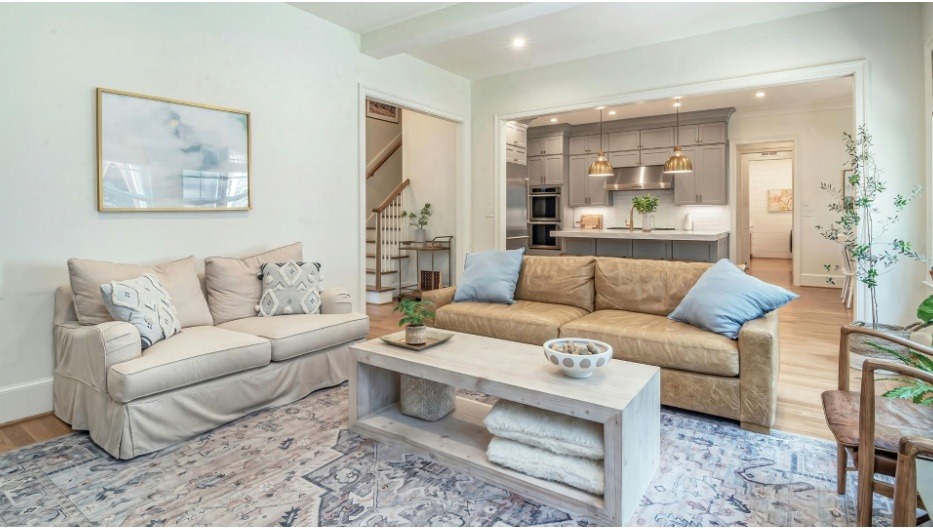
A well-layered rug pulls the eye immediately. Drop a smaller, patterned rug over a neutral base, and suddenly your seating area has an anchor, a visual center that no standalone rug can replicate on its own. It works every single time.
Depth and Texture Become Tangible
Pairing a flat-weave base with something plush on top creates a kind of layered richness that photographs honestly can’t capture. You have to stand in the room. You have to feel it underfoot. That’s the whole point.
Your Furniture Looks Intentional, Not Accidental
A layered arrangement beneath your sofa and coffee table frames everything around it. Suddenly, your furniture grouping looks curated rather than randomly dropped. Even a fireplace or bay window gets quietly highlighted just by proximity to a thoughtful rug arrangement.
Flexibility That Actually Fits How You Live
Beyond the visual impact, here’s what really makes this trend stick: you can change it. Layering living room area rugs gives you the freedom to reinvent your space seasonally, without repainting, without redecorating, without losing a weekend to a furniture overhaul.
Seasonal Color Swaps Are Stupid Easy
Keep your base rug in place and rotate only the top layer. Rich burgundies for fall? Done. Pale linen tones for spring? Also done. It takes twenty minutes and costs a fraction of what any other room refresh would run you.
Winter Warmth, Summer Breezes, Same Room
A chunky wool topper in December feels genuinely cozy. A thin jute or cotton layer in July keeps things light and breathable. Same base. Different vibe. Brilliant system.
No Major Overhaul Required, Ever
This is wildly underrated. Swapping your top rug shifts the entire personality of a room almost overnight. No contractors, no paint fumes, no regret.
Your Feet Are Going to Love This
Let’s talk about something a little more tactile. Hard floors , especially in older homes , can feel punishing in winter. Layered rugs fix that. Two stacked layers create a cushioned surface that genuinely feels luxurious underfoot. Not “Instagram luxurious.” Actually luxurious.
Sound Absorption Is a Real, Underrated Perk
Multiple rug layers muffle footsteps and absorb ambient noise more effectively than a single rug ever could. That hollow echo you get in open-plan spaces? It softens dramatically. Conversations feel warmer. The room feels quieter. It’s subtle until it isn’t.
The Personalization Factor Is Huge
Here’s the thing about layered rugs: they tell people something about you. A geometric topper over a vintage Persian base signals creative confidence. Tonal, understated pairings feel quietly sophisticated. Neither approach is wrong. Both are genuinely interesting.
Mixing Patterns Sounds Scary. It Isn’t.
The best rug layering tip you’ll ever get: keep at least one color consistent across both rugs. Do that, and you can mix a tribal print with a modern geometric and have it look completely intentional. Bold choices reward bold decisions here.
Vintage Meets Modern, Effortlessly
A flat-weave contemporary rug layered over an antique kilim creates a design dialogue that feels both collected and personal. Interior designers do this constantly. You can too.
Budget-Friendly in Ways That’ll Surprise You
Designer-level results don’t require a designer budget. Some of the most stunning layered arrangements cost almost nothing, because they start with what you already own.
That Old Rug in Storage? Use It.
Seriously. A worn Persian or faded tribal rug makes a phenomenal base layer for something new. Upcycling what you already have is economical and surprisingly effective. Pull it out, throw a fresh topper on it, and watch the room transform.
A Jute Base Plus One Statement Rug Beats New Furniture
A large, affordable jute rug as a foundation costs a fraction of what new furniture or flooring runs. Layer a second, smaller statement rug on top, and you’ve doubled the visual interest for maybe $150 total. Full carpet replacement can cost thousands. This doesn’t.
Solving the Open-Plan Problem Everyone Has
Modern homes are gorgeous, but open-plan living creates a real challenge: how do you define spaces without putting up walls? Layered living room area rugs solve this beautifully.
Visual Zoning Without a Single Renovation
Layering a smaller rug on a larger base creates a defined inner zone that visually communicates where people should gather. Guests instinctively understand the boundary. No walls needed.
Furniture Stops Floating
Furniture without a rug beneath it looks adrift. A layered arrangement grounds everything, the sofa, chairs, and coffee table, and makes the whole grouping feel purposeful rather than randomly placed.
Floor Protection You’re Probably Not Thinking About
Here’s a practical benefit that doesn’t get nearly enough attention. Double rug layers absorb impact and reduce friction against whatever’s underneath, hardwood, laminate, or even carpet. High-traffic zones especially benefit from that added buffer.
Always use a quality rug pad between layers. It prevents slipping, protects your floors, and is genuinely important if you have kids or elderly family members in the home.
What’s Trending Right Now in Layered Rugs
Natural jute rugs saw a 60% sales spike from January to April 2025, which tells you something important: base layer choices are shifting toward organic, textural materials. Pair jute with a wool or hide topper for serious contrast.
Color-blocking is also having a moment. A cream base beneath a deep teal topper sounds aggressive, but with the right proportions, it lands as surprisingly elegant. And oversized base rugs that extend well beyond the furniture footprint? They create a sense of generous scale that makes even a modest room feel expansive.
Expert Tips on Proportion and Placement
In smaller rooms, keep the base large and the top layer noticeably smaller; roughly two-thirds the size of the base works well. In larger rooms, both rugs can be generous without crowding each other.
For placement: front legs of your sofa resting on the base rug, with the top layer centered under the coffee table. Simple rule. Enormous difference.
Maintenance That Actually Makes Sense
Lift the top layer before spot-cleaning the base , always. Moisture trapped between layers causes mold and odor faster than you’d expect. Rotate both layers every three to six months so sunlight and foot traffic wear them evenly. Use breathable rug pads and ensure good airflow, especially in humid rooms.
The Eco-Friendly Angle Is Worth Considering
Wool, jute, sisal, and cotton are all natural, biodegradable materials. Eco-friendly rug usage in the market has increased by 31%, with pet-friendly rug demand rising 30%. Old kilim throws, vintage tapestries, and repurposed fabric runners all work brilliantly as DIY top layers. Creativity matters more than budget here, always has.
Real Rooms, Real Results
Readers who’ve tried this consistently report the same thing: what felt sparse and cold became warm, layered, and genuinely inviting, often with a total spend under $200. Side-by-side comparisons say it all. Rooms with layered rugs simply look more designed, more intentional, and more expensive. It’s one of the highest-impact-per-dollar moves in home decorating, full stop.
Go Ahead, Your Living Room Is Ready
Layering living room area rugs is one of the smartest, most accessible things you can do for your space right now. More comfort underfoot. More personality on display. More flexibility between seasons. Better-defined zones. Protected floors. Real style, without the designer invoice. Start with two rugs you already own. See what happens. You’ll be surprised how quickly a room can change when you stop looking for one perfect rug and start thinking in layers instead.