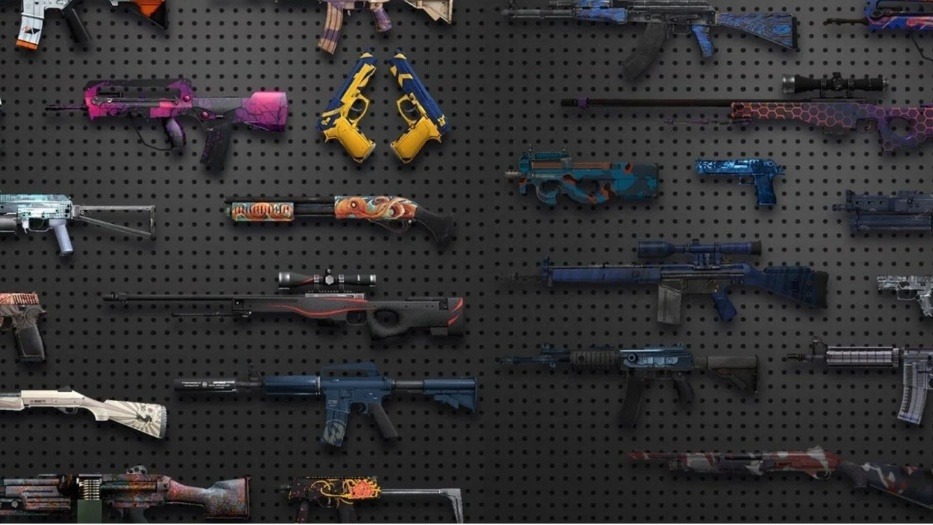
The global gaming landscape has shifted dramatically from a hobby centered around isolated entertainment into a massive, highly connected digital economy. Virtual goods such as character outfits, weapon patterns and special trophies were restricted to their respective games, and had no real value other than cosmetic. The landscape is significantly different nowadays, however, with the speedy growth of sophisticated third party software platforms. Today’s players do not consider their achievements and cosmetic collections in-game and deem them a lost capital, but rather treat them as personal assets that can be used to buy things in the real world. This continuous mutation has completely changed the way people approach interactive media, and now it’s a full-fledged financial exchange.
The Rise of High-Speed Automated Trading Architecture
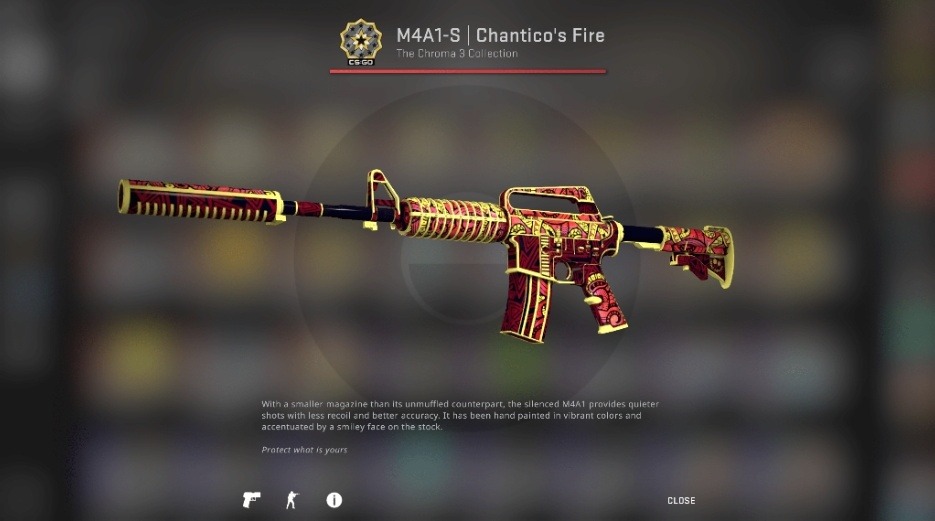
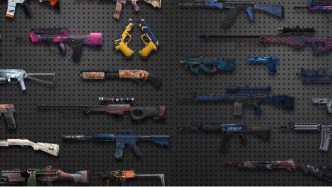
This modern economic shift is mostly fuel by the creation of secure external infrastructure that circumvents slower peer to peer transactions. Successful active buyers could be hard to find in traditional trading systems, and it took days for the response.In traditional trading systems, it could sometimes take days to find active buyers, and they might even be scams or the market could be unstable. Utilizing specialized transactional platforms like SkinFlow eliminates this operational friction completely by utilizing automated Steam bot networks. These high-end digital environments enable players to trade or sell rare weapon skins instantly, with a true-to-life global value that’s displayed transparently. Direct cashout options to popular payment platforms or various cryptocurrencies enable players to easily move their gaming fortune directly to the real world while maintaining security.
Shifting Consumer Mindsets Toward Asset Ownership
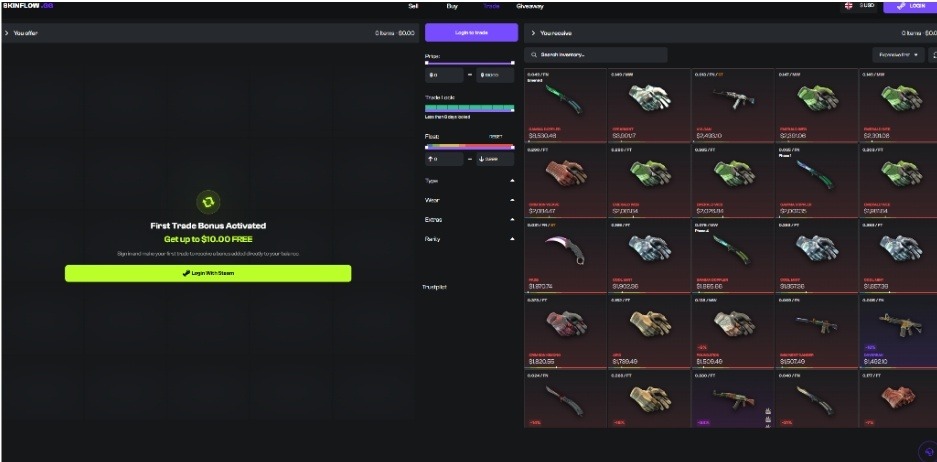
As virtual marketplaces become increasingly accessible, the psychological relationship between players and their digital property is undergoing a massive transformation. Today’s players have a very analytical approach to in game purchases, and rare cosmetics are now considered an investment asset. Factors such as item scarcity, visual wear conditions, and professional tournament history systematically dictate the actual liquidity of an inventory. Players know that they can sell their virtual gear in real world money, so they’re much more inclined to use real money to purchase high quality vanity pieces. This deep financial security fosters a vibrant ecosystem where player items function as a stable form of alternative currency.
Consolidating Fragmented Digital Inventories Efficiently
The virtual good economy was a very fragmented one until specialized third party trading hubs were introduced. Players who wanted to upgrade their equipment or cash out their collections had to navigate confusing regional restrictions and inflated platform commissions that eroded overall item values. Modern marketplace developers solve this structural issue by establishing centralized, high volume environments that support thousands of successful transactions daily. Flat and transparent fees enable users to keep the maximum value on each and every automated exchange. A logistical benefit that allows players with many heavy items or many casual players to easily maintain their huge collections without suffering any unexpected financial loss.
Expanding Commercial Activity Across Global Networks
Digital item marketplaces, however, have far-reaching macroeconomic implications that transcend player inventories and open up new job markets worldwide. Today, there are full-time virtual fashion professionals who’re working as independent market analysts and digital asset brokers.Today, there are full-time businesses built around virtual fashion trends, which are run by professional item traders and dedicated digital asset brokers. These market pros use the cutting edge tracking indexes to keep track of price changes every day for the different categories of items, such as knives, gloves, and rare collectibles stickers. This continuous commercial operation ensures the game industry has an incredible amount of liquidity, turning the average multiplayer game into an extremely sustainable financial entity; capable of weathering the winds of change in the global economy without problem.
Conclusion
Digital item marketplaces are shifting the future of the worldwide gaming sector by changing cosmetic customisation right into a highly liquid and dynamic economy. Progressive platforms streamline market participation, maintaining it extremely secure and easy for contemporary customers, by removing conventional transaction delays and implementing automated bot technology. As ownership of virtual assets becomes increasingly recognised, the value of investing in a game extends beyond the virtual realm of boundaries. Combining entertainment with advanced digital commerce is an incredibly functional combination that can provide benefits to the entire global community. Supporting these innovative marketplace structures guarantees that the gaming world remains an incredibly versatile and prosperous economic frontier for decades to come.