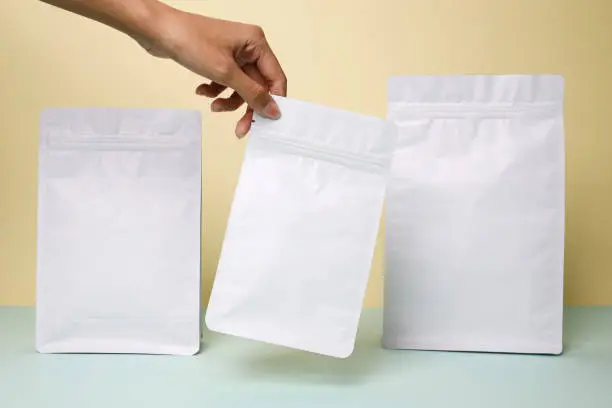
Food brands are under growing pressure to deliver packaging that protects product quality while also supporting sustainability goals. Customers want freshness, convenience, and clear branding, but many also want to feel better about the environmental impact of the products they buy. For food companies, that creates a real challenge: packaging must preserve flavor, texture, aroma, and shelf life without feeling wasteful or outdated.
This is where sustainable Mylar-style packaging options can help. Brands that use mylar bags for food storage often choose them because they offer strong barrier protection for dry goods, snacks, coffee, powders, grains, and pantry staples. The right structure can help reduce exposure to oxygen, moisture, light, and odor transfer, which helps keep food fresher for longer.
For eco-focused brands, the goal is not only to protect the product. It is to choose packaging that uses materials more responsibly, reduces excess weight, and supports a more efficient supply chain. ePac helps brands explore flexible packaging structures that balance product protection, shelf appeal, and sustainability-minded design.
Recyclable and PCR-Based Films That Reduce Environmental Impact
Sustainable packaging starts with material choices. Traditional food packaging often uses multi-layer structures because different layers perform different jobs, such as blocking moisture, improving durability, or preserving aroma. For many products, those performance needs are still essential. However, brands now have more options for building packaging strategies that reduce environmental impact while still protecting food quality.
Recyclable films can be a strong choice for brands looking to improve the end-of-life profile of their packaging. Depending on the product’s needs, recyclable flexible packaging structures may help reduce reliance on formats that are harder to recover. While recyclability can depend on local collection and processing systems, designing with recyclability in mind is an important step for brands that want to align packaging with consumer expectations.
PCR-based films, or post-consumer recycled films, are another option. These materials use recycled plastic content, helping reduce demand for virgin plastic. For brands with sustainability commitments, incorporating PCR content can be a practical way to show progress while maintaining the benefits of flexible packaging. It also gives companies a clearer story to share with retailers and consumers.
The key is choosing the right film for the product. A crunchy snack may need moisture protection. A dried fruit product may need strong seals and oxygen control. A powdered ingredient may need a structure that prevents clumping. Coffee packaging often needs aroma protection and barrier performance. Sustainable choices should never compromise the customer experience. If food spoils faster because packaging is not protective enough, the environmental cost of wasted product can be significant.
Brands using flexible food packaging can work with packaging experts to evaluate barrier needs, shelf life goals, pouch format, closures, and sustainability priorities together. The best solution is usually the one that protects the food effectively while reducing unnecessary material use and supporting the brand’s broader environmental goals.
Lightweight Designs That Lower Material Use and Shipping Emissions
One of the biggest sustainability advantages of flexible packaging is its lightweight format. Compared with rigid containers like jars, tubs, cans, or boxes, flexible pouches often require less material and take up less space during shipping and storage. That can help reduce transportation weight, improve pallet efficiency, and lower shipping-related emissions.
Lightweight packaging also supports operational efficiency. More empty pouches can be stored in less space compared with rigid packaging. Finished products can often be packed more efficiently into cartons. For growing food brands, that can reduce warehouse demands, streamline fulfillment, and support more cost-effective distribution.
This matters for ecommerce as well as retail. A lightweight pouch can be easier and less expensive to ship directly to customers. It may also reduce the need for bulky secondary packaging. For brands selling snacks, coffee, pantry staples, or subscription products, packaging weight and volume can have a major effect on both cost and environmental footprint.
Flexible pouch formats also help reduce material waste by matching the package more closely to the product. Brands can choose pouch sizes, film structures, and closure features based on actual product needs. A resealable zipper, for example, can help customers keep food fresh after opening, reducing the chance that the product becomes stale or unusable before it is finished.
Coffee brands are a good example of how sustainability and performance need to work together. Roasted coffee is sensitive to oxygen, moisture, and aroma loss, so packaging must protect freshness while also communicating brand quality. With custom coffee bags, brands can combine strong shelf presence with packaging features designed around freshness, usability, and responsible material choices.
Sustainable Mylar bag options give eco-focused food brands a way to balance performance and responsibility. Recyclable structures, PCR-based films, lightweight formats, and right-sized pouch designs can all help reduce environmental impact while still protecting the product inside.
For modern food brands, packaging is part of the customer promise. It should keep food fresh, look professional, tell the brand story, and reflect the values customers care about. With the right flexible packaging partner, brands can create Mylar-style bags that support freshness, efficiency, and sustainability goals without sacrificing shelf appeal.