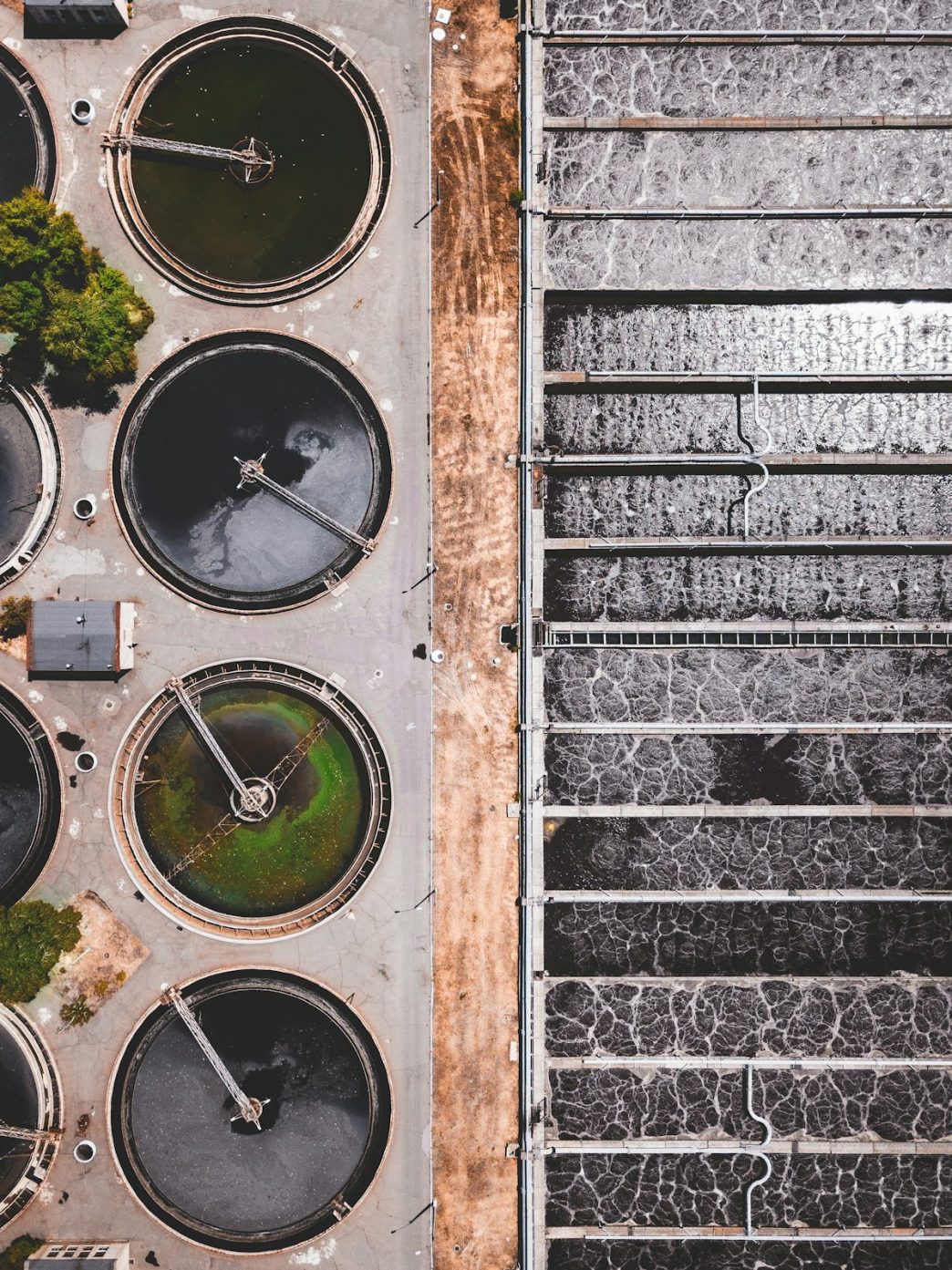
Water quality has become a significant problem for businesses, governments, farms, and environmental groups all over the world. More and more organisations are using digital technologies to better track and control water supplies because populations are growing and environmental laws are becoming stricter.
Traditional methods of testing water often involve sending samples to a lab and doing tests by hand, which can take a lot of time and don’t give fast results when conditions are changing. Thanks to new advancements in sensor technology, cloud computing, and the Internet of Things (IoT), it’s now easier to take a more active and timely approach to managing water resources by continuously monitoring and analysing data in real time. Renkeer is among the companies contributing to this evolution by developing environmental monitoring technologies that support data-driven industrial operations
The Growing Importance of Water Quality Data
Public health, industrial production, environmental protection, and farming all depend a lot on how clean the water is. Water’s use for various tasks depends a lot on things like how warm or cold it is, how salty it is, how acidic or basic it is, how well it conducts electricity, and what other substances are mixed in it.
Without good monitoring systems, organisations might not notice problems like contamination, equipment breakdowns, or changes in the environment until they turn into bigger issues that affect how things run. Because of this, many companies are using connected monitoring systems that provide ongoing information about important water conditions.
Because of the fast growth of industrial IoT, there has been an increase in using advanced IoT devices that can collect and send environmental data more accurately and efficiently than traditional monitoring methods.
How Smart Sensors Improve Water Monitoring
Modern monitoring systems use smart sensors to collect information from water sources automatically and send it to a main management system. This lets operators check past trends and what’s happening now and get automatic alerts from almost any location.
Continuous monitoring helps businesses spot unusual situations faster than doing manual checks now and then. Finding problems early helps reduce the chance of contamination, equipment problems, and not following rules. It allows for faster fixes to be made.
In places where things can change fast, like water treatment plants, factories, fish farms, and environmental research projects, these technologies have been really helpful.
The Role of Multi-Parameter Monitoring Technology
Intelligent sensors are used in modern monitoring systems to automatically gather data from water sources and send it to centralised management platforms. This enables operators to monitor historical patterns, current situations, and automated alarms from almost anywhere.
For example, modern multi-parameter water quality sensors combine measurement capabilities for pH, electrical conductivity, temperature, salinity, and total dissolved solids (TDS) within a single system. This integrated approach simplifies deployment while improving monitoring efficiency.
In environments where circumstances can change quickly, such as water treatment facilities, industrial facilities, aquaculture operations, and environmental research initiatives, these technologies have proved very valuable.
Supporting Long-Term Environmental Monitoring
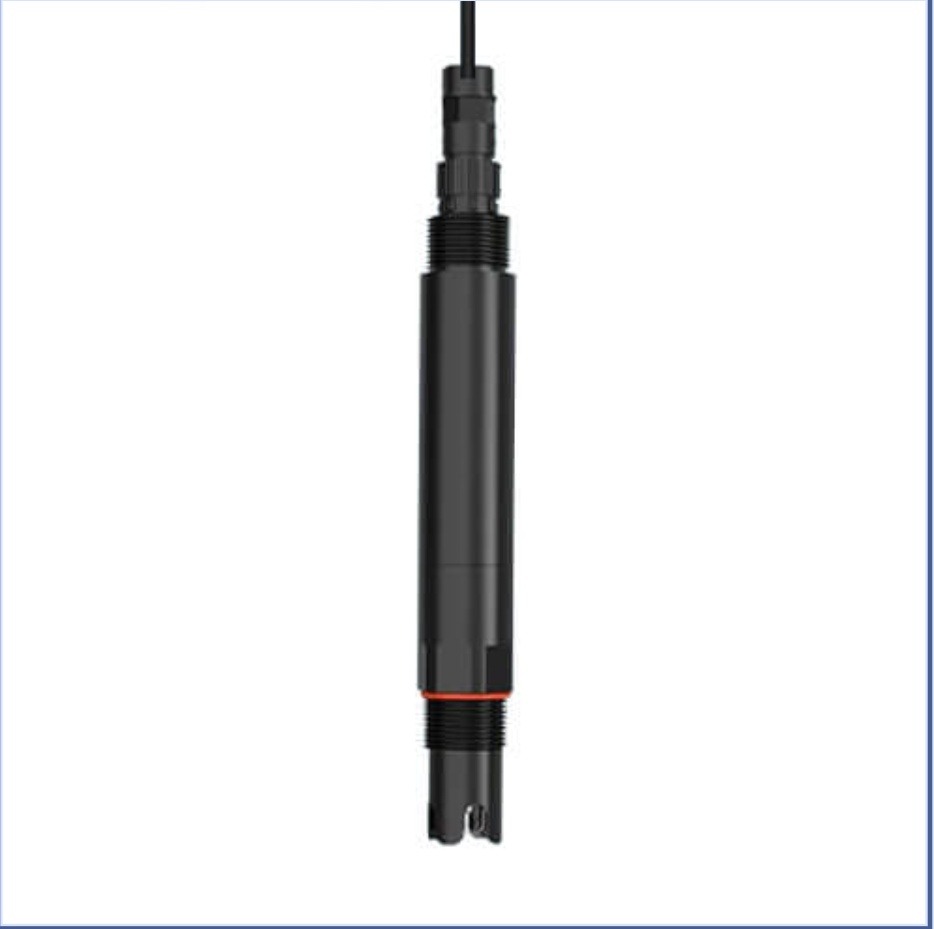
Some environmental monitoring projects require equipment that can work non-stop in tough outdoor conditions. Sensors need to keep working well over a long time even when they are exposed to water, different weather, and changing conditions in the field.
Manufacturers have focused on developing strong monitoring systems that offer better protection and reliability to solve these problems. Being around water for a long time doesn’t harm solutions that have IP68 protection.
Companies such as Renkeer have contributed to this trend by developing environmental monitoring solutions designed to support long-term deployment and remote data collection across diverse industries.
Applications Across Multiple Industries
Smart water quality monitoring has many advantages over conventional environmental management.
Water Treatment Facilities
To maintain water quality requirements and optimise chemical dosing procedures, treatment operators rely on ongoing measurements.
Aquaculture
Monitoring systems are used by fish farms to ensure optimal growing conditions and promptly detect environmental changes that may have an impact on aquatic life.
Agriculture
Data on water quality is becoming more and more important to irrigation management in order to promote crop health and effective resource use.
Industrial Operations
In order to maintain operational consistency and regulatory compliance, manufacturing facilities frequently check wastewater discharge and process water quality.
Environmental Research
Connected monitoring systems are used by scientists and conservation organisations to gather long-term environmental data that helps with sustainability and ecosystem management.
The Future of Intelligent Water Management
Water monitoring systems are getting more complicated because IoT, cloud computing, and artificial intelligence are advancing. In addition to collecting information, future solutions will try to spot possible issues before they happen.
To help operators make smarter decisions, machine learning can look at past data, find unusual patterns, and suggest helpful ideas. These technologies help manage water resources better and in a more lasting way when used with the ability to monitor from a distance.
Organisations that invest in smart monitoring systems today will be better prepared to deal with environmental issues in the future, along with improving their operations and following rules and regulations.
Conclusion
The way businesses manage one of the most important resources in the world is changing because of smart water quality monitoring. Businesses and environmental groups can make their processes more efficient and make better choices by using connected sensors, ongoing monitoring, and advanced analysis to get a clearer picture of water conditions.
For many years ahead, technologies such as connected IoT platforms and multi-parameter monitoring systems will play a key role in helping to manage water in a sustainable way as environmental problems get worse.