Choosing the right tires for your Chevrolet is one of the most important decisions you can make for safety, comfort, and long-term vehicle performance. Tires are the only contact point between your vehicle and the road, meaning their condition and type directly affect braking distance, handling stability, fuel efficiency, and overall driving confidence. Because seasonal weather conditions can change drastically throughout the year, selecting the correct tire type ensures your Chevrolet performs reliably whether you’re driving in hot summer heat, rainy monsoon conditions, or colder winter mornings. Understanding how tire compounds and tread patterns respond to different temperatures helps drivers avoid unnecessary wear and improve road safety in every season.
In many cases, drivers look for trusted service centers and dealerships for professional guidance when selecting seasonal tires. That’s why many Chevrolet owners turn to Tiffin Chevrolet tires for expert recommendations and reliable installation support tailored to local driving conditions.
Understanding Seasonal Tire Types for Chevrolet Vehicles
Before choosing tires, it’s important to understand the three main categories: all-season, summer, and winter tires. Each type is engineered with a specific rubber compound and tread pattern designed for certain temperature ranges and road conditions. All-season tires are the most common because they balance performance in dry, wet, and mildly cold weather. Summer tires are optimized for warm conditions and deliver enhanced grip and handling on dry or wet pavement, but they lose effectiveness in cold temperatures. Winter tires, on the other hand, are designed for freezing conditions, snow, and ice, using softer rubber compounds that remain flexible in low temperatures.
Chevrolet drivers often choose all-season tires for convenience, especially in regions with moderate weather changes. However, understanding when to switch tire types can significantly improve safety and extend tire lifespan.
Why Seasonal Conditions Matter for Tire Performance
Temperature plays a major role in how tires perform. When the temperature drops, tire rubber tends to harden, reducing grip and increasing stopping distances. In contrast, excessive heat can soften tire compounds, leading to faster wear and reduced stability at high speeds.
For Chevrolet vehicles, which are built for a wide range of driving environments—from city commutes to highway travel—matching tire type to season ensures optimal performance. For example, winter tires provide superior traction on icy roads by maintaining flexibility in freezing conditions, while summer tires offer sharper handling and shorter braking distances on hot, dry roads. All-season tires provide a middle ground, but they cannot fully match specialized tires in extreme conditions.
Choosing Tires for Summer Driving Conditions
Summer driving often involves higher road temperatures, long highway trips, and increased tire friction. Summer tires are specifically designed to handle these conditions. They use a rubber compound that remains stable in heat and provides strong grip on both dry and wet roads.
For Chevrolet owners, summer tires enhance steering responsiveness and cornering stability, making them ideal for performance-focused driving. However, they should not be used in cold weather because the rubber hardens, reducing traction and safety. Proper tire maintenance, including regular pressure checks, is also important during summer months because heat can increase internal tire pressure.
Selecting Tires for Winter and Cold Weather
Winter conditions require a completely different approach. When temperatures drop below freezing, road surfaces can become slippery due to snow, ice, or frost. Winter tires are specifically engineered for these challenges. Their deeper tread patterns and specialized rubber compounds help maintain traction even in harsh conditions.
For Chevrolet drivers in colder regions, winter tires significantly improve braking performance and control. They also reduce the risk of skidding during sudden stops or sharp turns. Unlike all-season tires, winter tires remain flexible in low temperatures, which is essential for maintaining road grip. Many drivers switch to winter tires seasonally to ensure safer driving during colder months.
All-Season Tires: A Balanced Option for Everyday Driving
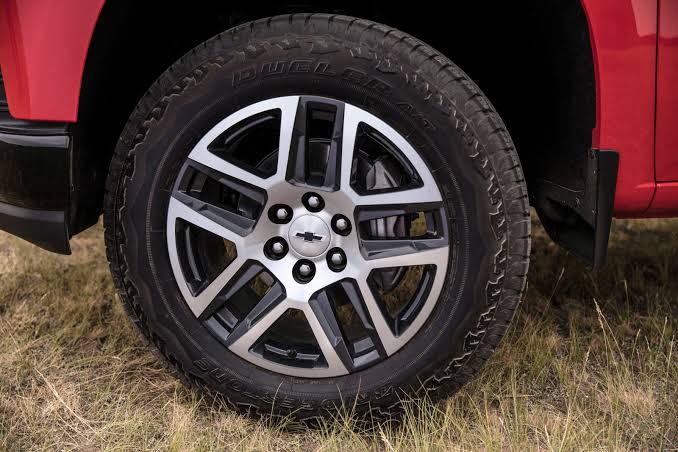
All-season tires are designed to offer a compromise between summer and winter performance. They are suitable for regions with mild or moderate seasonal changes and are commonly used as factory-installed tires on many Chevrolet models.
These tires provide decent traction in rain, light snow, and warm weather, making them a practical choice for drivers who prefer not to switch tires seasonally. However, they do come with limitations. In extreme cold or hot conditions, they do not perform as well as specialized tires. Still, for everyday commuting and general driving, all-season tires offer convenience and durability.
How Driving Habits Affect Tire Selection
Choosing the right Chevrolet tires is not only about weather conditions but also about driving habits. Drivers who frequently travel long distances on highways may benefit from tires designed for durability and fuel efficiency. Those who drive mostly in urban areas may prioritize comfort and quiet performance. Meanwhile, performance-oriented drivers may prefer tires that offer sharper handling and improved responsiveness.
Understanding your driving style helps narrow down tire options and ensures you get the best balance of safety, performance, and cost-effectiveness.
Maintenance Tips for Longer Tire Life
Proper tire maintenance is essential for getting the most out of your Chevrolet tires. Regular tire rotation helps ensure even wear, while maintaining correct air pressure improves fuel efficiency and handling. It’s also important to inspect tread depth regularly, as worn tires reduce traction and increase stopping distance.
Alignment checks are another key factor. Misaligned wheels can cause uneven tire wear and negatively affect steering control. By maintaining your tires properly throughout all seasons, you can extend their lifespan and improve overall vehicle safety.
Conclusion
Selecting the right tires for your Chevrolet based on seasonal driving conditions is essential for safety, performance, and long-term cost savings. Each tire type—summer, winter, and all-season—serves a specific purpose and performs best under certain weather conditions. Summer tires excel in heat, winter tires provide unmatched grip in cold and snowy environments, and all-season tires offer balanced performance for moderate climates.
By understanding how temperature and road conditions affect tire behavior, drivers can make smarter decisions that improve vehicle control and reduce wear. With proper selection and maintenance, Chevrolet owners can enjoy smoother rides, better fuel efficiency, and enhanced safety throughout the year, no matter the season.