Temperature monitoring is one of those things people rarely talk about when everything is running smoothly. For plant managers, choosing a temperature gauge isn’t only about filling out a purchase request. It’s tied directly to uptime, safety targets, maintenance workload, and how smoothly the plant runs week after week. One wrong choice may sit quietly for months and then start creating problems when nobody expects it. And honestly, there are too many options now.
Different ranges, different mounting types, and smart monitoring features. It gets messy pretty fast, especially when teams are already juggling production targets and cost pressure.
The good news is you don’t need to study every option in the market. You just need equipment that fits your process.
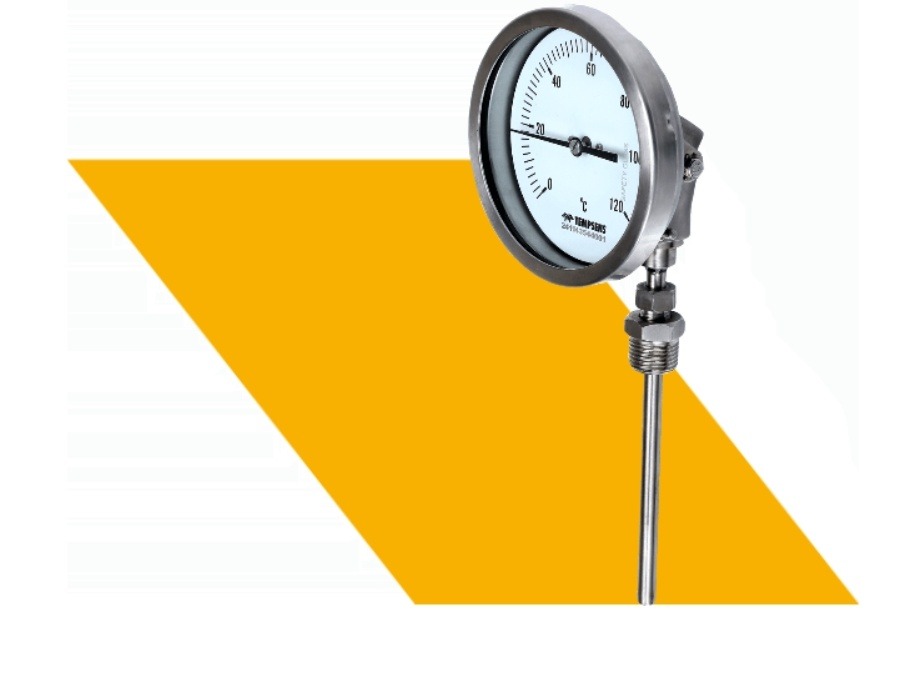
Factors Plant Managers Should Consider About Temperature Gauge Selection
These are the factors that help plant managers in selecting the best temperature gauge:
1. Start With Accuracy
Accuracy is important. Still, not every application needs extremely precise readings.
- Before choosing a temperature gauge, pause and ask:
- How much variation can the process handle?
- Will incorrect readings create safety concerns?
- Are audits or standards involved?
Some facilities spend extra on higher precision because it feels safer.
Sometimes that’s the right call.
Sometimes it’s just extra spending.
2. Normal Operating Temperature Isn’t the Full Story
This catches teams more often than you’d think. People select equipment around average conditions and forget everything else. Startup periods, shutdown cycles, sudden spikes, and seasonal changes. Then the instrument keeps working near its upper limit all day. That usually brings trouble later.
Try writing down:
- Lowest operating temperature
- Highest expected value
- Temporary peak events
- Conditions around the installation point
A temperature gauge running comfortably inside its working range tends to last longer and stay stable.
3. Plant Conditions Matter
Industrial sites aren’t exactly gentle places. There are steam lines, dust, chemical exposure, oil mist, and constant vibration. Sometimes, all in the same section of the plant, which honestly makes selection trickier than it looks on paper. Something suitable for food processing may not hold up inside chemical production or power plants.
A few areas deserve extra attention.
Media Exposure
Will it face steam? Oils? Corrosive chemicals?
Material choice matters here.
Choosing the wrong material today may turn into replacements and maintenance calls later. Not immediately, maybe, but eventually.
Vibration Levels
Heavy equipment never sits still.
Motors, pumps, compressors, rotating systems. They all create movement.
Over time, that vibration affects readability and service life.
Environmental Conditions
Outdoor installation?
Washdown area?
Dust-heavy production floor?
A temperature gauge built for controlled indoor use may struggle in harsher conditions. And teams often find that out after installation, which is frustrating because by then the work is already done.
4. Installation Gets Ignored Too Often
This part usually comes late. Then the installation starts, and someone realizes maintenance access is terrible. Plant managers should check the following:
- Mounting space
- Viewing position
- Maintenance access
- Existing layout restrictions
Even the right instrument becomes inconvenient if technicians can’t reach it without extra effort. Nobody likes climbing around equipment just to read a dial. Small layout choices save hours later. Maybe days over time.
5. Don’t Focus Only on Purchase Cost
Every plant watches budgets. Still, the cheapest option isn’t always the lowest-cost option. Imagine buying a lower-priced unit that lasts half as long. Add labor time, replacements, inspections, and shutdown risk. The savings disappear pretty quickly.
The goal isn’t finding the cheapest temperature gauge. It’s finding one that keeps doing its job without demanding attention every few months.
6. Maintenance and Calibration Need Early Attention
Readings drift. It’s part of equipment life. Even small changes may affect process performance, especially in plants running multiple lines where consistency matters every day.
Ask these questions early:
- How often will calibration happen?
- Can internal teams handle it?
- Will documentation be needed?
Simple maintenance routines usually save headaches.
Access matters too. If technicians struggle to reach equipment, maintenance becomes slower. Usually more expensive too.
7. Smart Monitoring Is Growing, But Keep It Practical
Connected systems are everywhere now, such as remote tracking, alerts, predictive maintenance, and better visibility.
Useful? Absolutely.
Needed in every application? Not really.
The best temperature gauge isn’t always the newest one sitting in a catalog. It’s the one matching plant conditions, operating goals, and maintenance capability. Technology should solve a real issue. If it adds complexity without value, teams end up managing the system instead of the process.
Final Thoughts
Instrumentation choices affect more than measurements. A poorly selected temperature gauge might not create issues right away. Sometimes the problems show up months later when production pressure is already high. Good selection decisions support smoother operations and fewer interruptions.
Plant managers don’t need every feature available in the market. They need equipment from the best equipment manufacturer. Tempsens, as one of the leading manufacturers, offers instruments that fit the process, handle the environment, and keep working without constant attention.