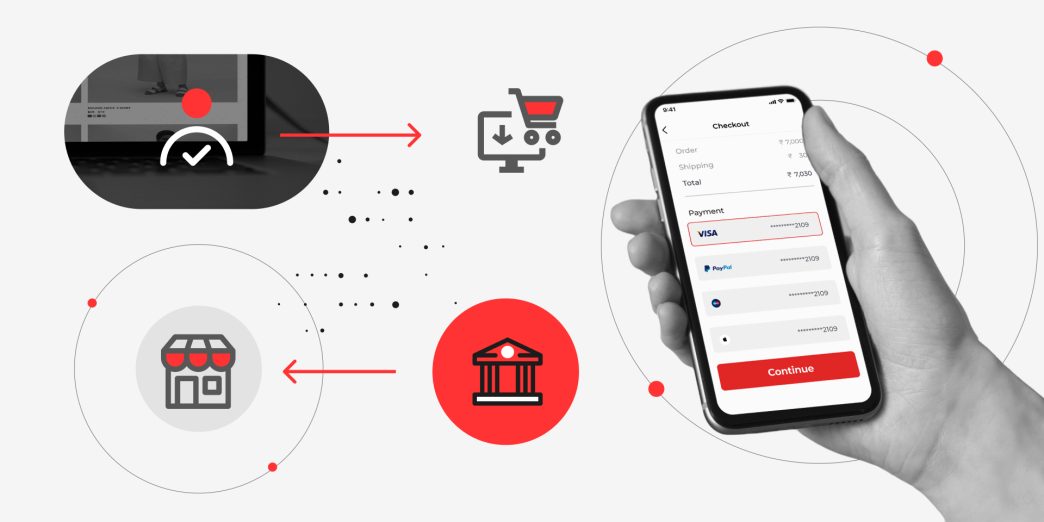
Digital payments have become central to how businesses operate, scale and engage with customers. The India payment gateway market was valued at USD 2.06 billion in 2025 and is projected to reach USD 3.92 billion by 2032.
From ecommerce platforms to service-based businesses, seamless payment processing is now a basic expectation rather than an added advantage. However, as transaction volumes grow and customer expectations evolve, choosing the right payment gateway in India requires more than a surface-level evaluation.
Businesses today need systems that are secure, compliant, scalable and adaptable to changing market conditions. A well-selected payment gateway in India can directly influence conversion rates, customer experience and operational efficiency. Let’s explore the most important capabilities that define a reliable payment gateway in India.
7 features that define a reliable payment gateway in India
To choose the right solution, businesses need to assess more than just payment acceptance. The most dependable platforms combine security, flexibility and performance to support smooth transactions, stronger customer experience and long-term operational growth.
- Strong security and compliance framework
Security remains the foundation of any payment system. A reliable payment gateway in India must comply with RBI guidelines, PCI DSS standards and data localisation requirements. Features such as tokenisation, encryption and fraud detection systems help protect sensitive information and reduce transaction risks.
Advanced gateways also use AI-driven fraud monitoring, risk scoring and anomaly detection to identify suspicious activity in real time. Businesses should prioritise gateways that actively update their security protocols to stay aligned with evolving threats and regulatory changes.
- Support for multiple payment methods
Customer preferences vary widely, making flexibility essential. A strong payment gateway in India should support cards, UPI, net banking and digital wallets.
Offering multiple payment options improves checkout completion rates and ensures businesses can serve a diverse customer base without friction. It also allows businesses to cater to regional payment behaviours and emerging trends, improving accessibility across different user segments and devices.
- High success rates and intelligent routing
Transaction success rates directly impact revenue. A dependable payment gateway in India should include intelligent routing that directs transactions through the most efficient banking channels.
This reduces failures caused by downtime or network issues, ensuring smoother payment experiences and fewer lost transactions. Advanced routing systems can dynamically switch between banks based on real-time performance, increasing reliability during peak traffic or high-demand periods.
- Seamless recurring payment capabilities
Subscription models are growing across industries. A modern payment gateway in India should support recurring payments through automated billing, mandate management and retry mechanisms.
These features ensure uninterrupted service for customers while helping businesses maintain consistent revenue streams. Additional capabilities such as flexible billing cycles, subscription upgrades or downgrades and automated notifications further enhance customer experience and reduce churn.
- Easy integration and developer support
Speed of implementation is critical. A well-designed payment gateway in India should offer simple integration through APIs, SDKs and clear documentation.
This reduces development time and allows businesses to go live faster without complex technical dependencies. Strong developer support, sandbox environments and plug-and-play integrations with platforms such as ecommerce systems or mobile apps further simplify deployment and ongoing maintenance.
- Real-time reporting and actionable insights
Data visibility is essential for improving payment performance. A capable payment gateway in India should provide real-time dashboards covering transactions, failures and customer behaviour.
These insights help businesses identify trends, optimise processes and make informed decisions that improve efficiency. Detailed reporting on payment success rates, refund patterns and customer preferences can also support strategic planning and revenue optimisation.
- Scalability and consistent performance
As businesses grow, payment systems must scale without disruption. A future-ready payment gateway in India should handle increasing transaction volumes while maintaining consistent performance.
It should also support peak demand periods and business expansion, ensuring stability across all stages of growth. High uptime, cloud-based infrastructure and load balancing capabilities ensure that payment systems remain reliable even during high traffic events or seasonal spikes.
Making the right payment gateway choice for long-term growth
Choosing the right payment gateway is a critical step in building a strong digital payment infrastructure. The features prioritised today will determine how efficiently businesses can operate, scale and serve customers in the future.
A reliable payment gateway in India goes beyond processing transactions. It supports secure operations, improves customer experience and enables consistent business growth. Payment gateways such as Pine Labs Online offer the capabilities and infrastructure required to support these outcomes at scale.
Moving forward, businesses should carefully evaluate their needs and select a payment gateway in India that aligns with their operational priorities and future growth plans.