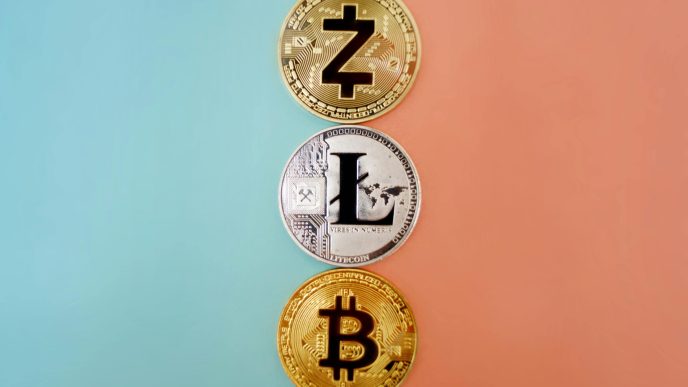

The BTC Price is one of the most closely watched financial indicators in the modern digital economy. Bitcoin, the world’s first cryptocurrency, has transformed how people think about money, investment, and decentralized finance. Unlike traditional currencies, Bitcoin operates without a central authority, and its price is determined entirely by market demand and supply. If you want to explore real-time updates and deeper insights, you can check the BTC Price to understand how it moves in live markets. This article explains what BTC price means, what affects it, and why it changes so frequently.
What Is BTC Price and Why It Matters
The BTC price refers to the current value of one Bitcoin in a specific currency, usually US dollars. It represents how much buyers are willing to pay and sellers are willing to accept at any given moment.
Bitcoin is not backed by a government or physical asset. Its value comes from trust, scarcity, and utility. There will only ever be 21 million Bitcoins in existence. This limited supply plays a key role in shaping its price.
For investors, the BTC price is more than just a number. It reflects market sentiment, global economic trends, and technological adoption. Whether you are trading, investing long-term, or simply observing, understanding BTC price helps you make informed decisions.
How BTC Price Is Determined
Unlike traditional assets such as stocks, Bitcoin does not have a centralized exchange. Its price is determined across multiple cryptocurrency exchanges worldwide.
Here are the main factors that determine BTC price:
- Supply and demand: When more people buy Bitcoin, the price rises. When more people sell, the price falls.
- Market liquidity: Higher trading volume leads to smoother price movements.
- Exchange activity: Different platforms may show slightly different prices due to demand variations.
- Investor sentiment: News, trends, and social media influence buying and selling behavior.
Because Bitcoin trades 24/7, its price is constantly changing. This makes it more dynamic than traditional financial markets.
Key Factors That Influence BTC Price
The BTC price does not move randomly. Several key drivers influence its direction over time.
- Global Economic Conditions
When inflation rises or traditional currencies weaken, many investors turn to Bitcoin as an alternative store of value. This can push the price upward. - Regulation and Government Policies
Government decisions about cryptocurrency regulation can significantly impact BTC price. Positive regulations often increase confidence, while restrictions may lead to declines. - Institutional Adoption
When large companies or financial institutions invest in Bitcoin, it increases credibility and demand. This often leads to price growth. - Technological Developments
Improvements in blockchain technology, security, and scalability can make Bitcoin more useful, which may raise its value. - Market Speculation
Speculation plays a huge role. Traders often buy or sell based on predictions rather than fundamentals, causing rapid price changes.
Why BTC Price Is Highly Volatile
One of the most notable characteristics of BTC price is its volatility. Prices can rise or fall sharply within hours.
There are several reasons for this:
- The market is still relatively young
- Large holders (known as “whales”) can influence price movements
- News spreads quickly and affects sentiment instantly
- There is no central authority to stabilize prices
While volatility creates opportunities for profit, it also increases risk. This is why understanding price behavior is essential before investing.
Short-Term vs Long-Term BTC Price Trends
BTC price movements can be viewed in two main ways: short-term and long-term trends.
Short-term trends focus on daily or hourly changes. Traders often use technical analysis, charts, and indicators to predict these movements.
Long-term trends look at the overall growth of Bitcoin over months or years. Historically, Bitcoin has shown upward growth despite short-term fluctuations.
Long-term investors often ignore daily volatility and focus on broader adoption and technological progress. This approach reduces emotional decision-making.
The Role of Supply Halving in BTC Price
Bitcoin has a unique feature called “halving.” Approximately every four years, the reward for mining new Bitcoin is cut in half.
This reduces the rate at which new Bitcoins enter circulation. As supply decreases and demand remains strong or increases, prices often rise over time.
Halving events have historically been linked to major price increases. However, they do not guarantee immediate results. Market conditions still play a role.
How to Track BTC Price Effectively
Tracking BTC price accurately is essential for anyone involved in cryptocurrency. Reliable platforms provide real-time data, historical charts, and market insights.
When tracking BTC price, consider:
- Real-time updates
- Price history and trends
- Market volume
- Price comparisons across exchanges
Using trusted platforms ensures that you are working with accurate and up-to-date information.
Common Misconceptions About BTC Price
There are many myths surrounding Bitcoin and its price. Understanding the truth helps avoid confusion.
“BTC price is random.”
In reality, it is influenced by clear economic and market factors.
“Bitcoin has no real value.”
Its value comes from scarcity, utility, and global adoption.
“It is too late to invest.”
Market cycles continue to evolve, and opportunities still exist depending on strategy.
Final Thoughts:
The BTC price is more than just a number on a chart. It reflects a complex interaction of supply, demand, technology, and global financial trends. Whether you are a beginner or an experienced investor, understanding how BTC price works can help you make smarter and more confident decisions.
To stay updated and explore live market movements, you can check the BTC Price and observe how it changes in real time. By combining knowledge with consistent monitoring, you can better navigate the fast-moving world of cryptocurrency.