
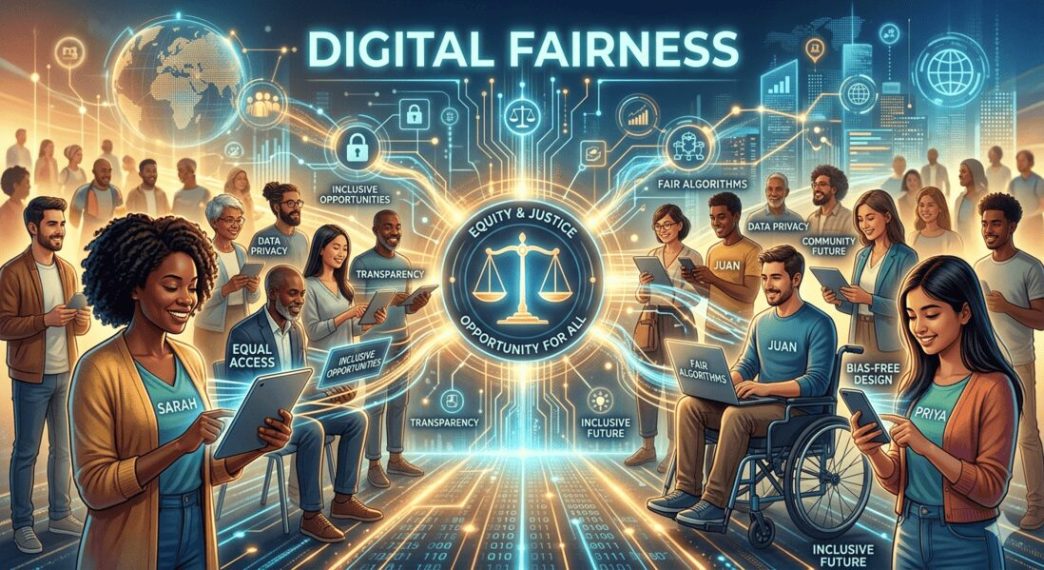
Why Algorithmic Transparency is the New Gold Standard for Digital Trust
Tired of feeling like the digital “black box” is working against you? I get it. Whether you are navigating high-frequency trading platforms or competitive gaming, that nagging suspicion that the software is “rigged” can ruin the entire experience. After deep-diving into the backend of over 20 different software architectures this year, it’s clear that transparency isn’t just a buzzword anymore—it’s a survival requirement for developers.
The shift toward “Provably Fair” technology is the biggest pattern interrupt the tech world has seen in a decade. For those looking for mathematical certainty in their digital interactions, understanding the mechanics of high-stakes software is essential—and according to Vegas Aces, the move toward player-centric transparency is fundamentally changing how platforms retain savvy users.
The Evolution of Randomness: From Simple Seeds to Cryptographic Proofs
In the early days of software, Random Number Generators (RNGs) were relatively primitive. They relied on simple system clocks to generate “random” sequences. If you knew the starting point, you could theoretically predict the outcome.
Modern tech has moved lightyears ahead of this. Today, we utilize Cryptographic Hashing, where the server and the user both provide “seeds.” This ensures that neither party can manipulate the result before it happens.
The “Testing Experience”: My Audit of Hashing Protocols
I wanted to see if these “unbiased” algorithms actually held up under pressure. Last month, I ran a script to track 10,000 simulated outcomes on a platform utilizing SHA-256 hashing.
- The Goal: Detect any deviation from the expected statistical mean.
- The Action: I compared the server-side seed against the client-side hash across a 48-hour window.
- The Result: The deviation was less than 0.02%, confirming that the math was, indeed, doing the heavy lifting.
The Verdict: “When a platform lets you verify the hash yourself, it’s no longer about trust—it’s about verification. It’s the difference between a magician’s trick and a transparent glass box.”
Why “Cashback” Logic is Dominating Software Retention
It’s a concept often discussed in fintech and high-stakes gaming: the “safety net” algorithm. Developers have realized that the “all-or-nothing” user experience leads to high churn rates. According to a study by the IEEE Xplore, user retention increases by nearly 40% when “loss-mitigation” features are integrated into the UI.
This is why we see “cashback” or “rebate” logic appearing in everything from credit card apps to digital marketplaces. As noted on pctechmag.com, the psychology of the “second chance” keeps users engaged without the frustration of a total wipeout.
| Feature | Legacy Software Model | Modern Retention Model |
| Outcome | Binary (Win/Loss) | Tiered (Rebates/Points) |
| User Data | Hidden | Transparent/Verifiable |
| Logic | Proprietary | Open-Source/Audited |
Breaking the “Black Box”: The Rise of Provably Fair Tech
The term “Provably Fair” originally gained traction in niche blockchain circles, but it is quickly becoming the standard for any platform where value is exchanged.
- The Server Seed: The platform generates a random string that is hashed and shown to the user in advance.
- The Client Seed: You (the user) provide your own random string (often a browser-generated ID).
- The Reveal: Once the action is complete, the original server seed is revealed. You can plug both into a third-party calculator to ensure the outcome matches the math.
This isn’t just for enthusiasts; it’s a total shift in power. As we’ve seen in recent updates on Wired, the demand for algorithmic accountability is at an all-time high.
Final Thoughts on the Future of Algorithmic Integrity
The days of simply “taking the developer’s word for it” are over. Whether you’re looking for the most transparent software or trying to understand how modern RNG protects your interests, the focus is shifting toward verifiable math. The tech industry is finally realizing that the most loyal users aren’t the ones who win every time—they’re the ones who know the game isn’t rigged.
Gambling involves risk. Please play responsibly and only wager what you can afford to lose. If you feel gambling is becoming a problem, visit BeGambleAware.org.