In modern electrical and electronic systems, terminal blocks play an instrumental role. This post will explore how terminal blocks function at a technical level and why they remain an essential component in electrical systems. Interested? Keep reading to understand the internal design and the wider role these components play in safe, efficient connectivity.
What Terminal Blocks Are & Why They Matter
So, what exactly are terminal blocks, and why do they matter? Terminal blocks are modular connectors that safely join and organize electrical wires. They are commonly used in control panels and automated systems, making them an essential part of many electrical and electronic systems. Terminal blocks play an essential role in improving safety, accessibility, and maintenance compared to direct wiring.
Inside the Technology: Key Components & Design
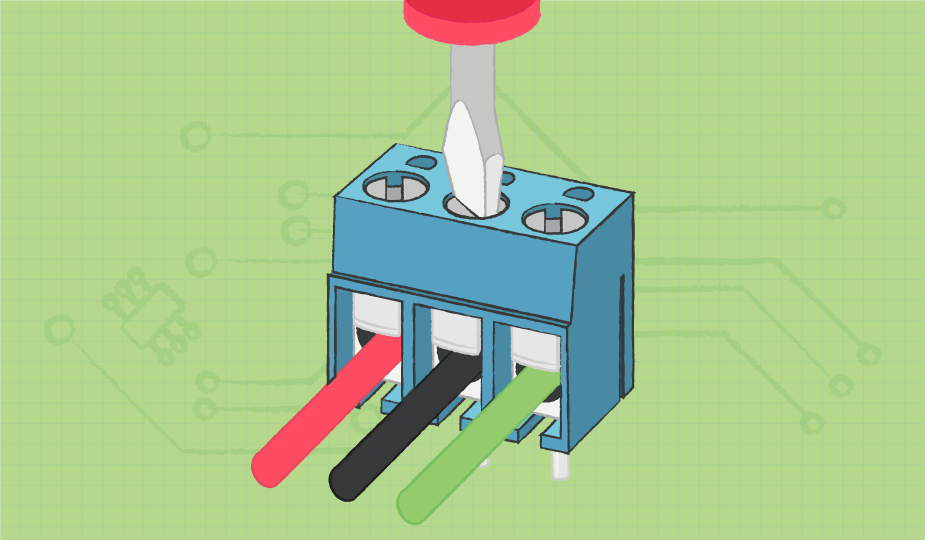
Terminal blocks consist of three core elements that all work together. These are:
- A conductive metal insert
- An insulating housing
- A clamping mechanism
The conductor carries electrical current between the wires, and the housing ensures electrical isolation and protection from external contact. The clamping system then applies constant pressure to keep the wire in place. Design variations allow you to choose the best option depending on factors like vibration levels, maintenance, and installation speed.
How Modern Terminal Blocks Create Reliable Connections
A terminal block works by creating a secure, low-resistance connection between conductors. This involves stripping the wire to expose the conductor, inserting it into the terminal block, and then securing it with the clamping mechanism. This creates a tight metal-to-metal contact that will prevent oxidation, reduce resistance, and maintain stable performance. This ensures consistent electrical flow, even in demanding environments.
Standards, Safety, & the Future of Connection Technology
Obviously, standards and safety are priorities when it comes to electrical systems. Regulations like BS 7671 and IEC 60947-7—1 establish requirements for insulation, current capacity, and mechanical strength. It is important to ensure adherence to these standards to ensure safety, performance, and compliance. It is also helpful to be aware of the latest developments and the future of connection technology to modernize your systems. Looking forward, there is a clear move towards tool-free and vibration-resistant designs.
Terminal blocks play an instrumental role in electrical systems. These electrical connectors enable you to join, organize, and distribute wiring safely within complex electrical systems. They are commonly found in control panels, automation equipment, and industrial machinery as they provide a structured alternative to wire-to-wire connections. Terminal blocks can improve safety, prevent errors, and improve maintenance, so they are a great option for industrial and commercial electrical systems.