Commercial roofing projects are very different from residential jobs, both in size and in the level of planning required. A roof on a commercial building is not just about protection from weather, it also affects energy efficiency, structural integrity, and long-term maintenance costs. Knowing what goes into the process can help property owners avoid costly mistakes.
Many business owners wait until leaks or visible damage appear before taking action. By that point, the problem is often more serious than it seems, leading to higher repair or replacement costs. Addressing roofing needs early and working with experienced professionals can prevent disruptions to daily operations.
Understanding how a commercial roofing company operates gives you a clearer picture of timelines, materials, and expectations. This makes it easier to plan your project properly and ensures the outcome meets both functional and financial goals.
How Commercial Roofing Differs from Residential Roofing Systems
Commercial roofing systems are designed to handle larger surface areas and more complex structural demands. Unlike residential roofs, which are often sloped, many commercial roofs are flat or low-sloped. This changes how water drainage, insulation, and materials are managed.
The materials used in commercial roofing are also different. Systems such as TPO, EPDM, and modified bitumen are commonly chosen for their durability and energy performance. These materials are designed to withstand heavy use and exposure over long periods.
Installation is more technical as well. It often requires specialized equipment and trained crews to ensure proper sealing and insulation. This is why hiring the right professionals is essential for long-term performance.
Signs That Your Commercial Roof Needs Attention
It is not always obvious when a commercial roof needs repair or replacement. Small issues can develop gradually and go unnoticed until they become more serious. Regular inspections are key to identifying problems early.
Common warning signs include water stains on ceilings, pooling water on the roof, and visible cracks or blistering in roofing materials. Increased energy bills can also indicate insulation issues caused by roofing damage. These signs should not be ignored, as they often point to underlying problems.
Scheduling routine maintenance helps catch these issues before they escalate. It also extends the life of your roof and reduces the likelihood of unexpected repairs that disrupt business operations.
Choosing the Right Roofing System for Your Building
Selecting the right roofing system depends on several factors, including building size, climate, and usage. Each material offers different benefits, so understanding your needs is important before making a decision. A well-matched system improves performance and reduces long-term costs.
Flat roofs often benefit from membrane systems that provide strong waterproofing and flexibility. Buildings in warmer climates may prioritize reflective materials that help reduce heat absorption. In contrast, colder regions may require solutions that handle snow and ice effectively.
Working with experienced contractors can make this process easier. A professional evaluation ensures that the chosen system aligns with your building’s structure and your long-term goals.
What the Installation Process Typically Involves
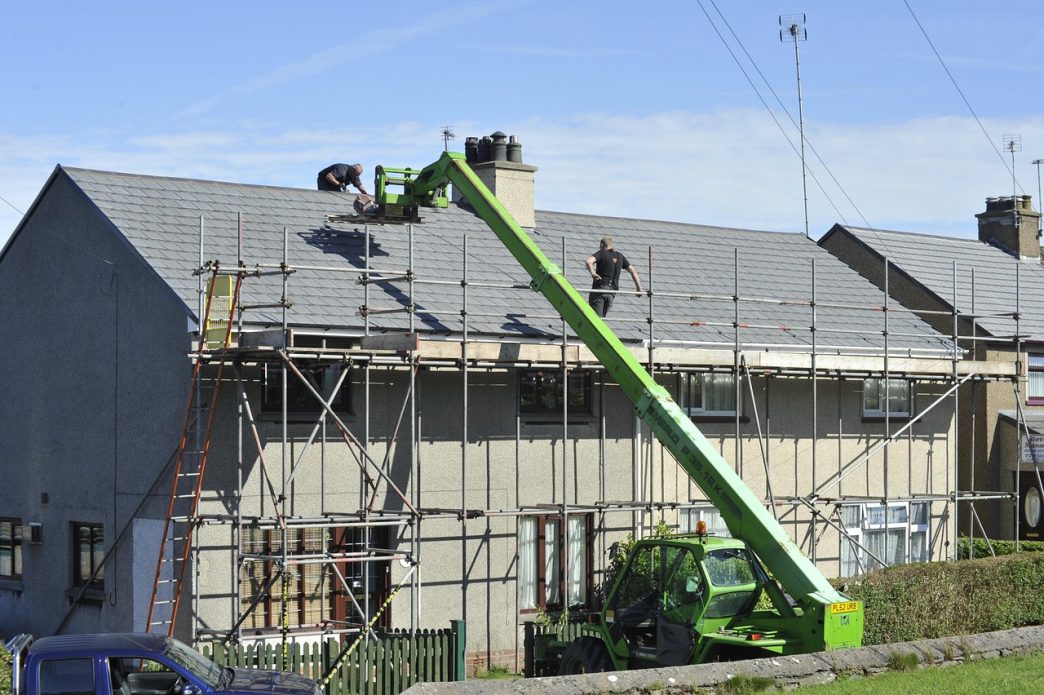
The installation of a commercial roof is a multi-step process that requires careful coordination. It usually begins with an inspection and removal of any existing roofing materials. This step ensures that the underlying structure is sound before new materials are installed.
Next comes the installation of insulation and the roofing system itself. This phase must be done with precision to ensure proper sealing and durability. Even small mistakes during installation can lead to long-term issues such as leaks or reduced efficiency.
In the middle of the process, working with a trusted provider like Ridge Runner Roofing can help ensure quality workmanship and adherence to safety standards. Their experience allows projects to move forward smoothly without unnecessary delays. Proper oversight during installation makes a significant difference in the final outcome.
Understanding Costs and Budget Considerations
Commercial roofing projects involve a range of costs that go beyond just materials. Labor, equipment, and project complexity all contribute to the overall budget. Understanding these factors helps you plan more effectively.
The size of the building is one of the biggest cost drivers. Larger roofs require more materials and labor, which increases expenses. The type of roofing system you choose also affects pricing, as some materials are more expensive but offer longer lifespans.
Maintenance and long-term performance should also be considered. Investing in a higher-quality system upfront can reduce repair costs over time. This makes it important to balance initial expenses with future savings.
How Maintenance Extends the Life of a Commercial Roof
Routine maintenance is one of the most effective ways to protect your investment. Regular inspections and minor repairs help prevent small issues from becoming major problems. This approach keeps your roof functioning properly for a longer period.
Maintenance typically includes cleaning debris, checking for damage, and ensuring drainage systems are working correctly. Addressing these areas helps maintain the roof’s structural integrity and prevents water-related issues.
A consistent maintenance schedule also provides peace of mind. Knowing that your roof is in good condition allows you to focus on other aspects of your business without worrying about unexpected disruptions.
Common Mistakes to Avoid During Roofing Projects
One of the most common mistakes is delaying repairs until the damage becomes severe. This often results in higher costs and more extensive work than initially necessary. Acting early helps minimize both expenses and downtime.
Another mistake is choosing materials based solely on cost rather than performance. While it may be tempting to save money upfront, lower-quality materials can lead to frequent repairs and shorter lifespan. Evaluating long-term value is a smarter approach.
Poor contractor selection can also create problems. Working with inexperienced teams may lead to improper installation and ongoing issues. Taking time to choose qualified professionals ensures better results.
How to Get the Best Results from Your Roofing Investment
Getting the most out of your commercial roofing project requires careful planning and informed decisions. Understanding your building’s needs and choosing the right materials sets a strong foundation. This helps ensure the roof performs well over time.
Clear communication with your contractor is equally important. Discussing expectations, timelines, and potential challenges helps avoid misunderstandings. A well-coordinated project runs more efficiently and delivers better outcomes.
In the end, working with a reliable commercial roofing company ensures that your building remains protected and efficient. With proper installation and maintenance, your roof becomes a long-term asset that supports your business rather than a recurring concern.