Accurate flow measurement is essential for process efficiency, safety, and regulatory compliance across industries. Whether in oil and gas, water treatment, or chemical processing, even small inaccuracies can lead to costly errors. One often overlooked factor that significantly impacts measurement accuracy is the quality of impulse line installation. Following proper impulse line installation best practices ensures that pressure signals are transmitted cleanly and reliably from the process to the measuring instrument. This blog explores key considerations, common pitfalls, and proven methods to help you achieve dependable flow data.
Understanding the Role of Impulse Lines
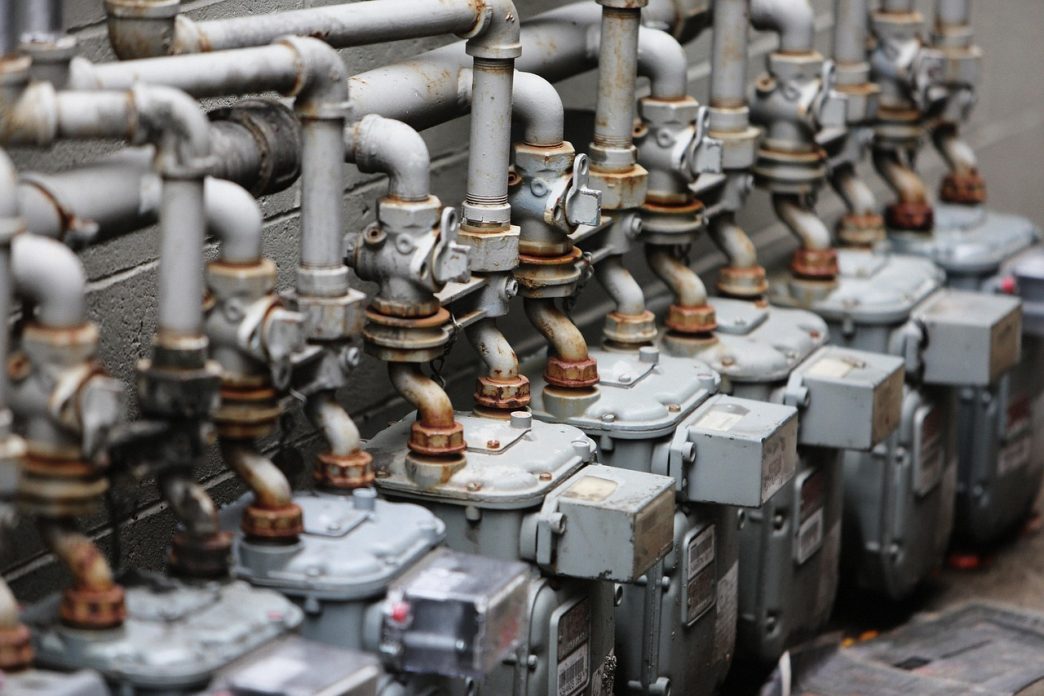
Impulse lines are the small-bore pipes or tubing that connect a process line to a pressure transmitter. Their primary function is to transmit process pressure accurately without distortion or delay. In differential pressure flow measurement systems, impulse lines carry high and low pressure signals to the transmitter, which calculates flow based on the difference.
Because these lines are exposed to process conditions such as temperature fluctuations, vibration, and potential contamination, improper installation can introduce errors. Issues such as trapped air, condensation, blockages, or leaks can distort the pressure signal. This is why following impulse line installation best practices is not just recommended but essential.
Proper Routing and Layout
One of the most critical aspects of impulse line installation is proper routing. Lines should be as short as possible to minimize lag time and reduce the risk of pressure signal distortion. Long impulse lines increase the chance of accumulation of condensate or gas pockets, which can affect accuracy.
Impulse lines should be routed with a consistent slope. For liquid service, lines should slope downward from the process tap to the transmitter to allow air bubbles to rise back into the process. For gas service, the slope should be upward so that any condensate drains back into the process line. Maintaining this consistent slope is a cornerstone of impulse line installation best practices.
Avoid sharp bends and unnecessary fittings. Each bend or connection introduces potential leak points and can create areas where debris accumulates. Smooth routing with gradual bends improves reliability and simplifies maintenance.
Correct Positioning of Transmitters
The placement of the transmitter relative to the process tapping points plays a major role in measurement accuracy. For liquid applications, transmitters are typically installed below the process line so that impulse lines remain filled with liquid. This prevents air pockets from forming.
In gas applications, transmitters are usually installed above the process line to prevent liquid accumulation in the impulse lines. For steam systems, both impulse lines should be filled with condensate to maintain a stable reference. This often requires the use of condensate pots installed at the same elevation.
Following these positioning guidelines is a key part of impulse line installation best practices because it ensures consistent pressure transmission and minimizes measurement drift.
Managing Temperature Effects
Temperature variations can significantly impact impulse line performance. High temperatures can cause fluid expansion, while low temperatures can lead to condensation or even freezing. Both scenarios can distort pressure readings.
To mitigate these effects, insulation or heat tracing may be required. Insulating impulse lines helps maintain a stable temperature and prevents unwanted phase changes. In cold environments, heat tracing ensures that fluids remain in the desired state and do not freeze inside the lines.
Material selection also matters. Using tubing and fittings that can withstand the process temperature without degrading is essential. Incorporating temperature management into your design is a fundamental element of impulse line installation best practices.
Preventing Blockages and Contamination
Impulse lines are vulnerable to blockages caused by debris, sediment, or process buildup. Even partial blockages can lead to inaccurate readings or slow response times. To prevent this, proper filtration and regular maintenance are necessary.
Installing valves such as root valves and manifold systems allows for isolation and cleaning of impulse lines without shutting down the entire process. Blowdown procedures can be used to clear any accumulated debris.
In some cases, using larger diameter tubing or special coatings can reduce the risk of buildup. Keeping lines clean and free of obstructions is one of the most practical impulse line installation best practices for maintaining long term reliability.
Ensuring Leak-Free Connections
Leaks in impulse lines can introduce significant measurement errors and pose safety risks. Even small leaks can cause pressure drops that lead to incorrect flow readings. Ensuring all connections are properly tightened and sealed is critical.
Use high-quality fittings that are compatible with the process conditions. Compression fittings are commonly used, but they must be installed correctly to avoid leaks. Threaded connections should be sealed with an appropriate thread sealant.
Regular inspection and leak testing should be part of your maintenance routine. A leak-free system is a foundational requirement in impulse line installation best practices.
Minimizing Vibration and Mechanical Stress
Vibration from nearby equipment or process flow can loosen fittings and cause fatigue in impulse lines. Over time, this can lead to leaks or even line failure. Supporting impulse lines properly helps reduce these risks.
Use clamps or brackets to secure lines at regular intervals. Avoid leaving long unsupported sections that can vibrate excessively. Flexible tubing can also help absorb vibration in certain applications.
By addressing mechanical stress during installation, you align with impulse line installation best practices that enhance durability and system longevity.
Using Proper Valves and Manifolds
Valve selection plays an important role in impulse line systems. Manifold valves allow operators to isolate, equalize, and vent pressure transmitters safely. This is essential for calibration and maintenance.
A typical differential pressure setup includes a three-valve or five-valve manifold. These configurations enable accurate zeroing and prevent damage to the transmitter during operation.
Choosing the right valve configuration and installing it correctly is a key component of impulse line installation best practices. It not only improves measurement accuracy but also simplifies maintenance procedures.
Regular Inspection and Maintenance
Even the best installation can degrade over time without proper maintenance. Regular inspection of impulse lines ensures that potential issues are identified early. Look for signs of corrosion, leaks, blockages, or physical damage.
Scheduled maintenance should include cleaning, leak testing, and verification of proper slope and support. Calibration checks for the associated transmitters are also important.
Documenting maintenance activities helps track system performance and identify recurring issues. Consistent upkeep reinforces the benefits of impulse line installation best practices and ensures long-term reliability.
Common Mistakes to Avoid
Several common mistakes can undermine even well-designed systems. One frequent issue is improper slope, which leads to trapped air or liquid. Another is excessive line length, which increases response time and error potential.
Using incompatible materials can result in corrosion or failure under process conditions. Neglecting insulation or heat tracing can cause temperature-related problems. Poorly secured lines are more prone to vibration damage.
Avoiding these mistakes is just as important as following best practices. Awareness and attention to detail go a long way in achieving accurate flow data.
Conclusion
Reliable flow measurement depends on more than just advanced instrumentation. The integrity of the entire measurement system, including impulse lines, plays a crucial role. By following proven impulse line installation best practices, you can ensure accurate pressure transmission, minimize errors, and extend the life of your equipment.
From proper routing and transmitter placement to temperature management and regular maintenance, each aspect contributes to overall performance. Investing time and effort into correct installation pays off through improved data accuracy, reduced downtime, and enhanced operational efficiency.