There’s a line in most vehicle history reports that changes everything about whether a car is worth buying. Sometimes it’s a flood title sitting quietly in the title section. Sometimes it’s an odometer entry that went the wrong direction two owners back. Sometimes it’s four ownership transfers in eighteen months on a car the current seller claims has been well looked after.
The line is almost always there if you know where to look. Most buyers don’t find it. Not because they’re careless, but because nobody handed them a guide to reading these things before they needed one.
This is that guide.
The VIN Is the Thread Everything Else Runs Through
Before the report makes any sense, the number it’s built around does.
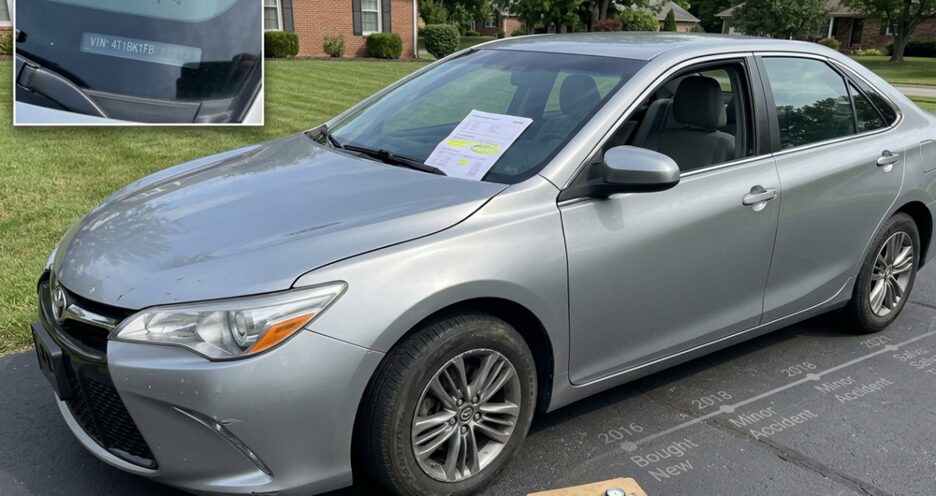
Seventeen characters on a small metal plate at the base of the windshield, driver’s side. Same number on a sticker inside the door jamb. That number was assigned to this specific car before it left the factory and it follows it everywhere. Every time the car crosses a state line, gets registered, passes an inspection, shows up at a dealer, goes through an auction, gets into an accident that somebody reports, the VIN is how all of that gets connected into one record.
Before anything else, it is worth running the number through a VIN decoder to confirm the car is actually what the listing says it is. Make, model, year, engine, country of assembly. These details occasionally don’t match and catching that early saves everyone’s time.
The part worth understanding upfront is that the report only knows what got reported to the systems it pulls from. A repair done quietly at a small independent shop, a private cash settlement after a fender bender, damage that got fixed without an insurance claim, none of that appears anywhere. The report is complete within its own sources. It just doesn’t have access to everything that ever happened to the car. Keeping that in mind changes how you use it.
Title History: The Section Most People Skim Too Fast
The title section is where the report tells you the most important things and where most buyers spend the least time.
Every time a title changes in a meaningful way, it gets recorded. Ownership transfers, state changes, and most importantly, title brands. A brand is a permanent mark that goes on a title when something significant happens to the car. It doesn’t come off. Doesn’t fade with time. Doesn’t get removed because the car was repaired well afterward.
Salvage is the one people have heard of. The insurance company looks at the damage, runs the numbers, decides the repair cost exceeds what the car is worth, usually somewhere in the 70 to 90 percent range depending on the state. They pay out the claim, take the car, and the title gets branded that day. Some of those cars get bought by repair shops, fixed up, and put back on the road. Some of those repairs are genuinely solid. The brand stays anyway, resale value drops, and a number of insurers won’t write full coverage on a salvage title vehicle regardless of its current condition.
Rebuilt means someone got there first. Bought the salvage car, did the work, drove it through an inspection. That inspection is real. Someone official looked at it. What they confirmed is that the car met the threshold to be back on public roads, which is a lower bar than it sounds like.
Flood damage is its own category and mechanics tend to treat it differently from collision damage. Water gets into places that are genuinely hard to reach and hard to dry completely. Connectors corrode. Modules develop intermittent faults. Wiring harnesses that look undamaged start causing problems months later in ways that are expensive and frustrating to trace. A flood car can run without any obvious issues for six months before the electrical system starts sending messages about what it went through. Some of these cars travel far from where the flooding happened before they get sold, which is part of why the VIN report exists.
Lemon law buybacks are less common in reports but worth knowing. When a manufacturer repurchases a vehicle because a defect couldn’t be resolved, that gets recorded. Some states require it on the physical title. Others don’t. The report tends to catch it regardless.
One more thing in the title section that doesn’t get enough attention. The number of previous owners and roughly how long each one held the car. Someone who kept a car for four years and then sold it is a different story from someone who kept it for five months. A car that’s been through four owners in two and a half years has been handed off quickly by people who presumably had reasons.
Odometer Readings Across Time
The odometer history section is one of the few places in the report where you can catch something the car itself might not show you yet.
It works like this. Every time the car went somewhere official and someone logged the mileage, that entry went into the record. Dealer service, state registration, formal inspection. Those entries stack up over years and the report puts them in order. On a normal car they tell a boring story. Numbers going up at a reasonable pace. That’s what you want to see.
A useful first step before pulling any paid report is running the number through a VIN decoder to verify the listed specs match what the manufacturer actually built. Year, trim, engine configuration. Small discrepancies at this stage are worth questioning before you go further.
What you’re not looking for, and what occasionally shows up, is a reading that goes backward. Or a long gap in entries followed by a mileage figure that seems lower than it should be given how much time passed. These things don’t always mean fraud. Sometimes records just don’t get entered. But they’re the questions to ask before anything else.
Digital odometers made tampering harder than it used to be with mechanical ones. Not impossible. Swapping a cluster from a salvage yard vehicle, reprogramming the mileage module with equipment that’s openly available online, these are things that happen. The odometer history in the report is often where it shows up because the previous readings don’t match the current number.
The car itself is the other check, and it doesn’t require the report at all. A seat bolster that’s compressed and cracking at the seam. Pedal rubber worn through in places. The carpet at the heel rest that’s lost its texture entirely. These things take years and real use to look the way they do and they’re hard to convincingly restore. The dash shows a number someone may have had reasons to change. The inside of the car has no reason to lie.
Accident and Damage History: What’s in the Report and What Isn’t
Reported accidents show up as events in the timeline with whatever detail the reporting source included. An insurance claim, a police report, a total loss declaration. Each of these gets a line.
The gap is everything that didn’t go through those channels. Private settlements between two drivers who agreed not to involve insurance. Repairs done at shops that don’t report into the national databases. Damage that got fixed cheaply and quietly without anyone officially being notified. This is not rare. It happens regularly and it leaves no trace in the report.
What the report does show is worth reading carefully. Structural damage noted means something hit the car hard enough that the underlying frame or support structure was affected. Airbag deployment is significant because airbags don’t deploy in minor accidents, there’s a threshold, and a car that crossed that threshold was in a serious enough impact to be worth understanding more about. Fire or water damage recorded means what it says and both come with the kinds of secondary problems that show up over time rather than immediately.
The report also shows whether the car was ever declared a total loss, which occasionally happens to cars that the report also shows were later rebuilt and titled again. Reading those two entries together in the timeline tells you more than either one alone.
For the accidents and damage that didn’t make the report, the car itself holds the record. Panel gaps that don’t match side to side. A door that closes differently from the others. Paint that looks slightly off in afternoon sun when you walk slowly along the side panels from a low angle. A window with a date code years newer than everything else on the car. These are the things that show up when you look, and they’re the things that the report can’t show you because nobody filed a claim.
Ownership History and What the Patterns Mean
The report shows every time the title changed hands, where the car was registered, and roughly when each transfer happened. Most people look at this section for the number of owners and move on. There’s more in it than that.
Where the car was registered matters for a few reasons. A car that spent its first eight years registered in states with harsh winters and salted roads has a different underside story than one that spent the same period in the southwest. The exterior can look identical. Underneath is where that history lives.
Multiple states in the ownership record sometimes means the car moved with an owner who relocated. Sometimes it means the car was sold across state lines specifically because title disclosure requirements vary. A car with a flood or lemon law history originating in a state that requires disclosure showing up later in a state that doesn’t is a pattern worth noting.
Short ownership periods, already mentioned in the title section, deserve a second look here. One short period in an otherwise normal ownership history, maybe someone bought it intending to keep it and then their situation changed, that’s unremarkable. A pattern of short periods, cars passing through hands every few months, points toward something different. Cars that keep getting sold quickly are usually getting sold quickly for a reason.
Service and Maintenance Records in the Report
Not every report includes detailed service history but many do, especially for cars that were regularly serviced at dealerships. Dealers log everything into their systems and those logs feed into the databases. Independent shops vary.
When the service history is in there, read the dates and mileage intervals more than the individual entries. A car coming in every few thousand miles for years is a different animal from one that only shows up at a shop when something stopped working.
Gaps are the thing to look at. A car with consistent service entries every few thousand miles and then a two year gap with nothing is a car that went two years without documented maintenance. Maybe the owner switched to a shop that doesn’t report. Maybe they stopped doing maintenance. The gap itself doesn’t answer the question but it’s worth asking.
Recall completions are in this section too. Open recalls on a car you’re buying are worth knowing about because they mean the manufacturer identified a problem significant enough to require a fix and that fix hasn’t been done yet. Some open recalls are minor. Some are not. The report will show whether the recall was completed or still outstanding.
How to Use the Report Alongside Everything Else
The report is the starting point, not the conclusion.
Run it before you go to see the car. If the title history raises serious questions, that’s the conversation to have over the phone before you drive anywhere. Ownership pattern that doesn’t make sense, ask about it before you drive anywhere. Odometer gap or a number that doesn’t add up, that’s the first thing out of your mouth when you meet the seller, not the last.
A reasonable starting point before you pay for a full report is running the VIN through something like this VIN decoder to confirm the car is what the listing says it is. Make, model, year, trim, country of assembly. Basic things that occasionally don’t match and are worth knowing before you go further.
When the report looks clean, take it with you. Look at the car with that timeline in your head rather than setting the report aside once it cleared.
A car the report shows was in a minor accident three years ago should have evidence of repair work somewhere if you look closely enough. Matching the report to what you see on the car is more useful than treating either one in isolation.
The sections most worth slowing down on are the title history and the odometer entries. These are where the information that matters most lives and where the details that change what you’re willing to pay tend to show up. The accident history section tells you what got reported. The car tells you the rest.
A mechanic who goes through the car properly for an hour before you buy it fills in most of what the report can’t see. Between the report, the inspection, and actually looking at the car yourself in daylight, you end up knowing a lot more than the listing told you. Most of the time that’s enough to buy with some confidence. Occasionally it’s enough to walk away from something that looked fine on paper.