
Visitors on your website today expect fast answers. They do not want to wait hours for an email reply or dig through a long FAQ page just to find basic information. A chatbot fills that gap by staying available around the clock, ready to help the moment someone shows up.
But not every chatbot is worth your time or money. Some are too rigid, some are overpriced, and some simply do not fit the way your business works.
Before you start comparing options, it helps to know what actually matters. Browsing through the best chatbot platforms for websites gives you a useful benchmark, but knowing what to evaluate is what leads you to the right decision. Here is a clear breakdown of what to look for.
Clarify What You Need the Chatbot to Actually Do
Support, Sales, or Lead Capture: Pick a Primary Purpose
Start by getting clear on one thing: what do you actually want this chatbot to handle?
A chatbot built for customer support behaves differently from one designed to capture leads or assist with sales. Support bots focus on answering questions quickly. Lead generation bots focus on collecting contact details and qualifying visitors. Sales bots guide people toward making a purchase.
If you try to do everything at once without a clear priority, you end up with a chatbot that does nothing particularly well. List the most common interactions visitors have on your site right now. That list will tell you where to focus first.
Map It to Your Customer Journey
Not every page on your website has the same need. Someone on your pricing page has a different intention than someone reading a blog post.
Think about where visitors get stuck or leave without taking action. That is usually where a chatbot makes the biggest difference. Placing it at the right touchpoint increases engagement and reduces drop-off, without requiring extra effort from your team.
The Technology Behind the Tool Should Match Your Expectations
Rule-Based vs AI-Powered: What the Difference Means for You
There are two main types of chatbots, and the difference matters more than most people realize.
Rule-based bots follow a fixed script. They work well for simple, predictable questions like store hours or return policies. But the moment a visitor phrases a question differently, the bot gets confused and the conversation breaks down.
AI-powered bots use natural language processing to understand intent, not just exact words. They handle open-ended questions, pick up on context, and improve over time. If your website deals with varied questions or a mixed audience, an AI-powered bot will serve your visitors far better.
How Response Quality Affects Customer Trust
A chatbot that gives wrong or irrelevant answers does more damage than having no chatbot at all. Visitors lose trust quickly when they feel like they are talking to something that does not understand them.
Before committing to any platform, test it with real questions your visitors actually ask. Pay attention to how accurately it responds and whether the answers feel helpful or robotic.
Integration With the Tools Your Business Already Uses
CRM, E-Commerce, and Helpdesk Connectivity
A chatbot that operates in isolation is only half useful. The real value comes when it connects with the tools you already rely on.
If you use a CRM like HubSpot or Salesforce, your chatbot should be able to feed lead data directly into it. If you run an e-commerce store, it should pull product information and handle order queries. If your team uses a helpdesk tool like Zendesk, it should escalate conversations without the customer having to start over.
This connectivity is central to how AI customer service delivers real value across business operations, not just on a single channel.
Poor integration creates extra work for your team instead of reducing it, and that defeats the whole purpose.
Omnichannel Capability and Context Continuity
Your customers do not always stay on one channel. Someone might start a conversation on your website and follow up later on WhatsApp or Messenger.
A good chatbot remembers the context of that conversation and picks up where it left off, regardless of the channel. This kind of continuity makes the experience feel smooth and personal, which keeps customers coming back.
Customization, Branding, and Personalization Depth
Aligning the Chatbot’s Appearance With Your Brand Identity
Your chatbot is part of your website experience. If it looks and sounds nothing like your brand, it creates friction and can feel out of place.
Look for platforms that let you customize the chat widget colors, fonts, tone of language, and the bot’s name or avatar. A chatbot that feels consistent with the rest of your website builds trust faster. Visitors are more likely to engage with something that genuinely feels like it belongs there.
Behavior Personalization Based on Visitor Data
Beyond visuals, how the chatbot responds to different visitors makes a real difference.
An advanced chatbot adjusts its responses based on the page a visitor is on, their browsing history, or whether they are a returning customer. A first-time visitor asking about pricing should get a different response than a returning customer asking about their order status. This level of personalization improves conversation quality and increases conversions, all without extra effort from your side.
Pricing Structures, Scalability, and Vendor Reliability
Decoding Pricing Models Before You Commit
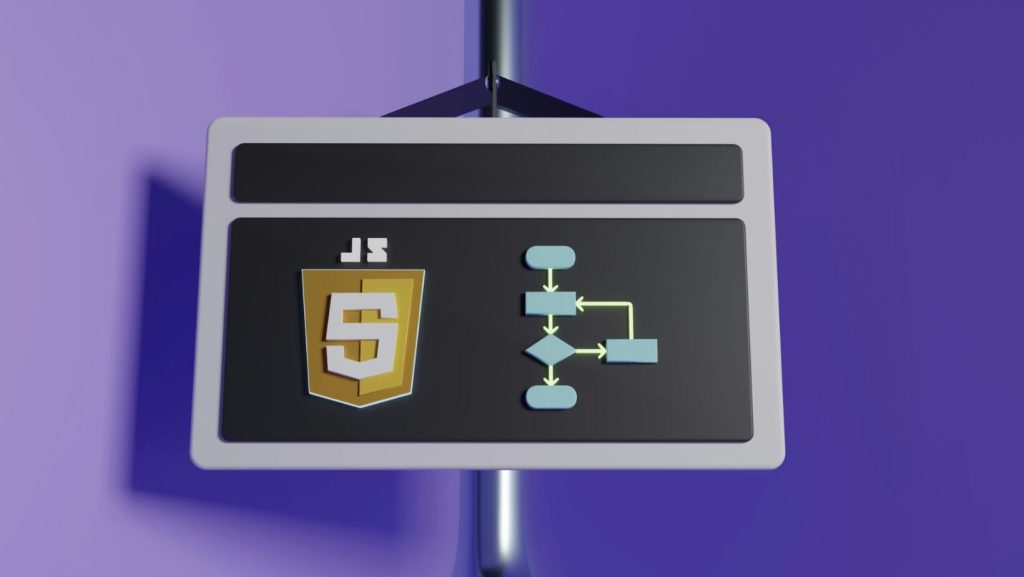
Chatbot pricing can be confusing if you do not know what to look for. Some platforms charge per seat per month, some bill per conversation or per resolution, and others offer flat monthly rates.
The key is to calculate costs based on your actual conversation volume, not just the plan name. A plan that looks affordable can get expensive quickly when your chatbot handles a high number of interactions each month. If you want a side-by-side view of how leading tools are priced, looking at the best chatbot platforms for websites gives you a practical reference point before you commit.
Also, watch for steep gaps between pricing tiers. If doubling your usage means tripling your bill, that is a red flag for long-term growth.
Long-Term Support, Uptime, and Data Security
Reliable uptime is non-negotiable. If your chatbot goes offline during business hours, you are losing conversations and potentially losing customers.
Check what kind of support the vendor offers: Is it available around the clock? Is there proper onboarding? Are there tutorials and documentation to fall back on?
Data security matters too. Make sure the platform complies with relevant privacy regulations and is transparent about how it stores and uses visitor data. This becomes more important as your business and customer base grow.
Conclusion
Choosing the right chatbot comes down to matching your business needs with the right tool. Define your purpose first, evaluate the technology, confirm it connects with your existing workflow, assess customization options, and understand the full cost before committing.
The right chatbot does not just answer questions. It improves the experience for your visitors, saves time for your team, and supports your growth over time. Take your time with the decision, test before you invest, and choose something built to grow with you.
FAQs
What is the difference between a rule-based and an AI-powered chatbot?
A rule-based chatbot follows a fixed script and only responds to specific, pre-programmed inputs. An AI-powered chatbot uses natural language processing to understand intent, handle varied questions, and improve over time. For most businesses with diverse visitor queries, an AI-powered option delivers a much better customer experience.
How much does a chatbot for a business website typically cost?
Pricing varies widely depending on features and scale. Entry-level plans generally start between $15 and $40 per month, while enterprise solutions can run into hundreds monthly. Many platforms offer free trials or limited free tiers so you can properly test the tool before making a financial commitment.
Can a small business with no technical background set up a chatbot?
Yes, and quite easily. Many modern chatbot platforms are no-code or low-code. They offer drag-and-drop builders, ready-made templates, and guided setup processes that require zero developer involvement. Most reputable vendors also provide onboarding support to help you get started without the technical headache.
How do I know if my chatbot is actually working?
Track key metrics like conversation completion rate, response accuracy, user satisfaction scores, and conversion rates from chatbot interactions. Most platforms include built-in analytics dashboards for this purpose. Review these regularly and use the data to refine your chatbot’s responses and conversation flow over time.