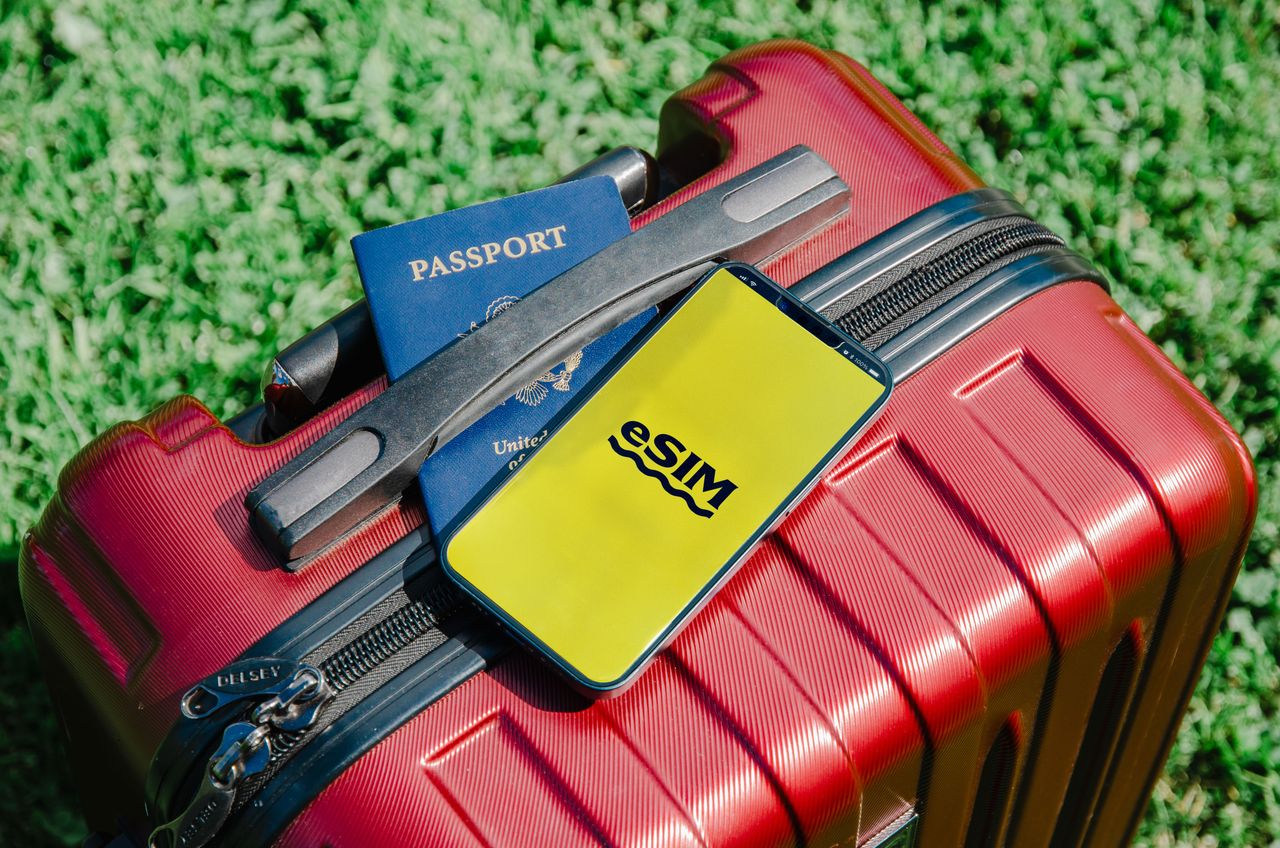
A modern traveler faces one consistent challenge abroad: reliable mobile connectivity without the hassle of physical SIM cards. The telecom sector has produced a clear solution in the form of eSIM technology, which removes the need for a removable chip and replaces it with a reprogrammable digital alternative.
Travelers can now activate a mobile data plan before their flight departs, eliminating last-minute hunts for local SIM vendors at the airport. This article covers the key factors that make eSIM technology a practical connectivity tool for independent travelers abroad.
Instant setup process
Travelers who choose convenient eSIM plans benefit from a setup process that takes minutes rather than hours. A QR code sent via email is all that a traveler needs to activate a new data profile on a compatible device. No tools, no swapping, and no physical packaging are required at any stage of the process. Most major eSIM providers allow profile downloads to complete well before a trip begins, so the traveler arrives at the destination already connected. The entire activation flow happens within the device settings, with clear step-by-step prompts that require no technical background to follow.
Digital activation benefits
A digital activation model removes several logistical barriers that traditional SIM users face at the border. The eSIM profile stores itself within the device hardware, which means no card can be lost, damaged, or left behind at a hotel. Travelers who move between multiple countries on a single trip can hold several eSIM profiles on the same device and switch between them without any physical action. Device compatibility has expanded significantly across smartphones, tablets, and smartwatches, making digital activation accessible to a broader group of users. The activation timestamp is also recorded digitally, so travelers have a clear record of when a plan became active and how much data remains.
No physical store requirement
One of the most practical advantages of eSIM technology is the complete removal of the physical store from the equation. Travelers no longer need to locate a carrier shop, wait in line, or navigate a foreign language barrier just to purchase a data plan. The table below outlines what travelers avoid when they choose an eSIM over a traditional SIM purchase abroad.
The absence of a physical distribution channel means a traveler can complete the entire purchase and activation process from a hotel room, airport lounge, or even mid-flight on a Wi-Fi-enabled aircraft.
Easy plan management
eSIM plan management occurs entirely within the device interface, which keeps the traveler in control at every stage of the trip. A dedicated app or device settings panel shows current data consumption, remaining balance, and plan expiry details in one place. Travelers who exhaust their initial data allocation can purchase a top-up or a new plan without visiting any external outlet. Plan details update in real time, so there are no surprises related to overage charges or unexpected service cutoffs.
Cross-border usage support
Many eSIM data plans are structured specifically to cover multiple countries under a single plan, which simplifies connectivity for travelers who cross borders frequently. A regional plan that covers several countries removes the need to purchase a new profile at each destination. The traveler’s device detects the available network and connects automatically based on the plan’s coverage parameters.
Data speeds and network quality depend on carrier agreements within each country, but the connection process itself requires no manual input from the traveler. Plans that cover large geographic regions are widely available for popular travel corridors across the US, UK, China, Japan, Austria, UAE, and more.
Flexible data options
eSIM providers structure their plans across a range of data volumes, validity periods, and price points to suit different travel durations. A short trip of two to three days calls for a smaller data allocation, while a month-long backpacking route requires a higher-volume plan with a longer validity window. Travelers who use data primarily for maps and messaging can select a low-volume plan, while those who work remotely or stream content abroad require a more substantial allocation.
Convenient plans that offer flexible tier structures allow the traveler to match the plan to the actual trip rather than overpaying for unused data. Some providers also allow mid-trip upgrades, so a traveler who underestimates data consumption can expand the plan without switching to an entirely new profile.
Independent travelers who prioritize reliable, low-friction connectivity abroad benefit most from convenient eSIM plans. A single device can hold multiple active profiles, support cross-border coverage, and provide full plan visibility without requiring a physical card or store visit. Travelers should verify device compatibility and regional coverage before purchase to maximize the practical value of any eSIM plan selected.