Nobody panicked.
At least, not at first.
One group stayed behind to finish dinner while the others hiked to a nearby overlook for sunset. The plan was simple: meet back at camp before dark. Then the clouds rolled in. The trail looked different on the return trip, and cell phones quietly admitted defeat with a familiar message: ‘’No Service.’’
Fortunately, everyone still had a way to communicate.
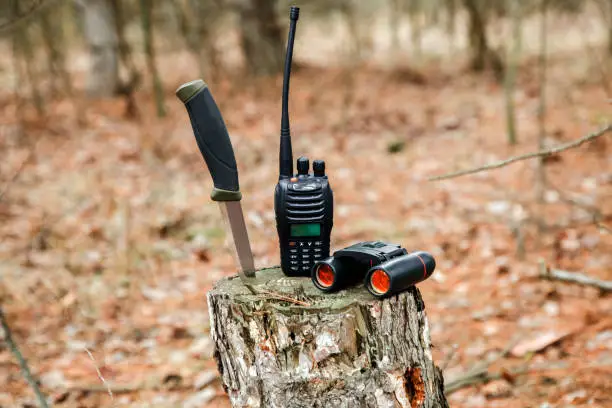
Camping has always been about disconnecting from everyday life, but that doesn’t mean losing contact with the people you’re traveling with. Whether you’re exploring a national forest, setting up camp beside a lake, or spending a weekend in the mountains, reliable communication can make the trip smoother, safer, and a lot less stressful.
That’s where two-way radios continue to earn a permanent spot in many campers’ gear bags.
Range Depends on More Than Distance
It’s easy to focus on the number printed on the package.
Twenty miles. Thirty miles. Even more.
Those figures sound impressive, but they typically represent ideal testing conditions with a clear line of sight and very little interference. Real camping environments are rarely that cooperative.
Dense forests absorb radio signals. Hills interrupt transmission paths. Rocky terrain creates natural barriers that reduce effective communication distance.
Walkie talkies that perform exceptionally across an open meadow may struggle once everyone disappears into separate wooded trails.
That’s perfectly normal, and it’s why understanding your environment matters more than chasing the highest advertised range.
Think About How Your Group Actually Camps
Every camping trip looks a little different.
Some families stay within a few hundred feet of the campsite all weekend. Others spend the day fishing while another group explores nearby trails. Overlanding clubs may spread across several miles of backroads before regrouping at camp.
Your communication needs should match your style of adventure. For close-range activities, traditional two-way radios often provide everything you need.
If your group regularly separates across larger regions or travels between different locations, newer push-to-talk systems that use nationwide cellular networks may offer greater flexibility while maintaining the familiar radio experience.
The right choice depends on where your adventures take you.
Battery Life Can Make or Break a Weekend
Range usually gets all the attention. Battery life deserves just as much. After all, the best radio in the world isn’t much help once the battery runs dry.
Long weekends, multi-day backpacking trips, and remote campsites don’t always offer convenient charging options. That’s why experienced campers often pay close attention to power management before heading into the outdoors.
Several habits can extend battery life:
Turn down speaker volume when possible. Keep transmissions brief. Switch radios off when everyone is together. Carry backup batteries or a portable power bank for longer trips.
Small adjustments throughout the day can make a noticeable difference by the final evening.
Simple Communication Is Often the Best Communication
The outdoors already provides enough variables.
Changing weather. Trail conditions. Cooking. Setting up tents before sunset.
Nobody wants to troubleshoot complicated technology after hiking all day.
Push-to-talk radios remain popular because they’re refreshingly uncomplicated.
Press the button. Speak clearly. Release. That’s about it.
No searching through apps. No waiting for messages to send. No wondering whether someone has enough reception to receive your call.
Sometimes simple equipment creates the most dependable experiences.
A Valuable Backup Even When Phones Work
Many campgrounds now offer at least some cellular coverage.
That’s convenient, but not always reliable.
Signals fluctuate as you move through valleys, heavy tree cover, or more remote sections of a park. Networks can also become congested during busy holiday weekends when thousands of visitors are sharing the same towers.
Having a dedicated communication device gives camping groups another layer of confidence, especially when coordinating children, checking trail progress, or responding quickly if plans change unexpectedly.
It’s less about replacing smartphones and more about having a dependable backup when conditions become less predictable.
Communication Shouldn’t Be the Hardest Part of Camping
Camping is supposed to simplify life, not complicate it.
Good gear helps you spend less time worrying and more time enjoying the experience, whether that’s watching sunrise over a lake, cooking around the campfire, or exploring one more trail before heading home.
For outdoor enthusiasts looking for dependable communication beyond traditional limitations, modern walkie-talkies provide an easy way to stay connected while keeping the focus where it belongs: on the adventure, not on finding a signal.