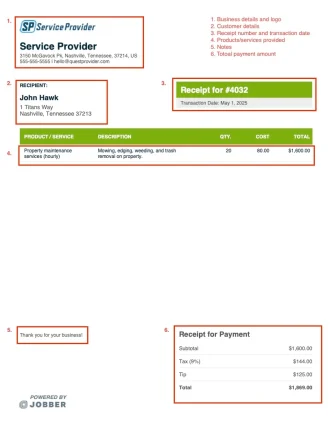
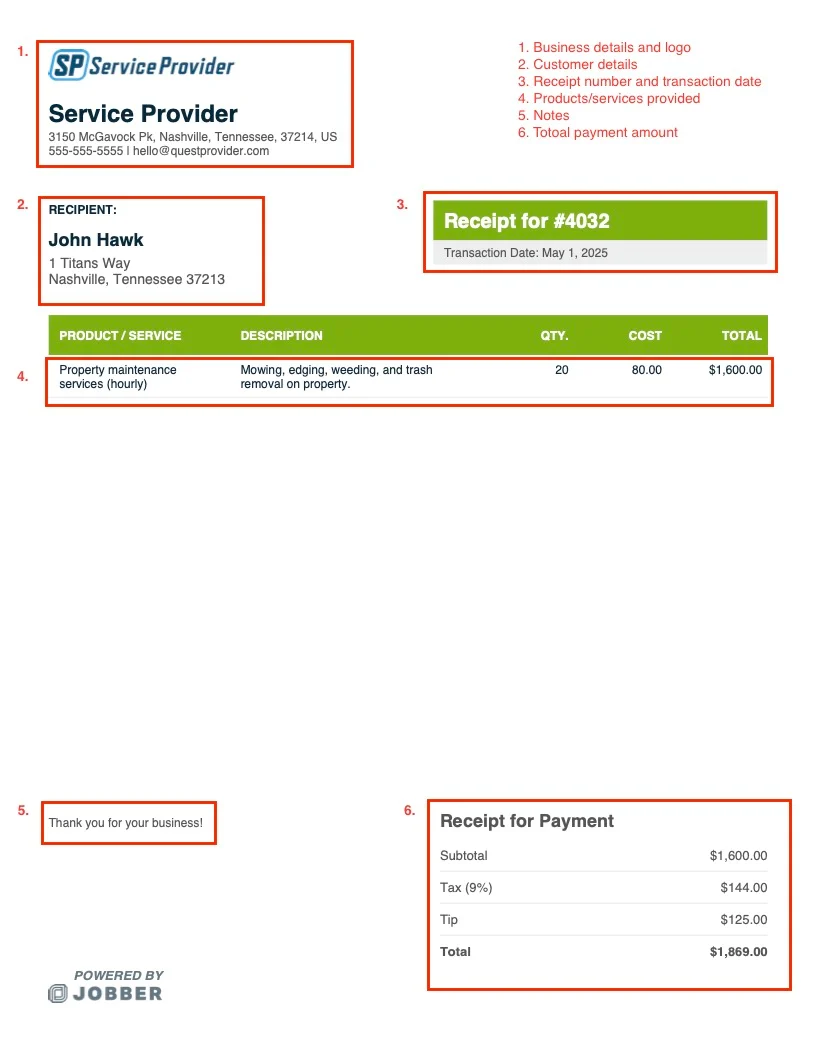
A modern receipt maker functions as a digital bridge between a transaction and its official record. These tools move beyond physical paper, allowing users to log financial data electronically. By turning simple inputs into structured documents, they provide a reliable way to verify exchanges.
How digital tools replace traditional paper logs
Traditional paper logs often face risks like fading ink, physical damage, or simple misplacement during daily operations. Moving to digital logs allows for immediate storage in stable environments. This change ensures that documentation remains legible long after a transaction concludes.
Cloud storage provides a secure home for these records, making them searchable and retrievable in seconds. Organizations no longer sort through physical cabinets or stacks of folders. This transition significantly lowers the time spent filing while increasing the reliability of historical financial data for reporting.
By digitizing the process, businesses eliminate the risks associated with manual filing systems. The digital approach makes it possible to maintain long-term access without physical decay. Data stays protected and available whenever it is required for review.
Key elements included in a standard digital receipt
Every professional receipt requires specific data points to be valid for accounting purposes. A standard record includes the business name, accurate contact details, and the transaction date. These basics ground the document in a specific time and place of operational activity.
Beyond basic identification, receipts must clearly detail the items or services exchanged. Prices, tax rates, and the final grand total are essential for reconciliation. Including these variables ensures that anyone viewing the document understands exactly what was paid and why the payment occurred.
Many modern documents also require signature lines or unique identifiers to confirm their authenticity. These elements create a formal proof of payment that satisfies both the buyer and the merchant. Having a consistent structure helps everyone maintain clear financial visibility.
Differences between generic templates and specialized software
Generic templates often provide a simple layout that meets basic visual needs but lacks underlying functional power. These static files require users to handle calculations manually, which leaves significant room for arithmetic errors. They are usually best for infrequent, simple tasks where complex data is not necessary.
Specialized software offers a more dynamic experience by handling complex calculations automatically. These tools integrate logic into the creation process, ensuring that totals and tax rates are accurate from the start. They often provide features like template customization and automated record saving.
MakeReceipt offers a range of tools that allow users to generate various receipt formats, such as retail, restaurant, or fuel station styles. By choosing a dedicated system over a static template, business owners ensure their documentation meets industry standards while saving time. A specialized tool ultimately provides a more reliable foundation for tracking money.
Increasing speed in financial documentation
Speed is a crucial asset when managing a high volume of transactions during a busy workday. By using automated systems, businesses can produce records as soon as a payment is confirmed. This removes the wait time typical of traditional manual processing methods.
Reducing manual data entry through automation
Automated systems drastically shorten the time required to log individual transactions. By pre-filling business addresses and tax rates, these platforms ensure that repetitive data is populated instantly. This efficiency allows staff to focus on higher-value tasks.
- Improved data entry precision
- Faster record generation cycles
- Integration with existing bookkeeping software
- Instant delivery via digital channels
By shifting to automated workflows, teams reduce the likelihood of transcription errors. Each entry is cleaner and easier to manage over the long term. Adopting these systems represents a vital upgrade for efficiency in any modern business environment.
Instant generation for client satisfaction
Clients appreciate receiving clear, professional receipts immediately following a business interaction. Delays in documentation can lead to frustration or concerns about the legitimacy of a transaction. Generating the record on the spot builds immediate rapport and simplifies the customer experience.
Providing a draft on the spot puts clients at ease during the payment phase. They walk away with proof of the transaction without needing follow-up emails. This responsiveness is a hallmark of a professional business that values its clients’ time.
Speedy document delivery ensures that clients remain satisfied throughout the entire service period. It demonstrates that the business is organized and respects the need for clear financial records. When a client knows their records are handled well, they are more likely to return.
Streamlining the payout and reimbursement process
Quick documentation is vital for teams that frequently manage travel-related expenses or office purchases. Professionals need to submit their receipts immediately to facilitate fast reimbursement cycles. This internal speed ensures that funds are returned to the employee without unnecessary delays.
Centralized systems allow managers to approve expenses as they appear in the queue. There is no need to chase down loose papers or unclear notes months after a project ends. Real-time logging makes the approval process fluid and predictable for everyone involved.
Streamlined payouts create a healthier relationship between the organization and its team members. When staff are reimbursed promptly, they feel supported and trusted in their daily work. Efficiency in this area ultimately strengthens the internal financial culture of the company.
Enhancing professional image with custom receipts
Appearance matters when you are presenting financial details to a partner or a customer. A custom receipt template suggests that a business is established, professional, and attentive to detail. It turns a mundane requirement into an extension of the brand identity itself.
The impact of branded templates on client trust
Branded documents help reinforce the visual identity of a business every time a client handles a payment. When a receipt features a clean logo and professional formatting, it signals credibility to the recipient. Clients feel more secure knowing they are dealing with a recognized, consistent entity.
Trust is built through these small, repetitive touchpoints that occur during every transaction. A professional-looking document confirms that the provider is serious about their work. It separates the business from less organized competitors by providing a polished interface.
Using a consistent design across all financial documents helps solidify the brand in the client’s mind. It provides a visual guarantee that the receipt belongs to the business they hired. Ultimately, this branding serves as a silent ambassador for the quality expected from the service.
Customizing fields for industry-specific data
Different industries require different types of data, and receipts should reflect those specific needs. A restaurant receipt might focus on tipping and itemized courses, while a taxi receipt highlights distance and time. Customizing these fields ensures the document is always relevant.
| Industry Context | Key Field Requirements | Best Practice | |
| Retail Store | SKU and Tax Code | Itemized List | |
| Service Provider | Hourly Rate and Hours | Description Field | |
| Fuel Station | Pump Number and Octane | Specific Identifier |
By adjusting these fields, businesses provide a more useful document for their clients. A receipt that includes exactly what the customer needs is more likely to be accepted without follow-up questions. Choosing a platform like MakeReceipt allows users to edit these fields as needed for specific roles.
Maintaining consistency across all transaction documents
Consistency creates a predictable experience for clients and helps keep internal records organized. When every form of payment entry follows the same structural standards, data becomes easier to track. A unified approach ensures the entire business operates under a single, coherent vision.
Maintaining a standard template allows for quicker auditing and analysis over time. Whether the transaction was made in person or remotely, the output should remain recognizable. This visual harmony simplifies the life of the person reviewing the records later.
A brand that presents consistent documents appears more mature and reliable. It shows that there is a standard set in place for all administrative tasks. This internal maturity translates directly into a higher level of confidence for all stakeholders.
Improving accuracy for tax and bookkeeping
Financial accuracy is the backbone of any healthy, growing business. When invoices and receipts are generated using defined systems, the risk of human error drops significantly. This approach makes tax season much less stressful for everyone involved in the process.
Minimizing human error in calculations
Manual calculations are prone to simple mistakes that can cause large discrepancies over a fiscal year. Automated tools ensure that tax, subtotals, and totals are computed according to pre-defined rules. This prevents accidental rounding errors that often plague handwritten documentation.
By relying on machine precision, business owners can be confident in the figures they report for tax purposes. Every cent is accounted for within the structure of the document. The output is consistent, repeatable, and entirely free from math-related oversights.
Accuracy is not just about avoiding errors; it is about establishing a reliable financial baseline. When you trust your data, you can build your business strategy on facts. High-quality documentation is the first step toward reaching this level of operational clarity.
Organizing financial records for easier audits
Audits are a reality for any business, and being prepared is the best way to handle them. When all receipts are saved in a digital, searchable system, the audit process becomes manageable. Accountants can access every document quickly to verify expenses and income sources.
With MakeReceipt, organizing these records becomes an efficient part of the workflow. The ability to categorize and export receipts ensures that no document is lost or forgotten. This organization demonstrates a commitment to transparency that auditors consistently find favorable.
Having records organized well in advance keeps the pressure off during mandatory reviews. Everything is ready to present, so the business can continue operating without getting bogged down by paper hunts. This preparation saves significant time and professional fees during busy periods.
Tracking payment status in real-time
Real-time tracking provides a clear picture of cash flow as it happens throughout the day. Businesses can see which payments have been received and which are still pending action. This visibility is vital for managing resources effectively.
Knowing the exact status of each transaction allows for better decision-making on inventory and service delivery. It prevents the mistakes that happen when teams assume a payment has been processed when it has not. Real-time updates keep the entire team synchronized.
By monitoring payment status as it changes, leadership can act quickly if issues arise. This proactivity keeps the business running smoothly and prevents surprises at the end of the month. Clear status tracking is a key capability for maintaining a healthy bottom line.
Security considerations for digital invoices
Security is paramount when you handle financial documents containing customer details. Data protection begins with choosing the right platform for storage and transmission. Only authorized systems should be used for managing invoice data.
Ensuring data protection during cloud storage
Cloud storage remains a powerful method for keeping records safe from physical disasters like fires or hardware loss. Encryption protocols ensure that this data stays away from prying eyes while it sits on the server. Business owners should choose platforms that prioritize standard security measures.
Storing records in the cloud means they are available globally while remaining under local restricted access. Regular backups ensure that data survives potential system failures. These measures provide peace of mind that important financial history is never permanently lost.
Security is a fundamental requirement for anyone building a modern, digital-first business. By trusting their data with secure providers, owners protect their reputation and their clients’ privacy. This is a non-negotiable aspect of digital financial management.
Implementing secure delivery methods for receipts
Delivering receipts securely is just as important as how they are generated in the first place. Emailing sensitive documents requires encrypted connections and password-protected files where necessary. Modern platforms make this process seamless without sacrificing the safety of the information.
Financial documents should only be transmitted through channels that verify both the sender and the recipient. Secure delivery builds confidence that private transaction data reaches the intended person without exposure to third-party traffic.
By following secure delivery protocols, businesses show they value their client information. This care prevents account takeovers or information leakage that could damage long-term trust. It is an essential step in maintaining a professional service relationship.
Managing access levels for multiple team members
When a team works together to manage finances, they must use platforms that support granular permissions. Giving every employee full access to sensitive records is a security risk that can be easily avoided. Administrators should grant just enough access for the specific role the user holds.
Permission management ensures that financial records are modified only by those with the authority to do so. It limits the chance of internal errors or intentional data changes. This system of checks and balances keeps the entire administrative process safer.
Strong access control is a sign of a well-run business with a clear hierarchy of responsibility. It allows the team to be productive without compromising the total security of the financial data. A thoughtful approach here protects the business from the inside.
Best practices for implementing receipt makers
Choosing a system is just the start of the implementation process for any growing business. Teams must understand how to integrate these tools into existing workflows to maximize their value. Planning for future growth ensures the chosen solution stays relevant for years.
Evaluating the cost versus value of paid subscriptions
When evaluating paid systems, business owners should compare the cost of a subscription against the time saved by a receipt generator. A subscription might offer advanced features like branding, cloud syncing, and multi-user access that simple free tools lack. These features represent a tangible return on investment.
Investing in a reliable tool removes the hidden costs of manual work and human error. When employees spend less time on administration, they contribute more to revenue-generating activities. The subscription cost quickly pays for itself through increased productivity and operational confidence.
Businesses should choose plans that provide the right feature balance for their current and short-term needs. Starting with a scalable plan helps maintain flexibility. This evaluation ensures the business spends money only on capabilities that genuinely move the needle.
Assessing mobile accessibility for on-the-go professionals
Mobile accessibility is essential for professionals who bill clients while working in the field. Having the ability to generate a receipt on a phone or tablet ensures that documentation is captured at the moment of payment. It eliminates the need to record notes that must be typed up later.
Platforms that offer mobile-friendly interfaces or dedicated apps help freelancers maintain high productivity anywhere. They can create, save, and send documents while away from a traditional desk. This mobility is a major advantage for service-based businesses.
Checking that a platform works well on mobile devices is a critical step in the selection process. A mobile-focused workflow keeps the business agile and ready to serve clients at any time. This adaptability is key for any modern professional.
Scaling receipt creation as your business grows
As a business scales, the volume of transactions will inherently increase, potentially overwhelming simple processes. Reliable receipt solutions allow for handling more volume without requiring extra headcount or manual effort. This scalability is necessary for long-term growth.
Choosing a system that grows alongside the business ensures that staff do not need to switch platforms unexpectedly. A solution that handles 10 transactions a month should be just as comfortable handling 1,000. Consistent infrastructure is vital for the health of a growing operation.
Planning for growth means anticipating future needs regarding storage and team access tonight. By selecting robust software today, the business owner avoids the headache of migrating data later. Careful planning now sets the stage for a smoother, faster expansion.
Conclusion
Adopting a digital receipt maker helps businesses secure their records, speed up internal workflows, and maintain a highly professional appearance. By moving away from manual, error-prone templates and utilizing dedicated solutions, companies build a, reliable foundation for their financial health. These tools remain essential for any organization that values precision, speed, and client trust in today’s competitive environment.