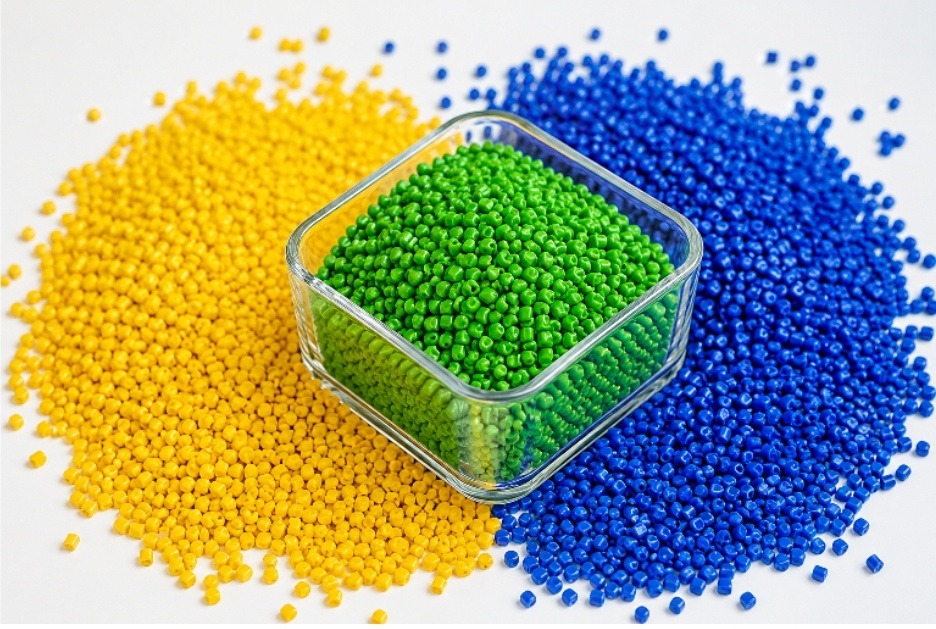
For a long time, factory managers and procurement teams treated recycled resin like a bad compromise. The mindset was simple: if a plastic pellet came from a recycling bin, it just couldn’t match the rock-solid consistency of virgin plastic. Honestly, ten or fifteen years ago, that skepticism was completely fair. The tech wasn’t there yet, and quality control was all over the place.
But things have changed completely.
Today, heavy-duty industrial recycling is a highly engineered operation. We are talking about advanced sorting systems, specialized washing tech, and rigorous lab testing. High-quality recycled plastic granules are consistently meeting strict specs for injection molding and extrusion in heavy industries like automotive manufacturing, consumer goods, and high-speed packaging lines.
The real difference isn’t that recycled resin magically turned identical to virgin plastic on a chemical level. The difference comes down to the supplier’s process. Quality depends on how they source, clean, test, and control the material batches.
The Supply Chain Problem Starts at the Source
Every single batch of recycled plastic carries the history of whatever it used to be. That’s why managing your feedstock is everything.
Cheap recyclers just dump mixed plastic scrap into a shredder. Premium suppliers don’t do that. They build tightly controlled supply chains that sort materials by resin type, application, and even color before any processing starts. Mixing HDPE, PP, and other polymers is a recipe for a manufacturing nightmare.
If your feedstock is a messy mix, your material properties will swing wildly from batch to batch. That means your operators will constantly have to adjust machine settings just to keep production moving. Clean, segregated feedstock is the only way to get recycled plastic granules that actually behave the same way every time you hook up a new bulk box to your line.
Contamination Controls Prevent Press Downtime
Contamination is the primary reason procurement teams are terrified of switching away from virgin materials.
Think about what hides in post-consumer scrap: adhesives, inks, paper labels, dirt, food scraps, and metal bits. If those contaminants sneak through your melt filtration, you face serious floor issues. We are talking about blocked nozzles, black specks in your parts, weird surface finishes, and brittle plastic that fails drop tests.
Top-tier recycling plants combat this by running materials through multiple washing stages, automated optical sorting, and heavy-duty melt filtration. Removing microscopic debris before the plastic gets pelletized is what separates high-performance engineered resin from low-grade commodity scrap.
Keeping Polymer Chains Intact
You might not talk about molecular weight during your morning production meetings, but your machine operators feel its impact every day.
When plastic gets blasted with excessive heat or processed over and over, its polymer chains snap and get shorter. That lowers the molecular weight. For you, that means a massive drop in impact resistance, part strength, and predictable flow rates inside the mold.
Smart recycling operations keep a strict eye on temperature limits and processing speeds. The goal is to protect the original molecular structure as much as possible so the final plastic granules flow properly during your extrusion or molding cycles. It explains why two batches of plastic from similar waste streams can perform completely differently on your shop floor.
Predictability Over Perfection
In a manufacturing environment, you don’t necessarily need a flawless molecular structure. What you actually need is predictability.
When you are qualifying a recycled resin supplier, these are the core metrics you need to watch on the technical data sheets:
Melt Flow Index (MFI): If this jumps around, your filling cycles will be a mess.
Density: Essential for keeping your part dimensions inside tolerance limits.
Color Consistency: Nobody wants a shipment of bottles where half are dark grey, and the other half are off-white.
Tensile and Impact Strength: Ensuring the finished part doesn’t crack under stress.
Reliable suppliers run routine testing on every single batch and supply real technical data sheets. This consistency lets your setup technicians dial in the injection pressures and barrels.
Certifications You Can Actually Trust
A supplier can tell you their resin is premium all day long, but independent verification takes out the guesswork. Look for facilities that carry actual credentials:
ISO 9001: Proves they use a real, documented quality management setup.
ISO 14001: Shows they handle their environmental impact properly.
UL 2809: An independent audit that verifies their recycled content claims are actually accurate.
A piece of paper won’t magically fix a bad batch of plastic, but it tells you the supplier uses a repeatable process instead of just winging it day by day.
Real Floor Performance vs. Price Tags
Let’s look at how this plays out in a real factory setting.
A home care brand decided to swap virgin HDPE for a high-quality recycled blend to make its detergent bottles. Because they picked a supplier with airtight batch controls, their line efficiency stayed steady. The wall thickness was right on spec, the bottles passed top-load compression tests, and the high-speed filling lines didn’t jam once. They cut their virgin plastic reliance without hurting output.
Now consider the other side. Another manufacturer bought the cheapest recycled plastic granules they could find from an unverified broker. The purchase price looked amazing on paper. But on the floor? The melt flow shifted mid-production, colors drifted, and parts started warping. Their technicians spent hours adjusting machines, scrap rates skyrocketed, and the downtime completely wiped out whatever money they saved on the raw material.
The Procurement Rule: Buying cheap, unverified resin usually costs way more in the long run due to floor waste and ruined production schedules.
Squeezing Out True Operational Value
Procurement decisions almost always start with the cost per kilogram. That’s understandable. But high-end recycled plastic granules cost more because the supplier invests heavily in optical sorting, deep cleaning, and lab testing.
Those upstream steps save you a fortune on your own floor. When you run uniform material, you get fewer rejected parts, less machine wear, and fewer complaints from your quality control team. The price of the material is only one part of your total manufacturing cost.
Choosing a Supplier Who Can Deliver
Virgin plastic isn’t going away anytime soon. Highly regulated sectors like medical devices or specialized food packaging still require it because of strict safety laws. But for household packaging, consumer goods, and industrial parts, recycled options are fully matching virgin performance while keeping your supply chain resilient.
If you are looking for a reliable partner, companies like Banyan Nation show how this works in the real world. They utilize data-driven sourcing and proprietary cleaning setups to strip out over 90% of contaminants, inks, and odors from post-consumer HDPE and PP. The result is near-virgin quality plastic granules with complete batch traceability. It helps global brands hit strict Extended Producer Responsibility (EPR) mandates without risking packaging failures.
The big question isn’t whether recycled plastic is ready for your factory floor. It’s whether your supplier has the technical discipline to deliver the exact same pellet quality week after week.