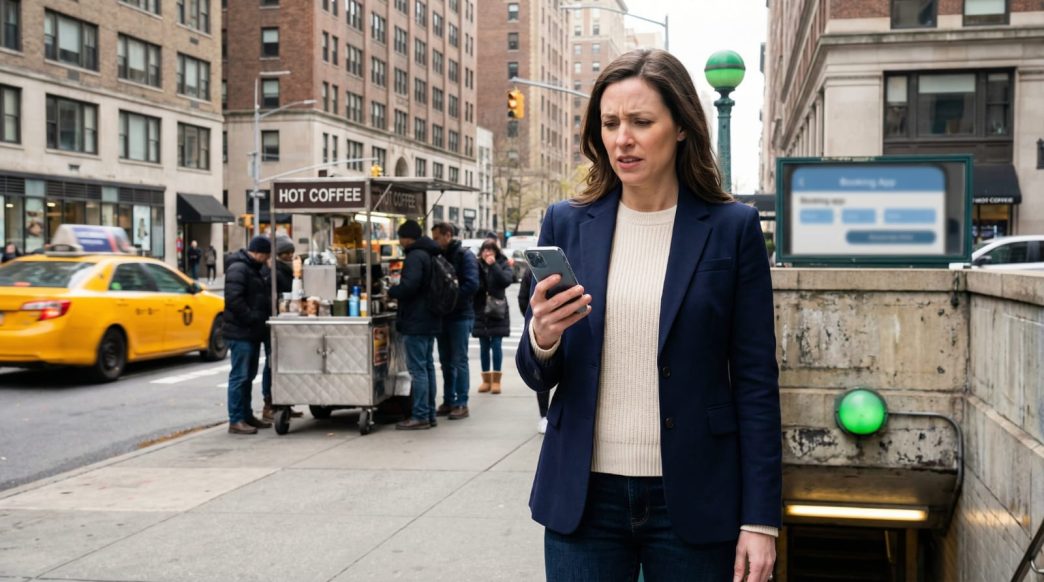
You need a meeting room for two hours tomorrow afternoon. So you go to Google and search for coworking spaces in NYC. Sounds like a straightforward process, doesn’t it? But then reality strikes.
The coworking space wants a $600 monthly membership just to access their booking system. The hotel conference room costs $150 per hour and you’re paying for a 20-person setup when you only need four seats. The coffee shop “meeting area” is just a corner table next to the espresso machine.
For remote workers, freelancers, and small teams in New York, finding meeting spaces that actually work has become a part-time job. The city has thousands of conference rooms, but the majority are locked behind expensive memberships, overpriced for what they offer, or simply not designed for real work.
Here’s what most meeting room directories won’t tell you: the space itself is only half the equation. What happens inside that room (the energy, focus, and quality of conversation) depends on factors that rarely show up in a booking confirmation.
Cost of Bad Meeting Spaces
According to Fellow’s 2024 research, the average professional spends 11.3 hours per week in meetings, roughly 28% of their entire workweek.
Research suggests that environmental factors can impact meeting productivity by up to 25%. For anyone spending significant time in meetings each week, that adds up fast. It’s not just inconvenient but also expensive.
What to Actually Look for in NYC Meeting Rooms?
Most guides tell you to check for WiFi, whiteboards, and coffee. But those are bare minimums. Here’s what separates great meeting spaces:
Acoustic Privacy
Sound moves around in Manhattan. If someone next door is pitching investors, you will hear all they say. This is why it is so important to look for locations with actual walls rather than glass panels with a two-inch gap at the top.
Natural Light
Underground conference rooms might be cheaper, but studies show natural light improves alertness, mood, and cognitive function. If your meeting involves creative thinking, windowless basements aren’t doing you any favors.
Flexible Seating
Not every meeting needs a boardroom setup. The best meeting rooms offer adaptable configurations rather than forcing you into one arrangement.
The Commute Factor
A meeting room in FiDi doesn’t help when half your team is coming from Brooklyn. Consider transit accessibility over a nicer address.
The Hourly Booking Revolution
The traditional coworking model – monthly memberships, annual contracts, dedicated desks – was built for a different era. It assumed people needed the same workspace, in the same location, every single day. But that’s not how most people work anymore.
According to research from Zoom and Reworked INSIGHTS, 64% of employees say their company currently operates on a hybrid model. They might need a conference room in SoHo on Tuesday, a quiet desk in Williamsburg on Thursday, and a meeting space near Penn Station on Friday.
This shift has created a demand for meeting rooms that can be rented by the hour without requiring membership or long-term commitment. You can simply book spaces as needed.
Neighborhood Guide: Where to Find Meeting Spaces Near You
New York isn’t one market; it’s dozens of micro-markets. Here’s what to expect by neighborhood:
Midtown Manhattan
Often chosen for: Client meetings, centrally located gatherings, and attendees coming from multiple parts of the city.
The highest concentration of meeting rooms and conference facilities, but also some of the highest prices. Quality varies dramatically—from older business centers to newly renovated spaces.
Flatiron and NoMad
Often chosen for: Teams looking for a balance of professionalism, convenience, and modern design.
A mix of contemporary meeting spaces, hospitality venues, and converted loft-style buildings that appeal to a wide range of businesses.
SoHo and Tribeca
Often chosen for: Meetings where atmosphere, hospitality, or a distinctive setting are important.
Known for character-filled venues and design-forward spaces, though premium locations often command premium pricing.
Brooklyn (DUMBO, Williamsburg, Downtown Brooklyn)
Often chosen for: Collaborative team sessions, offsites, and groups with attendees based in Brooklyn or spread across the city.
Offers a broad range of meeting environments, from polished conference facilities to more informal gathering spaces.
Lower Manhattan (FiDi, Seaport)
Often chosen for: Downtown-based teams, client meetings, and groups looking for modern meeting options outside Midtown.
Many properties have invested heavily in flexible meeting and workspace offerings in recent years, creating a wide range of options.
Beyond the Conference Room: Rethinking How Meetings Work

Recent data suggests that professionals who work alongside others – even people they don’t know – report productivity gains of 1.5x to 2x compared to working alone. The energy of a focused environment and the subtle accountability of being surrounded by other people doing real work create conditions a private conference room can’t replicate.
What if, instead of isolating your team in a sterile conference room, you held working sessions in environments designed to support focus and connection?
Platforms like Wayo facilitate Community Workdays at host venues across NYC – restaurants, rooftops, and other distinctive locations where professionals gather to work alongside one another. Early feedback suggests these environments help create the conditions for better outcomes than traditional meeting rooms, particularly for collaborative work and brainstorming sessions.
The host venues provide the space. The platform facilitates the experience through its booking platform. You get the flexibility of day access alongside a professional community.
How to Book Meeting Rooms by the Hour in NYC
Ready to start booking meeting spaces more intelligently? Here’s a practical framework:
Define Your Actual Needs
How many people? What’s the purpose? Do you need AV equipment? Will participants join remotely? These details matter more than square footage.
Check Multiple Platforms
No single platform has every space. Look for platforms that curate quality rather than just aggregating inventory – there’s a difference between 500 options and 50 good ones.
Read Recent Reviews
A conference room that was great in 2022 might have deteriorated. Prioritize reviews from the past six months and pay attention to operational details.
Book Buffer Time
NYC meeting rooms often run back-to-back. Build in 15 minutes before and after for setup and transition.
Have a Backup
Technology fails, and double bookings happen. Know your secondary option before you need it.
The Future of Meeting Spaces in New York
The meeting room landscape in NYC is changing faster than most realize. Empty retail spaces are being converted to flexible meeting venues. Restaurants are monetizing downtime hours by accommodating professional gatherings. Rooftops, private studios, and unconventional spaces are entering the market.
This expansion of supply is good news for anyone searching for meeting rooms near me. More options mean more competition, which should drive prices down and quality up.
Booking platforms, which connect people to Community Workdays at host venues, are increasingly focused on curation rather than aggregation. The question isn’t “how many conference rooms can we list?” but “which spaces actually support productive meetings?”
Final Thoughts
Finding conference rooms and meeting spaces in NYC doesn’t have to be frustrating anymore. The city has more options than ever, from traditional corporate facilities to community-driven experiences at distinctive host venues.
The way we work has changed. The way we meet should too.
Whether you need a quiet conference room for a client call or a Community Workday where focused professionals work alongside each other, NYC now offers flexible options that didn’t exist five years ago. The only question is what works best for you.