In today’s digital-first economy, brands have access to more consumer data than ever before. Yet having data is not the same as understanding people. Organizations often struggle to translate large volumes of customer information into meaningful marketing strategies that resonate with real audiences.
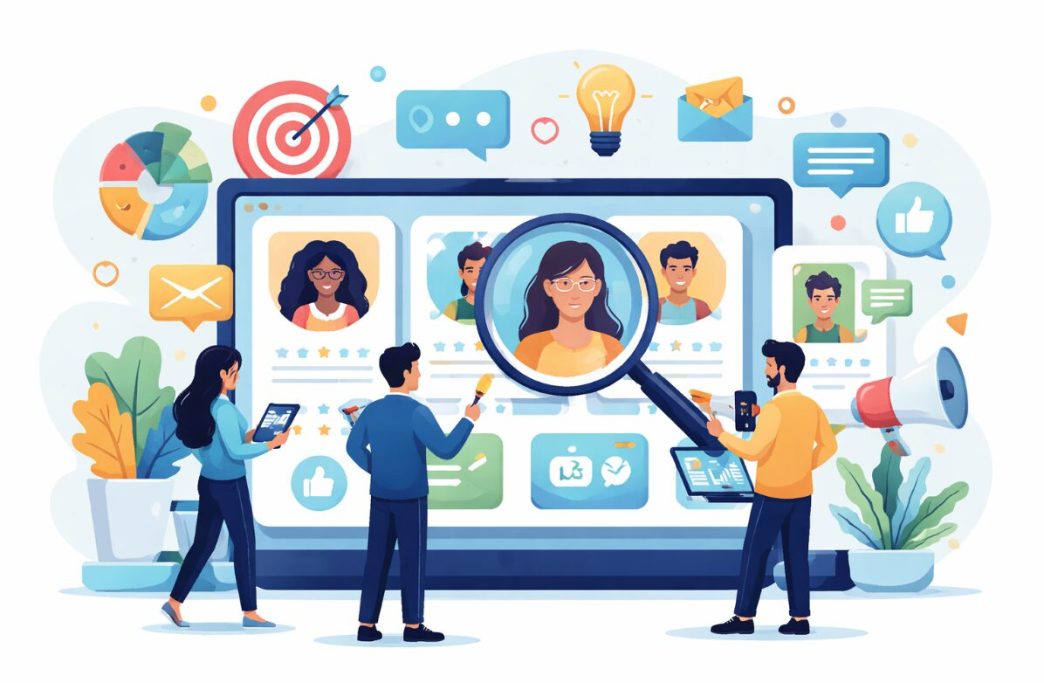
This challenge has fueled the rise of AI-powered audience modeling, helping marketers move beyond traditional demographics and build more accurate representations of customer behavior. By combining advanced analytics with creative execution, brands can develop campaigns that are not only data-driven but also highly engaging. The result is a more effective path from insight to experience.
The Shift from Traditional Personas to Data-Driven Modeling
For decades, marketers relied on customer personas built from surveys, focus groups, and historical purchase data. While useful, these methods often provided only a partial picture of audience motivations and behaviors.
Today, advances in artificial intelligence and machine learning allow companies to create more dynamic audience profiles. Tools that leverage synthetic personas can help marketers simulate customer segments based on large-scale datasets, behavioral patterns, and predictive modeling. Rather than relying solely on assumptions, brands can explore how different audience groups may respond to products, messaging, or experiences before launching a campaign.
This shift enables organizations to make more informed decisions while reducing the risks associated with trial-and-error marketing.
Why Consumer Insights Alone Are Not Enough
Gathering insights is only the first step. The real challenge lies in turning those insights into memorable customer experiences.
Consumers interact with brands across multiple channels, including websites, social media platforms, retail locations, events, and mobile applications. A successful campaign requires consistency across these touchpoints while maintaining relevance to the target audience.
When insights remain confined to dashboards and reports, their business value is limited. Brands that outperform competitors are often those that transform customer intelligence into tangible experiences that encourage participation, engagement, and loyalty.
Bridging the Gap Between Data and Experience
Personalization at Scale
Modern consumers expect personalized interactions. AI-driven audience modeling allows marketers to understand customer preferences, purchasing habits, and communication styles on a deeper level.
By applying these insights, brands can tailor messaging, content recommendations, and promotional offers to specific audience segments. Personalized campaigns tend to generate stronger engagement because customers feel that the brand understands their needs.
Creating Meaningful Brand Interactions
Data becomes most valuable when it influences real-world experiences. Many organizations use audience intelligence to shape event strategies, product launches, and experiential marketing initiatives.
For example, customer insights can help determine the type of experiences audiences are most likely to engage with, whether that involves interactive product demonstrations, digital activations, or community-driven events. Businesses seeking to translate audience understanding into memorable customer engagement often explore approaches such as a Brand activation service that focuses on creating immersive experiences aligned with consumer interests and behaviors.
The key is ensuring that every interaction reflects insights gathered from audience research rather than relying on generic marketing tactics.
How Leading Brands Use Synthetic Personas
Testing Campaign Concepts
Before investing significant resources into a campaign, marketers can use audience simulations to evaluate messaging, creative concepts, and communication strategies. This helps teams identify potential weaknesses and optimize campaigns before launch.
Improving Product Positioning
Synthetic audience models can reveal how different customer segments perceive a product or service. These insights help brands refine positioning strategies and highlight features that matter most to specific audiences.
Enhancing Customer Journeys
Understanding how consumers move through the buying process enables brands to eliminate friction points and create more seamless experiences. Whether online or offline, customer journeys become more effective when informed by behavioral intelligence.
The Role of Technology in Modern Marketing
The integration of AI into marketing workflows is transforming how organizations make decisions. Predictive analytics, machine learning, and advanced audience modeling provide marketers with actionable insights that were previously difficult to obtain.
However, technology alone does not guarantee success. Human creativity remains essential for developing compelling stories, experiences, and campaigns that resonate emotionally with audiences.
The most effective brands combine data-driven intelligence with creative execution. They use technology to understand customers and creativity to connect with them.
Looking Ahead
As consumer expectations continue to evolve, brands will need more sophisticated ways to understand and engage their audiences. The future of marketing lies in combining predictive insights with authentic experiences that create lasting connections.
Organizations that successfully bridge the gap between audience intelligence and customer engagement will be better positioned to build trust, increase loyalty, and improve campaign performance. By leveraging tools such as synthetic audience modeling and translating insights into meaningful experiences, marketers can create campaigns that deliver measurable business impact while remaining relevant in an increasingly competitive marketplace.
Conclusion
The journey from data to experience is becoming one of the defining challenges of modern marketing. While data provides valuable insights, true success comes from applying those insights to create experiences that resonate with customers.
Brands that embrace AI-powered audience modeling, including the use of synthetic personas, can gain a deeper understanding of consumer behavior and make smarter marketing decisions. When combined with thoughtful execution and customer-centric experiences, these insights help create high-impact campaigns that drive engagement, loyalty, and long-term growth.