Fitness used to be simple. You went for a run, lifted weights, joined a class, or followed a routine from a magazine. Maybe you counted reps in your head. Maybe you guessed how far you walked. If you felt tired, you slowed down. If you felt good, you pushed harder.
Now your watch knows your heart rate. Your phone tracks your route. Your app tells you when to rest. Your smart scale logs your weight trend. Your online fitness group cheers when you finish a workout before breakfast.
That sounds a little funny when you say it out loud, but it also shows how much exercise has changed.
Tech-enabled fitness has moved from a niche habit into daily life. It is not just for athletes or people training for marathons. It is for parents trying to walk more, remote workers fighting stiff backs, students tracking sleep, and beginners who want structure without paying for a full-time coach. Apps, wearables, and workout data now shape how people move, recover, and stay motivated.
And honestly, that is both exciting and a little overwhelming.
Your Workout Has a Dashboard Now
A workout used to end when you stopped moving. Now it often continues on a screen.
You finish a run and check your pace. You complete a cycling session and review your power output. You take a walk around the block, and your phone tells you that you closed your activity ring. This feedback loop has become part of the workout itself.
Apps like Strava, Nike Run Club, Garmin Connect, Fitbit, Apple Fitness, Peloton, Samsung Health, and MyFitnessPal have turned movement into something you can see, save, compare, and adjust. For some people, that makes exercise feel less vague. Instead of saying, “I should get fitter,” you can say, “I walked 6,000 steps today, and I want to reach 8,000 tomorrow.”
That little shift matters.
Numbers Make Progress Feel Real
Progress is easy to miss when it happens slowly. You do not wake up one morning and suddenly feel like a new person. Most fitness gains arrive quietly. Your breathing feels better on the stairs. Your legs do not burn as fast. Your resting heart rate drops a bit. You sleep more deeply after regular movement.
Data helps people notice those small wins.
A running app shows that your usual route took two minutes less than last month. A smartwatch shows that your heart rate stayed lower during the same workout. A strength training app reminds you that you lifted heavier than you did three weeks ago.
That kind of proof keeps people going.
Still, numbers do not tell the whole story. A watch cannot fully understand stress, grief, parenting, a rough workweek, or the simple fact that your body feels off today. Data helps, but it should not boss you around. You are still the person living in the body.
Wearables Turn Fitness Into a Daily Conversation
Fitness watches and trackers have become quite little coaches on the wrist. They count steps, measure heart rate, track sleep, estimate calories, record workouts, and nudge you to stand when you have been sitting too long.
Sometimes those nudges are helpful. Sometimes they are annoying. But they do one important thing: they keep movement in your mind.
You do not need to train like an athlete to benefit from that. A reminder to walk after lunch can break up a long desk day. A sleep score can make you rethink late-night scrolling. A heart-rate alert can make you notice stress before it spills into your mood.
You know what? That is where fitness tech gets interesting. It is not only about workouts anymore. It is about patterns.
Heart Rate, Sleep, and Recovery Are Part of the Story
For years, people treated fitness as an effort only. More sweat. More reps. More miles. More grind.
Wearables helped change that thinking. Now recovery has a seat at the table.
Many devices track sleep length, resting heart rate, heart rate variability, oxygen levels, and workout strain. These numbers are not perfect, and they should not be treated like medical results. But they can point to useful trends.
If your watch shows poor sleep for several nights, your hard workout can wait. If your resting heart rate is higher than normal, your body is asking for a lighter day. If your recovery score looks low and you feel worn out, you do not need to prove anything. You need rest.
This matters because fitness is not separate from mental health, stress, or daily pressure. People often start exercising for weight loss or strength, then realize movement also helps them manage mood, anxiety, sleep, and routine. But when stress, substance use, or emotional struggles become serious, fitness apps are not enough. Professional care, such as Addiction and mental health treatment in Massachusetts, can offer the kind of support that a step counter cannot.
That does not make fitness less valuable. It just keeps the picture honest.
Apps Make Exercise More Personal
The old fitness model was often one-size-fits-all. Join a gym. Follow a class. Copy a routine. Hope it works.
Apps changed that. Now you can choose workouts based on your goal, time, equipment, mood, fitness level, and even music taste. You can train for a 5K, build strength at home, stretch before bed, follow yoga on your tablet, or do a 12-minute bodyweight session between meetings.
That flexibility matters because real life is messy.
Some days you have an hour. Some days you have eight minutes and a living room floor. Some days you want a heavy workout. Other days, you need gentle movement because your brain feels like a browser with too many tabs open.
Good fitness apps meet people where they are.
Home Workouts Became Normal, Not Second Best
Home fitness used to be seen as a backup plan. Now it is part of mainstream exercise culture.
Peloton, Apple Fitness Plus, YouTube trainers, Alo Moves, FitOn, Les Mills, and many independent coaches have made guided workouts easy to access. You can train in a small apartment, a garage, a hotel room, or a quiet corner while the kids nap.
This has changed who feels welcome in fitness. Not everyone loves gyms. Some people feel watched. Some feel lost around equipment. Some do not have time for traffic, parking, locker rooms, and crowded classes.
Home workout platforms remove some of that friction.
Of course, they also create new challenges. It is easy to sign up and not show up. It is easy to collect fitness apps like unread books. And it is very easy to compare your beginner body to a trainer who has been filming workouts for ten years.
So the real value is not in having more apps. It is in using one or two tools that fit your actual life.
Fitness Is More Social Than It Looks
Exercise can feel private, but fitness tech has made it social in new ways.
People join step challenges with coworkers. Runners share routes on Strava. Friends compare activity rings. Cyclists ride together through virtual platforms like Zwift. Beginners join online communities where nobody laughs at slow progress because everyone started somewhere.
That social layer is powerful.
A little encouragement can turn a skipped workout into a finished one. A group challenge can make walking feel less boring. A comment from a friend can make a solo run feel connected. It is not the same as meeting people face to face, but it still counts.
Here’s the thing, though. Social fitness can motivate you, or it can mess with your head.
If every workout becomes a post, it is easy to chase approval instead of health. If you compare your pace, body, or routine with everyone else, the joy drains out fast. Technology makes fitness visible, but not every part of your fitness life needs an audience.
Some workouts can stay quiet. Some walks can be just walks.
The Rise of Data-Driven Coaching
Personal trainers used to rely mostly on observation and conversation. They still do, and that human skill matters. But now many coaches also use data from wearables, apps, and connected equipment to guide training.
They can review pace, heart-rate zones, training load, missed sessions, sleep patterns, and recovery trends. That creates a fuller picture than “How did it feel?”
For athletes and serious hobbyists, this helps reduce guesswork. For everyday people, it can make coaching more practical. A trainer can see when someone is doing too much too soon. A physical therapist can guide safer movement after an injury. A running coach can adjust a plan when fatigue starts building.
Data does not replace judgment. It supports it.
Connected Equipment Adds Another Layer
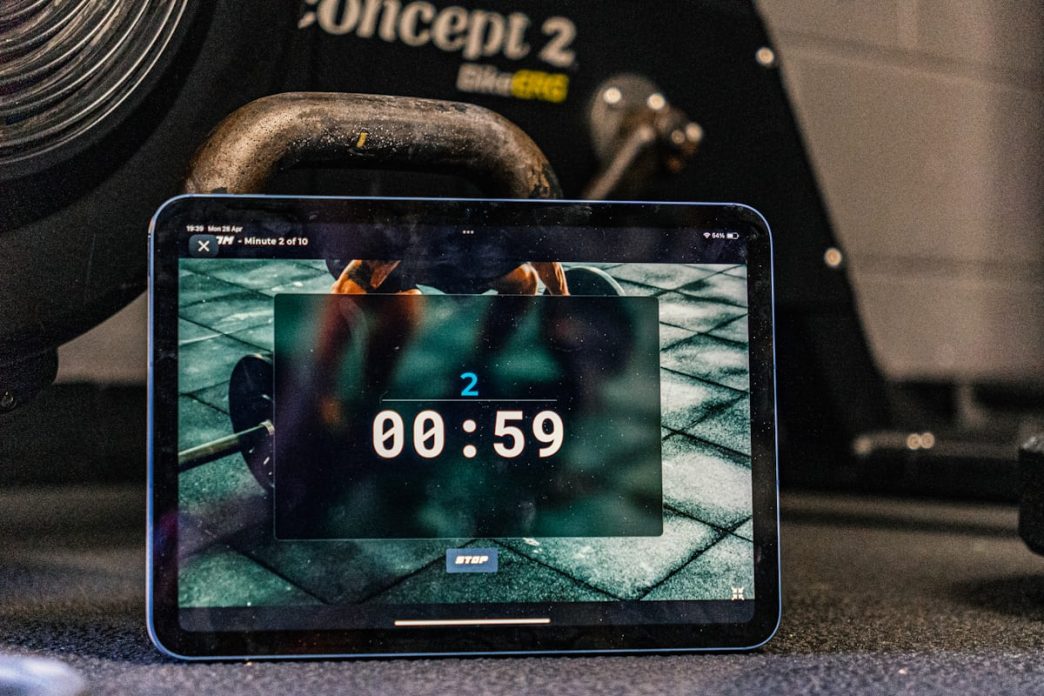
Smart bikes, treadmills, rowers, mirrors, strength machines, and heart-rate monitors have made workouts more interactive. A connected treadmill can change incline during a class. A smart bike can track resistance and cadence. Some strength systems count reps and suggest weight changes.
This turns exercise into something closer to a feedback system. You move, the tool responds, and the session adjusts.
That can be useful, especially for people who like structure. But it can also make fitness feel expensive. Not everyone needs a smart gym at home. A pair of shoes, a mat, and a free app can still do a lot.
The best fitness technology is not always the most advanced. It is the one you use without feeling trapped by it.
When Tracking Becomes Too Much
There is a strange contradiction in tech-enabled fitness. It can make you healthier, but it can also make you more anxious.
You start by tracking steps. Then sleep. Then calories. Then macros. Then workout strain. Then body fat. Then every single trend line. Before long, the app that helped you feel in control starts making you feel judged.
That is the part people do not talk about enough.
Fitness data should inform you, not shame you. Missing a goal does not mean you failed. A low recovery score does not mean your body is broken. A slow run is still a run. A short walk is still movement.
This is especially important for people rebuilding routines after burnout, illness, substance use, or major life stress. Movement can help restore confidence, but pressure can backfire. In more serious recovery situations, structured support such as West Virginia residential rehab plays a different role than fitness tracking because it focuses on care, safety, and long-term stability.
Fitness tech belongs in the wellness toolbox. It is not the whole toolbox.
What This Means for the Future of Workouts
The next phase of fitness will feel more personal, more connected, and more blended into daily life.
We will see smarter apps that adjust plans based on sleep, soreness, goals, and schedule. Wearables will keep improving. Online communities will become more niche, with groups for new runners, busy parents, older adults, remote workers, people managing stress, and people starting over after long breaks.
But the heart of fitness will stay the same.
You still have to move. You still have to breathe through the hard parts. You still have to show up when motivation fades. No app can do a squat for you. No smartwatch can stretch your hips. No data chart can replace the feeling of finishing a workout you almost skipped.
Technology helps by making fitness clearer. It shows patterns. It creates reminders. It adds community. It gives people a sense of progress when progress feels slow.
And that is the real rise of tech-enabled fitness. It is not about turning every person into a data project. It is about giving people better ways to understand their bodies and build habits that stick.
The trick is to use the tools without letting the tools use you.
Track the steps. Watch the trends. Join the challenge. Enjoy the badge if it makes you smile.
Then put the phone down, lace up, and move.