Your customers expect flawless video and voice now. But choosing the wrong WebRTC partner can lead to frustrating delays and dropped calls. How do you find a team that not only builds what you want, but truly understands your needs? Let’s talk about what makes a WebRTC provider stand out.
From telemedicine platforms and contact centers to AI-powered voice applications and collaboration tools, businesses across industries are investing in WebRTC to deliver real-time experiences that users now expect by default.
In this guide, we’ll cut through the confusion. First, we’ll look at the key traits of a top WebRTC development company. Then we’ll highlight the leading companies for 2026 and why they excel. By the end, you’ll know exactly what to look for in your WebRTC partner.
The real question isn’t who builds with WebRTC. It’s who builds it well.
How We Evaluated These WebRTC Development Companies?
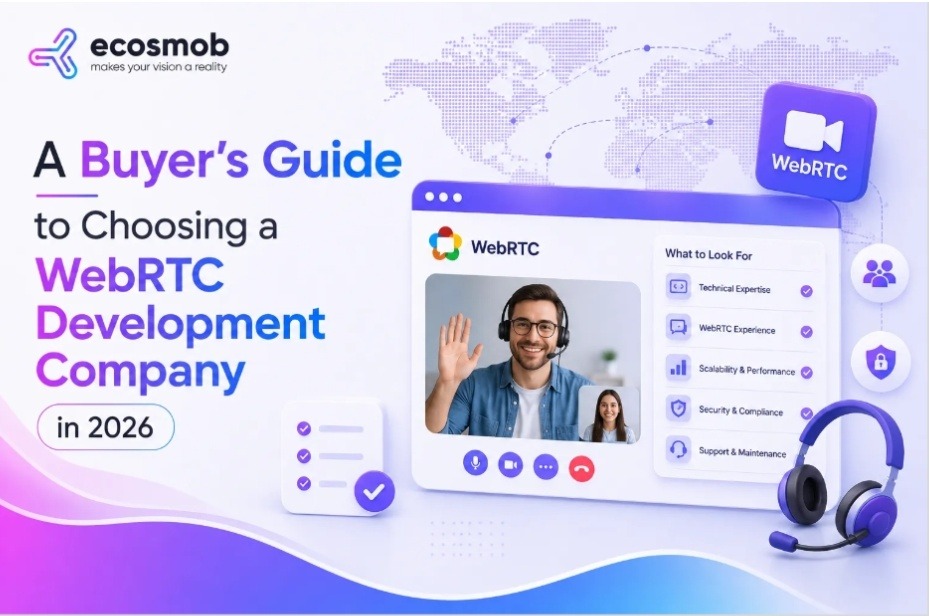
The best WebRTC companies combine real-time communication expertise, scalable engineering practices, and the ability to solve complex business requirements. To make this list practical for decision-makers, we looked beyond company websites and evaluated providers based on the capabilities that directly influence project success and long-term platform growth.
- WebRTC Engineering Expertise
Building with WebRTC requires much more than integrating a video SDK. We evaluated each company’s experience with media servers, signaling architecture, browser compatibility, and real-time communication technologies that power production-grade applications.
- Custom Development Capabilities
Every communication platform has unique requirements. Some businesses need video conferencing, while others need telemedicine platforms or AI-powered voice applications. We assessed each company’s ability to deliver tailored solutions instead of one-size-fits-all implementations.
- Scalability and Performance Engineering
A WebRTC application that works for a hundred users may struggle with thousands. We considered each provider’s experience with high-concurrency environments, media optimization, and infrastructure that supports growth without compromising user experience.
- Integration Experience
Modern communication platforms rarely operate in isolation. We evaluated how effectively companies integrate WebRTC applications with CRM systems, contact centers, SIP infrastructure, AI platforms, and third-party business applications.
- Security and Compliance Capabilities
Real-time communication applications often handle sensitive conversations and customer data. We assessed each company’s approach to security, encryption, compliance requirements, and secure media transmission.
- Industry Experience and Delivery Track Record
Different industries bring different communication challenges. We looked at each provider’s experience delivering WebRTC solutions for healthcare, contact centers, education, fintech, collaboration platforms, and other real-time communication use cases.
Let’s have a look at our WebRTC companies list now!
List of the Best WebRTC Development Company Options in 2026
The demand for real-time communication has created a growing ecosystem of WebRTC specialists, communication API providers, and custom development firms. The companies below stand out for their ability to build scalable voice, video, and collaboration experiences across a wide range of industries.
- Ecosmob Technologies
Ecosmob Technologies is a telecom software development company specializing in custom WebRTC solutions for businesses building real-time communication applications. The company develops browser-based calling platforms, video conferencing solutions, contact center applications, and AI-powered communication systems tailored to specific business requirements.
With extensive expertise in VoIP, SIP, and real-time media technologies, Ecosmob helps businesses build scalable communication platforms that go far beyond standard video and voice implementations.
Key Features and Highlights
- Custom WebRTC application development
- Audio and video conferencing solutions
- WebRTC and SIP integrations
- Contact center and communication platforms
- AI-powered voice and video solutions
- Cross-platform application development
- Scalable media infrastructure
Best for: Businesses requiring highly customized real-time communication platforms, telecom integrations, and long-term scalability.
Deployment Model: Cloud, On-Premise, and Hybrid.
Why it Stands Out: Deep expertise in both WebRTC and telecom technologies enables Ecosmob to build highly customized communication platforms rather than standard implementations.
- Agora
Agora is one of the most recognized providers of real-time engagement APIs. The company offers APIs and SDKs for voice, video, streaming, and interactive applications, helping businesses accelerate development and reduce time to market.
Its infrastructure is designed to support large-scale real-time communication applications across multiple industries.
Key Features and Highlights
- Real-time voice and video APIs
- Interactive live streaming
- Screen sharing capabilities
- Global low-latency infrastructure
- AI-powered voice services
- Cross-platform SDKs
Best for: Businesses seeking API-driven communication experiences with rapid deployment.
Deployment Model: Cloud and SaaS.
Why it Stands Out: Its globally distributed infrastructure makes it a strong option for applications requiring low-latency communication across multiple regions.
- EnableX
EnableX provides communication APIs and customer engagement solutions powered by WebRTC technology. The company offers video, voice, messaging, and customer interaction capabilities for enterprises and digital businesses.
Its portfolio spans communication APIs as well as industry-specific engagement solutions.
Key Features and Highlights
- Video and voice APIs
- Communication SDKs
- Customer engagement solutions
- Screen sharing and recording
- Messaging capabilities
- White-label options
Best for: Enterprises looking for communication APIs combined with customer engagement capabilities.
Deployment Model: Cloud and SaaS.
Why it Stands Out: The company combines communication infrastructure with customer engagement features, making it suitable for businesses building interactive customer experiences.
- MirrorFly
MirrorFly specializes in customizable communication APIs and SDKs for businesses building messaging, voice, and video applications. The company focuses heavily on white-label solutions and deployment flexibility.
Its offerings are widely used by organizations seeking greater control over their communication experiences.
Key Features and Highlights
- Video and voice calling APIs
- Messaging APIs
- Screen sharing
- Group conferencing
- White-label capabilities
- On-premise deployment support
Best for: Businesses requiring customizable and self-hosted communication solutions.
Deployment Model: Cloud, On-Premise, and Hybrid.
Why it Stands Out: Its strong emphasis on customization and deployment flexibility appeals to businesses with strict infrastructure requirements.
- VideoSDK
VideoSDK provides APIs and infrastructure for businesses building video conferencing, live streaming, and real-time communication applications. The company focuses on helping developers launch communication features quickly while maintaining flexibility and scalability.
Its solutions are widely adopted by businesses building collaborative and interactive applications.
Key Features and Highlights
- Video and audio conferencing APIs
- Interactive live streaming
- Screen sharing and recording
- Real-time messaging
- AI integrations
- Cross-platform SDKs
- Analytics and monitoring
Best for: Businesses looking for developer-friendly APIs and scalable video infrastructure.
Deployment Model: Cloud and SaaS.
Why it Stands Out: Offers extensive developer tools and pre-built capabilities that accelerate application development.
- Twilio
Twilio is one of the most established communications platform providers, offering APIs for voice, video, messaging, and customer engagement. Its WebRTC capabilities power a wide range of applications, from contact centers to telehealth platforms.
The company is known for its extensive ecosystem and strong developer community.
Key Features and Highlights
- Programmable video APIs
- Voice and messaging APIs
- Contact center integrations
- Global communication infrastructure
- Real-time notifications
- Authentication services
- Developer tools and documentation
Best for: Businesses seeking a mature communications platform with extensive API capabilities.
Deployment Model: Cloud and SaaS.
Why it Stands Out: Its broad communications ecosystem enables businesses to build more than just video and voice applications.
- Ant Media
Ant Media specializes in ultra-low-latency streaming and WebRTC infrastructure. The company provides media server solutions designed for businesses building live streaming platforms, interactive broadcasting applications, and large-scale video experiences.
Its technology is widely used where latency and streaming performance are critical.
Key Features and Highlights
- Ultra-low-latency streaming
- WebRTC media server
- Adaptive bitrate streaming
- Live broadcasting capabilities
- Recording and playback
- Clustering and scalability
- Multi-platform support
Best for: Businesses building live streaming and large-scale interactive video applications.
Deployment Model: Cloud, On-Premise, and Hybrid.
Why it Stands Out: Strong expertise in low-latency streaming and media server optimization.
- WebRTC.ventures
WebRTC.ventures is a consultancy and development company focused entirely on WebRTC technologies. The company helps businesses design, build, and optimize custom real-time communication applications across various industries.
Its team brings extensive expertise in WebRTC architecture and implementation.
Key Features and Highlights
- Custom WebRTC application development
- Architecture consulting
- Media server implementation
- Communication platform modernization
- Performance optimization
- Technical advisory services
Best for: Organizations seeking specialized WebRTC consulting and custom engineering expertise.
Deployment Model: Cloud and Hybrid.
Why it Stands Out: A highly specialized focus on WebRTC engineering and architecture consulting.
- Sinch
Sinch offers cloud communications APIs that enable businesses to build messaging, voice, and video experiences into their applications. The company serves enterprises that need customer engagement and real-time communication capabilities at scale.
Its portfolio spans communications, verification, and customer interaction solutions.
Key Features and Highlights
- Video and voice APIs
- Messaging solutions
- Verification services
- Customer engagement capabilities
- Global communication infrastructure
- Cross-channel communication support
Enterprises building customer engagement and communication applications.
Deployment Model: Cloud and SaaS.
Why it Stands Out: Combines real-time communication capabilities with broader customer engagement services.
- Vonage
Vonage provides communication APIs and unified communications solutions that help businesses build voice, video, and messaging applications. Its platform supports a wide range of use cases, from customer service applications to collaboration tools.
The company is recognized for its mature API ecosystem and global reach.
Key Features and Highlights
- Video and voice APIs
- Messaging services
- Programmable communications
- Contact center capabilities
- Authentication services
- Global infrastructure
- Developer tools and SDKs
Best for: Businesses seeking communication APIs with extensive global reach and enterprise capabilities.
Deployment Model: Cloud and SaaS.
Why it Stands Out: Its broad communications portfolio allows businesses to build and expand customer engagement experiences from a single platform.
A strong shortlist is only half the decision. The challenges behind the project matter just as much.
Common Challenges in WebRTC Development
WebRTC makes real-time communication possible, but building a production-ready application involves much more than enabling voice and video. As applications grow, businesses often encounter challenges related to performance, infrastructure, and user experience that can directly impact adoption and scalability.
- Managing Network Variability
Users connect from different devices, browsers, and network conditions. Maintaining consistent audio and video quality across these environments remains one of the biggest challenges in WebRTC development.
- Scaling Concurrent Users
A communication platform that performs well for a few hundred users may struggle when thousands join simultaneously. Scaling media infrastructure while maintaining performance requires careful architectural planning.
- Delivering Low-Latency Experiences
Even minor delays can disrupt conversations and reduce user engagement. Applications such as telemedicine, contact centers, and live collaboration platforms require low-latency communication to deliver a seamless experience.
- Ensuring Security and Compliance
Real-time applications often handle sensitive conversations and customer data. Businesses must consider encryption, secure media transmission, and industry-specific compliance requirements from the beginning.
- Supporting Multiple Platforms and Browsers
Users expect communication experiences to work consistently across browsers, operating systems, and mobile devices. Achieving this level of compatibility can significantly increase development complexity.
- Integrating With Existing Systems
Many businesses need WebRTC applications to work alongside CRM platforms, contact center solutions, business applications, or SIP-based communication systems. These integrations often become one of the most demanding parts of the project.
Most of these challenges trace back to one decision made early: choosing the right architecture.
Which WebRTC Architecture Fits Your Application
There is no single WebRTC architecture that works for every use case. The right choice depends on the type of application you’re building, the number of users you expect, and the experience you want to deliver.
The table below provides a starting point for matching your business requirements with the architecture and capabilities that matter most.
| If You’re Building | Prioritize | Why it Matters |
| Video Conferencing Platform | SFU Architecture | Supports large meetings while reducing bandwidth consumption. |
| Live Streaming Platform | Media Server Optimization | Delivers low-latency streaming to large audiences. |
| Contact Center Solution | SIP Integration | Connects browser-based communications with existing telephony systems. |
| Telemedicine Application | Security and Compliance | Protects sensitive patient information and supports regulatory requirements. |
| AI Voice Application | Real-Time Media APIs | Enables transcription, voice analysis, and AI-powered interactions. |
| Collaboration Platform | Screen Sharing and Recording | Supports team communication and content sharing experiences. |
The architecture decisions made at the beginning of a WebRTC project often determine how easily the platform can scale later. Choosing the right development partner can help businesses avoid costly redesigns and ensure that the platform evolves alongside user expectations.
Architecture determines how you build. The next decision is whether you should build at all.
Build vs Buy: WebRTC SDK or Custom Development
Most businesses start their WebRTC journey with the same question: should they use an existing SDK or invest in custom development? The answer largely depends on the communication experience they want to deliver and how much control they need over their platform.
| Choose a WebRTC SDK If | Choose Custom WebRTC Development If |
| You need to launch quickly. | You need workflows tailored to your business. |
| Standard voice and video features are sufficient. | You require industry-specific communication features. |
| Your application has limited customization requirements. | You need complete control over the user experience. |
| You expect moderate user volumes. | You need to support high concurrency and future growth. |
| Third-party APIs meet your requirements. | You need deep integrations with existing systems. |
| You want to minimize initial development effort. | You require long-term flexibility and platform ownership. |
For many businesses, SDKs offer a practical starting point. They simplify development and reduce time to market for applications with straightforward communication requirements.
However, as platforms grow, businesses often need capabilities that go beyond standard SDK offerings. Advanced routing, AI integrations, custom workflows, telecom interoperability, and specialized user experiences usually require a more tailored approach.
This is why organizations building differentiated communication products increasingly choose custom WebRTC development. It gives them greater control over scalability, integrations, and the ability to evolve the platform as business needs change.
The technology choices may differ, but the goal remains the same: building communication experiences that can grow with the business behind them.
The Bottom Line?
WebRTC has made real-time communication more accessible, but building a reliable communication platform is still far from simple. The right development partner can influence everything from media quality and scalability to long-term product flexibility.
If you’ve jumped straight to this conclusion, it may be worth revisiting the shortlist and architecture considerations above. The company that looks perfect for a quick demo may not be the one that supports your platform when user expectations, traffic, and feature requirements begin to grow.
As a quick guide:
- Choose an API-first provider if speed to market and standard communication features are your priorities.
- Choose a media infrastructure specialist if low-latency streaming and large-scale video delivery are critical.
- Choose a communications platform provider if you need voice, video, and customer engagement capabilities from a single ecosystem.
- Choose a custom WebRTC development partner like Ecosmob if your business needs tailored workflows, telecom integrations, AI capabilities, and complete control over the communication experience.
The most successful WebRTC applications are rarely defined by the technology they use. They are defined by how well that technology fits the problem they are trying to solve.