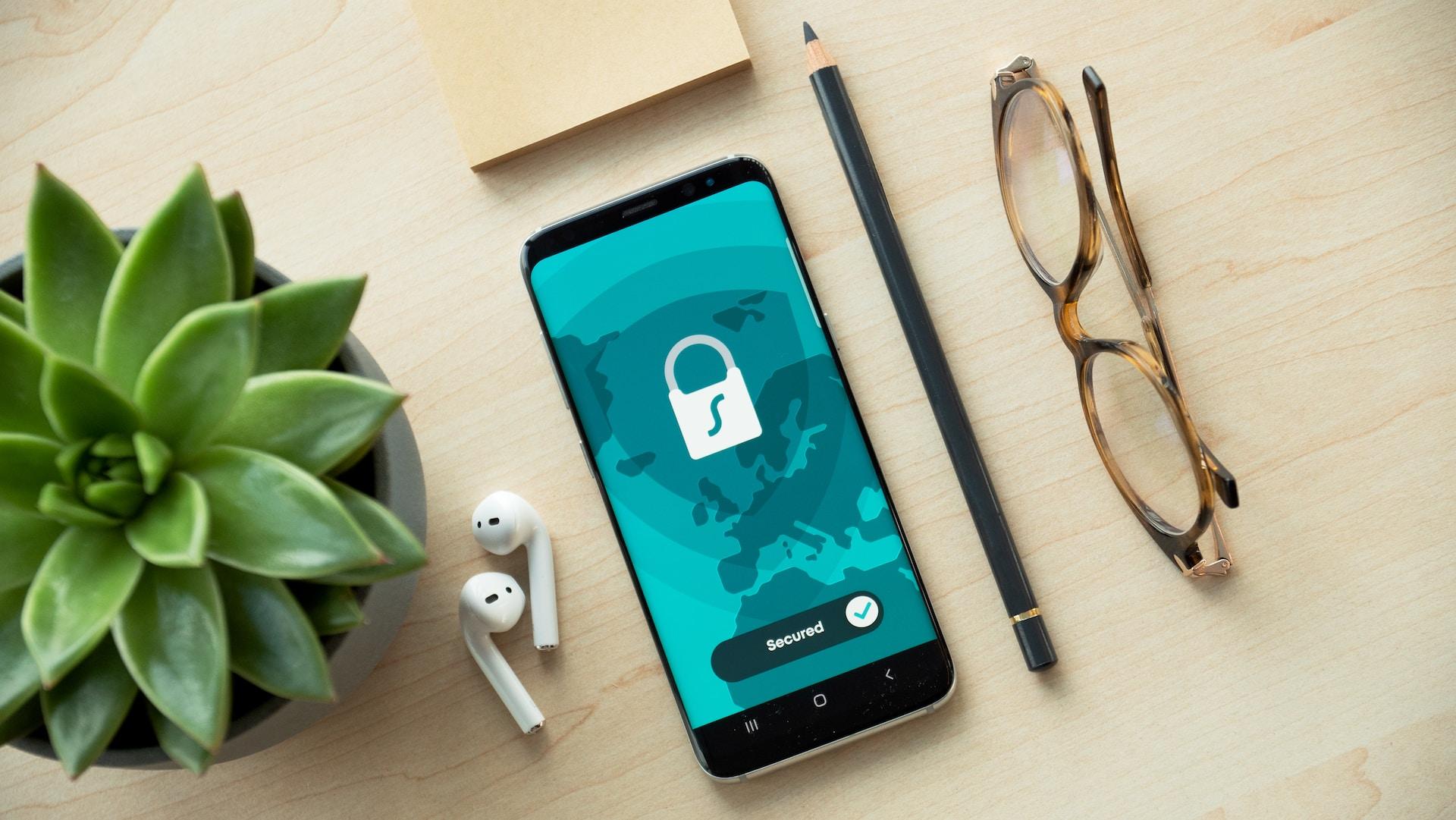
Today, almost every online service requires the user to provide certain personal information for registration. However, the more often we share our information online, the higher the risk of encountering spam, data leaks, or account hacking attempts.
Therefore, many users try to minimize the amount of data shared and use solutions such as GetTempNumber to register on different platforms. But this is not enough — it is also important to follow the basic digital security rules.
Where the Danger Lies
It is important to understand what information you share and whom you trust. For example, there is no issue in using Google services. But if an unfamiliar application requests access to your Gmail account, then it is dangerous to grant such permission. Hackers can compromise the application itself and obtain your personal data even without accessing your Google account.
Email is more than just a mailbox. You use it to register on many websites and services, which means that once hackers gain access to your email, they can take over your other accounts.
- Gaming accounts
Millions of people play World of Tanks, Dota 2, Counter-Strike: Global Offensive, or FIFA, and use Steam, Xbox Live, and other gaming services. Users earn experience, in-game currency, and purchase items for their inventory. By compromising your account, hackers can steal the items and the legally purchased games, and they can sell them for real money.
- Social networks and messengers
These are prime targets for scammers who want to exploit private details of your life. Many people exchange photos, documents, and other confidential information in messaging apps.
- Accounts in iOS and Android
All modern smartphones have a primary device account: an Apple ID for iOS, and a Google account for Android. If hackers gain access to them, valuable information about you and your devices will fall into their hands.
- Mobile apps and games
Programs installed from the App Store and Google Play often request access to your data: your contacts, location, calendar, payment information. Each time, carefully review what exactly you are allowing the application or game to access.
- Banking apps
Nowadays, bank cards are used not only in physical supermarkets, but also in online stores, on the websites of airlines, travel agencies, and so on. Think carefully about where you enter your data.
- Public services
Booking a doctor’s appointment or accessing medical records or prescriptions with important information is easy online. Scammers can replace official websites or apps with fake copies that steal your data if you do not verify the reliability of resources.
How to Protect Your Data
#1 Two-factor authentication (2FA)
This is a double protection, the first line of defense of which is the standard combination of username and password. It can be performed through SMS codes, authenticator applications, push notifications in official apps, and hardware tokens.
2FA is supported by Google, Apple, Microsoft, Dropbox, Telegram, and others. This is an essential security measure to protect your data, so you should enable it in all accounts. If some application does not work with it, then this is a serious reason to abandon its use.
#2 Temporary number
When registering on new websites and apps, it is not always required to provide your primary phone number. You can use virtual numbers for services that you use temporarily or infrequently. Services like GetTempNumber will help reduce the number of unsolicited messages, reduce the risk of personal data leakage, and protect your primary contact information.
#3 Secure connection
Most websites, including email services, social networks, online banking and payment services, have long switched to the HTTPS protocol. When making purchases or performing other sensitive actions, pay attention to the icon next to the address bar.
Make sure that you are connected to the site over an encrypted connection, and also make sure that this is indeed the official website, and not a fake version with a similar-looking address.
#4 Password managers
“Create a strong password” is recommended in almost every cybersecurity article on personal data protection. But it is unlikely that you will come up with something more secure than one generated by a special service. Even if you do, you may not remember, and written notes can be lost.
Password managers who take the hassle out of password management. They generate complex codes themselves and store them securely. You don’t need to remember the data for a specific site — the app will automatically fill in credentials a set of characters into the required field.
#5 App permissions
iOS and Android users can control application access to various data through settings with a list of installed apps. Don’t be lazy and perform an audit: check what data installed apps and games can access. If anything seems suspicious, revoke permissions.
Conclusion
It is impossible to eliminate all risks in the digital space, but following basic cybersecurity practices of cybersecurity significantly reduces the risk of data leakage and account hacking. The more careful you are about protecting your personal information, the safer your online activity will be.