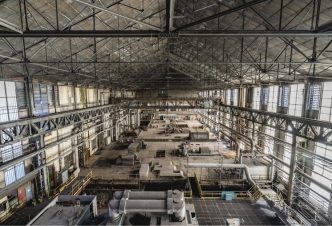
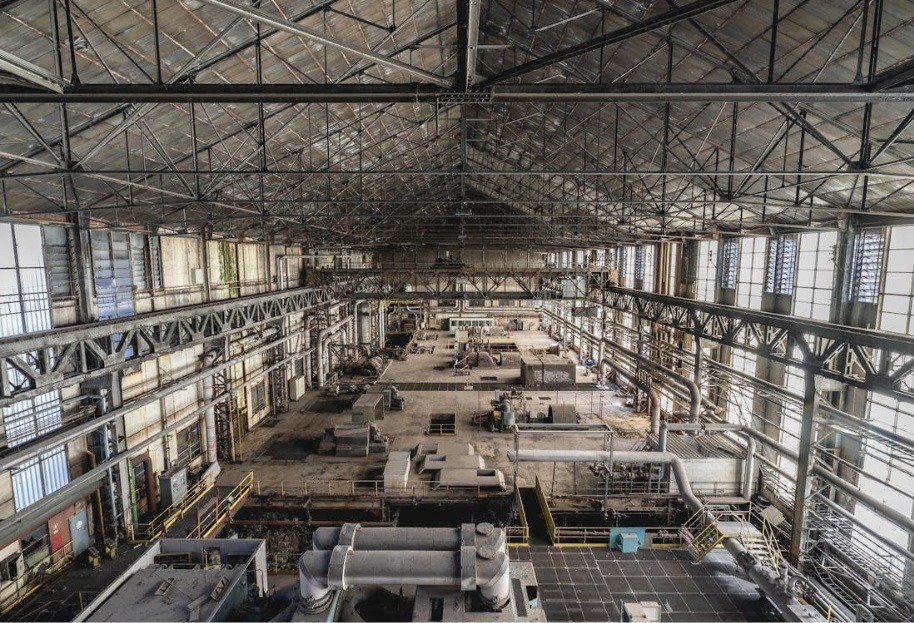
The headlines make reshoring sound like a race for microchips, fabs, and tax incentives. That’s real, but it’s only the visible layer. Every new plant also depends on concrete, structural steel, tanks, platforms, cranes, utilities, and suppliers that can deliver industrial materials on schedule. When project teams map that backbone, they often start with whoever can reliably support fabrication and heavy construction, including a proven steel plate supplier.
Reshoring Is Bigger Than Chips, And 2026 Planning Shows It
A lot of U.S. manufacturing reshoring in 2026 is driven by a simple goal: reduce exposure to long lead times and offshore disruptions. Companies want tighter control over schedule and quality, and many are also investing in smart manufacturing so plants can run with better data, automation, and operational resilience.
But the reshoring factory boom also creates a less glamorous challenge. You can’t commission advanced equipment on an empty slab. Even the most automated line needs a facility that can support it, plus the industrial inputs that arrive long before the first product ships. In other words, reshoring manufacturing is not just a policy story. It’s a construction and procurement story, too.
Factories Do Not Run On Microchips Alone
Before a plant produces anything, it has to be built and outfitted like a piece of infrastructure. Semiconductor, battery, energy, and precision manufacturing sites are especially demanding because they require tightly controlled environments and dependable utilities, but the same “physical reality” shows up across many factory types.
Here’s what tends to show up on the critical path before production starts:
- Foundations and structural systems: slabs, steel framing, mezzanines, equipment pedestals, and access structures that can handle vibration and heavy point loads.
- Utilities and distribution: power equipment, compressed air, steam or process piping, and robust water systems that support both operations and maintenance.
- Containment and storage: tanks, pressure vessels, and bulk storage for process water, fire protection reserves, and facility support systems.
- Walkways and access: platforms, stairs, ladders, ducting supports, and safety barriers that allow inspection and routine service without constant shutdowns.
- Fabricated components: skid-mounted assemblies, structural supports, crane beams, and plant-specific parts that aren’t “high-tech,” but are essential.
This is where construction delays often start. Not because an advanced tool is unavailable, but because basic industrial inputs are constrained, late, or missing documentation. One late batch of plate or a fabrication bottleneck can ripple into mechanical install, electrical rough-in, and commissioning.
That’s also why advanced manufacturing infrastructure depends on dependable Tier 2 and Tier 3 suppliers. The plant is only as fast as the slowest upstream component.
The Overlooked Suppliers Behind Reshored Manufacturing
A big reshoring announcement tends to spotlight robotics, chips, and automation. Meanwhile, the domestic manufacturing supply chain that makes those projects possible is doing the quiet work: sourcing certified materials, processing them, and keeping fabrication moving.
In practice, reshored projects rely on partners such as:
- Fabricators and equipment builders who turn drawings into install-ready assemblies
- Coating and surface-prep shops that protect parts from corrosion and wear
- Industrial metals providers who can supply plate, cut-to-size components, and traceable documentation
- Specialty contractors who handle utilities, controls, and installation sequencing
That’s where an industrial steel supplier earns its place. Project teams don’t just need “steel.” They need the right grades, the right thicknesses, clean processing, and predictable delivery windows that align with fabrication slots.
It also explains why supplier capability matters beyond pricing. A good partner reduces coordination overhead. Fewer handoffs mean fewer opportunities for errors in spec, paperwork, and scheduling.
Reshoring Is Also A Documentation And Reliability Challenge
Reshoring is often framed as a geopolitical or economic strategy. On the ground, it can feel like risk management: shorten supply lines, simplify logistics, and tighten documentation.
Those priorities show up in procurement conversations in 2026, especially for projects tied to public funding, infrastructure programs, and regulated industries. Buyers want fewer surprises, clearer accountability, and faster recovery when something changes.
A few things have become more important than they were a decade ago:
Mill test reports and traceability:
Documentation helps confirm material properties, heat numbers, and compliance. When a project has audits, tight specs, or safety-critical components, “trust me” is not a process.
Domestic sourcing and lead-time control:
Even when offshore supply is cheaper on paper, the risk of delays, port congestion, or shifting international timelines can erase savings fast. Domestic supply can reduce logistical complexity and improve schedule confidence, especially when construction sequencing is tight.
Fewer partners, cleaner workflows:
When cutting, forming, coating, and plate processing are split across too many vendors, each handoff adds a chance for mismatch, damage, or paperwork gaps. Consolidating steps can help fabricators stay on schedule and reduce rework.
Resilience beyond the headline factory:
Many projects can survive a short delay in a high-tech component if the facility is otherwise progressing. The opposite is also true: perfect equipment doesn’t help if structural, mechanical, or storage systems are late. Manufacturing supply chain resilience is often about making sure the “boring” inputs arrive exactly when crews are ready for them.
It’s also worth noting that CHIPS-related investment has extended beyond fabrication itself and into parts of the supporting ecosystem, including materials and equipment capacity. That broader view reflects how production depends on the full stack, not just the most visible layer.
The Broader Lesson: Reshoring Needs An Industrial Ecosystem
Microchips may be the symbol of reshoring, but the real test is whether the U.S. can rebuild the industrial ecosystem around them. New plants need automation, advanced controls, and skilled operators. They also need raw materials, fabrication capacity, reliable utilities, transportation, permitting coordination, and maintenance planning from day one.
The simplest way to think about the next phase of reshoring is this: the factory is the headline, but the ecosystem is the strategy. When project owners invest in the ecosystem, schedules slip less, rework drops, and commissioning becomes a managed process instead of a scramble.
That’s what makes reshoring durable. Not just a ribbon cutting, but a production system that can keep running when conditions change.