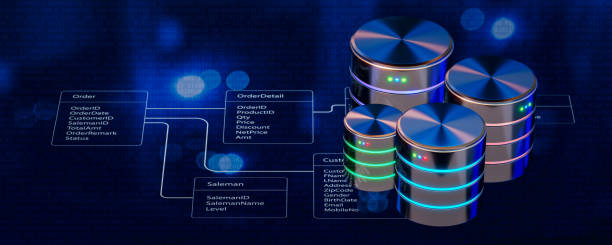

Every minute your network is down, you’re bleeding revenue, goodwill, and the patience of your IT team. Enterprises simply can’t afford to wait until something breaks anymore. That’s where managed visibility comes in; it hands you the real-time intelligence you need to prevent network outages before they snowball into genuine disasters. Stack that alongside smart enterprise network monitoring, and your team stops playing whack-a-mole with incidents and starts actually getting ahead of them. That shift? It changes everything.
The Real Business Cost of Network Outages
Let’s be blunt: downtime isn’t a minor inconvenience. It’s a financial emergency with a very ugly price tag. A 2024 Oxford Economics study found that downtime costs Global 2000 enterprises $400 billion a year, averaging $200 million in annual losses per company. Read that number again. That’s not a rounding error, that’s a crisis hiding in plain sight inside most IT budgets.
The Fallout Nobody Talks About Enough
Sure, the direct dollar loss is staggering. But the ripple effects? Those hit harder over time. Vendor relationships fray, SLA penalties pile up, and your IT staff gets ground down by endless firefighting. When you factor in overtime, escalation costs, and the customers who quietly walk away, recovery almost always costs more than the incident itself.
Why You Can’t Afford to Stay Reactive
Reactive monitoring just doesn’t cut it anymore. If you’re running hybrid environments, supporting remote workers, and depending on cloud applications — and you probably are — prevention has to be woven into your strategy from the start, not slapped on afterward. Using the right network monitoring tools and working with network monitoring companies gives organizations a disciplined path to closing those visibility gaps and building the kind of resilience that holds up under real pressure.
Here’s the thing: once you truly understand what a single outage costs your enterprise, the case for proactive investment basically makes itself.
What Managed Visibility Actually Does for Your Enterprise
With millions of dollars and hard-won reputations on the line every time the network goes dark, the stakes couldn’t be clearer. That’s exactly why managed visibility has become the strategic backbone enterprises are counting on to fight back.
Fewer Outages, Stronger SLAs
The data here is hard to ignore. Research from New Relic’s 2024 Observability Forecast shows that enterprises deploying 15 or more observability capabilities spent 50% less on outages per hour than those with fewer capabilities. That’s not incremental improvement , that’s a fundamentally different operational reality.
Compliance and Reporting Without the Headache
Good enterprise network monitoring creates a detailed audit trail almost as a byproduct. Your team spends less time manually assembling compliance reports and more time acting on insights that actually protect the business. That’s a win you’ll feel every single quarter.
Of course, none of this happens by accident. It’s powered by specific capabilities built into the best network visibility platforms, and knowing what separates a genuinely great solution from an overhyped one will save you a lot of grief.
What to Look for in Network Visibility Solutions
Having the right infrastructure matters enormously. But so does knowing what good actually looks like. Network visibility solutions have evolved fast, and today’s leading platforms offer capabilities that legacy tools honestly can’t touch.
Real-Time Monitoring Plus AI That Actually Thinks Ahead
The best platforms pair real-time anomaly detection with machine learning models that catch irregular patterns before things escalate. You’re not waiting for alerts to fire; you’re getting predictive warnings with context already attached. Response windows shrink dramatically. Problems get handled before users ever notice.
One View Across Every Environment
Your enterprise doesn’t live in a single environment, and your monitoring platform shouldn’t pretend it does. The strongest network visibility solutions cover physical infrastructure, virtual machines, and cloud workloads simultaneously, giving you one unified view with no blind spots hiding in the corners.
Getting the right features in place is essential. But turning those capabilities into a real, forward-thinking outage prevention strategy? That’s where enterprises genuinely pull ahead of the competition.
Building a Proactive IT Outage Prevention Strategy
A reactive posture costs more. Always. Building a real IT outage prevention strategy means weaving intelligence into daily operations, not just running tools quietly in the background and hoping for the best.
Baselines, Dynamic Alerts, and Cutting Through the Noise
Network health baselines let you tell the difference between normal fluctuations and actual warning signs. Dynamic alerting tied to those baselines cuts alert fatigue, so when something flags, it genuinely deserves attention. Your team stops tuning out noise and starts acting on signals that matter.
Self-Healing Automation and Fast Root-Cause Clarity
When systems can self-correct minor anomalies without human intervention, your team’s cognitive load drops significantly. And when escalation is necessary, the root-cause context is already there, cutting resolution time in a way that used to feel impossible.
A solid prevention strategy is only as strong as the tools behind it. Which raises a fair question: how does managed visibility stack up against the legacy monitoring tools a lot of enterprises are still running today?
Managed Visibility vs. Traditional Monitoring: The Honest Comparison
The gaps in legacy monitoring are well-documented. Closing them at enterprise scale takes more than better software; it takes real expertise, which is precisely what the right network monitoring companies deliver.
Side-by-Side: What’s Actually Different
| Feature | Traditional Monitoring | Managed Visibility |
| Coverage | Siloed, device-specific | Full-stack, cross-environment |
| Anomaly Detection | Threshold-based | AI/ML predictive |
| Scalability | Manual configuration | Dynamic and automated |
| Root-Cause Speed | Hours to days | Minutes with context |
| Integration | Limited | NOC, SecOps, cloud-native |
A Scenario That Makes It Concrete
One regional financial services firm running legacy threshold tools kept missing early-stage routing anomalies, repeatedly. After switching to a managed visibility platform, those same anomalies got flagged and remediated automatically, before any user-facing impact ever occurred. That’s the practical gap spelled out in plain terms.
How the Right Network Monitoring Partners Deliver Real Results
Bringing in network monitoring companies to deliver managed visibility gives enterprises access to specialized expertise and cutting-edge capabilities that most in-house teams simply can’t replicate on their own.
Finding the Right Fit
Not every provider fits every enterprise, and that matters. Scalability, customizability, and the quality of ongoing support all count. Vendors offering plain-English diagnostics tend to reduce operational burden on already stretched IT teams far more effectively than those that drown you in raw data.
Calculating the ROI Honestly
Factor in reduced incident response costs, improved staff efficiency, and avoided SLA breach penalties. When you run those numbers, investment in expert-managed services tends to look like a very smart decision pretty quickly.
What’s Coming Next in Network Visibility
AI-driven root-cause analysis, Zero Trust micro-segmentation visibility, and cloud-native monitoring architectures are reshaping the entire space. Proactive threat intelligence enrichment now ties security and network operations together in ways that felt impractical just a few years ago.
Still, one stubborn problem remains. Detection is faster than ever, yet recovery lags badly; nearly one in five incidents takes more than a month to fully remediate, according to a 2025 SANS Institute report. Managed visibility platforms are increasingly targeting this gap by pairing detection with guided, actionable remediation workflows. That’s where the next wave of value lives.
Proven Practices That Actually Prevent Outages
Innovation is exciting. But it only creates real resilience when it’s paired with consistent, disciplined habits, the kind that separate high-performing enterprises from those caught flat-footed.
Regular Audits and Dashboards That Actually Help
Periodic visibility audits make sure coverage doesn’t silently drift as your infrastructure evolves. Unified dashboards give every team situational awareness, making it far easier to spot compounding issues before they converge into an outage nobody saw coming.
Getting Every Team on the Same Page
IT, cybersecurity, and business operations all need a shared visibility context. Training staff on proactive response protocols, not just reactive ones, closes the human gap that no technology can fully address on its own.
What Real Results Look Like
A global logistics company reduced network incidents by 62% within six months of deploying a managed visibility platform. A healthcare network cut mean-time-to-detect from four hours to under twelve minutes. These aren’t outlier stories; they’re repeatable outcomes when the right foundation is in place.
Your Next Move Starts Here
Managed visibility isn’t a luxury anymore; it’s what separates enterprises that absorb outages from those that prevent them entirely. From real-time detection to cross-environment coverage, the case for proactive IT outage prevention is backed by solid data and real-world outcomes you can point to. If your current enterprise network monitoring posture still has blind spots, right now is the moment to fix that. Don’t wait for the next outage to finally make the case for change, build the infrastructure that makes outages the rare exception rather than the exhausting expectation.
Quick Answers to Common Questions
How do you actually prevent system outages?
Monitor proactively with real-time tools, schedule regular preventive maintenance, and keep tested disaster recovery plans current. Deploying comprehensive network visibility solutions gives your team early warning signals that significantly reduce both the frequency and severity of unplanned downtime.
What is enterprise visibility, really?
Enterprise visibility means real-time tracking of network infrastructure, assets, and system health across your entire organization. For IT teams, it translates to unified, actionable insight into every layer of the network, enabling faster decisions, fewer surprises, and more reliable uptime across complex environments.
What makes managed visibility different from basic monitoring?
Basic monitoring reacts to known thresholds. Managed visibility combines real-time data, AI-driven analytics, and expert oversight to predict and prevent issues before they surface, giving you far deeper insight and faster, more informed response capabilities across your entire infrastructure.