The importance of Soft Skills in the Workplace
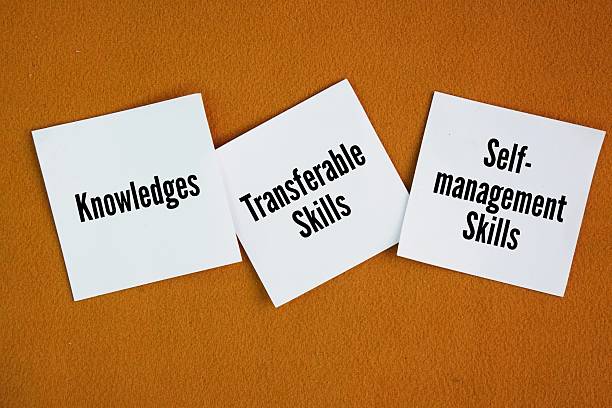
It is impossible to overestimate the importance of soft skills in the quickly changing work environment of today. Although businesses still place a high emphasis on professional knowledge and technical skills, soft skills are becoming more and more important. These intrapersonal and interpersonal skills, such as problem-solving, communication, teamwork, flexibility, and emotional intelligence, are critical to fostering a positive and effective work environment. This essay examines the value of soft skills in the workplace and emphasizes how they affect both an individual’s ability to succeed in their profession and the efficiency of their business.
Collaboration
In order to accomplish shared objectives, modern workplaces frequently depend on cooperative efforts, which makes collaboration essential. Workers with strong cooperation skills may delegate tasks efficiently, take advantage of individual talents, and encourage one another, which boosts output and creativity. Additionally, good team players create a sense of community and shared purpose at work, which enhances the positive work environment. On the other hand, a lack of cooperation can result in miscommunication, redundant work, and an unpleasant workplace.
Flexibility
Flexibility is a critical factor in determining job success in a world where technology improvements happen quickly and market conditions are always changing. Workers that can pick up new abilities fast, accept change, and adapt to changing circumstances are extremely useful. People that are more adaptable are better able to deal with unforeseen difficulties, minimize downtime during changes, and support ongoing improvement projects. Businesses that foster adaptability in their personnel are better equipped to handle market upheavals and preserve their competitive advantage.
Solving Problems
David Magnani, President of M&A Executive Search said, having the ability to solve problems is essential for recognizing, evaluating, and addressing problems that come up at work. Workers who possess the critical and creative thinking skills necessary to come up with workable ideas are priceless. This ability encompasses not only technical proficiency but also the capacity to evaluate circumstances from various angles and foresee possible roadblocks. Proactively resolving complaints through effective problem-solving increases customer happiness, lowers expenses, and improves operational efficiency. Employees with strong problem-solving skills also have a higher chance of professional advancement and are frequently viewed as leaders.
Communication
In any professional capacity, effective communication is essential. It includes the capacity for clear thinking, attentive listening, and informational communication in a way that is understandable to others. Effective communication skills lower the likelihood of conflict, improve understanding among coworkers, and strengthen teamwork. Clear and sympathetic communication goes a long way toward increasing client satisfaction and loyalty in customer-facing professions. In addition, effective communication skills are essential for leaders since they allow them to inspire, direct, and encourage their staff.
Bringing Together Hard and Soft Skills
Soft talents are important, but their full potential only becomes apparent when combined with hard skills, or technical know-how and domain-specific expertise. Workers that possess both skill sets are able to carry out duties with proficiency and can also work well in teams, adjust well to changes, and come up with innovative solutions to issues. For example, an IT specialist with significant technical expertise and outstanding communication skills can successfully lead project teams, clarify complicated issues to stakeholders who are not technical, and better understand user needs. Individual performance is improved by this synergy, which also helps the organization as a whole.
Emotional Intelligence
Jessica Shee of M3Datarecovery.com said,the term emotional intelligence, or emotional intelligence (EI), describes the capacity to identify, control, and comprehend one’s own emotions as well as those of others. Stronger leadership qualities, stronger connections at work, and better conflict resolution are all correlated with high EI. Strong emotional intelligence makes an employee more resilient, empathic, and able to handle pressure. They are able to establish rapport with coworkers, successfully negotiate office politics, and foster a more welcoming and encouraging work atmosphere. Prioritizing emotional intelligence in the workplace frequently results in improved performance overall, decreased employee turnover, and more employee engagement.
Workplace Morality
Having a good work ethic means being responsible, diligent, and dedicated to achieving success. Workers with strong work ethics are trustworthy, on time, and eager to go above and beyond to accomplish company objectives. Employers place a high value on this attribute since it increases overall productivity and sets a good example for others. Because it establishes a reputation for dependability and competence, a strong work ethic frequently results in increased job satisfaction and professional advancement.
Leadership
Many of the previously covered soft skills, such as communication, emotional intelligence, and problem-solving, are components of leadership. Good leaders create an atmosphere of trust and cooperation, inspire and excite their staff, and give clear instructions. Employees at all levels can demonstrate leadership traits by taking the initiative, encouraging colleagues, and seeing initiatives through to completion. Leadership is not limited to managerial roles. Employers who foster leadership qualities at all levels reap the rewards of a more proactive and engaged workforce.
Conclusion
Finally, given the nature of the modern workforce, soft skills are essential. They improve each person’s professional opportunities and support the general prosperity and integrity of companies. The ability to collaborate with others, solve problems, adapt to change, and control emotions will all be crucial in the ever-changing job market. In order to train a workforce that is not just technically skilled but also capable of thriving in diverse and dynamic contexts, employers and educators must place a high priority on the development of soft skills. They will develop a strong, creative, and productive staff that is equipped to handle any issues that arise in the future by doing this.