
Digital health tools represent a $420 billion global market, and they have transformed weight management in particular from a series of isolated, offline decisions into a continuous, data-driven feedback loop. This shift allows individuals to track real-time biometrics, consult specialists remotely, and adjust intervention strategies dynamically rather than waiting months for a routine check-up.
For tech-focused users, managing body composition is becoming remarkably similar to optimizing software. By unifying daily habit tracking with remote clinical oversight, digital health ecosystems provide a clearer picture of metabolic health than traditional doctor visits ever could. It’s advantageous for practitioners as well, of course, so there’s an overlapping advantage to making the switch and providing cutting-edge care with tech at the helm.
How Biometric Tracking and Algorithms Redefine Daily Habits
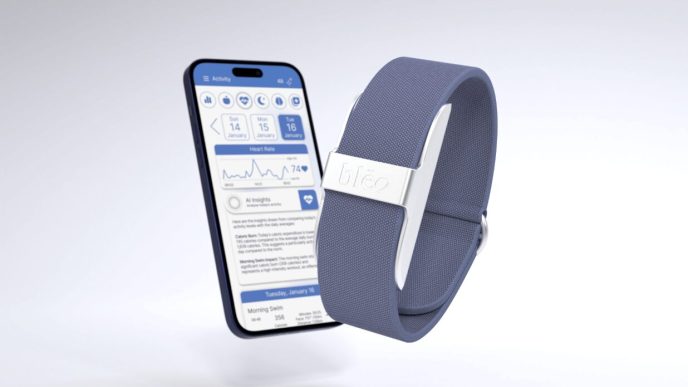
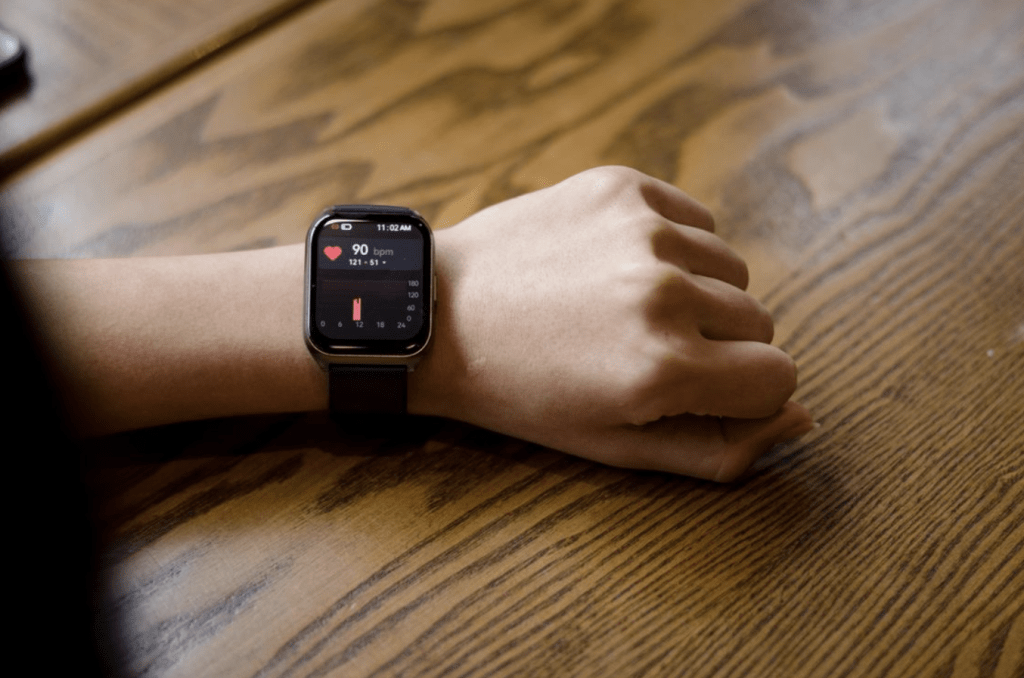
Modern health tracking has moved far beyond manually logging calories in a basic smartphone journal. Connected hardware like smart scales, continuous glucose monitors, and wearable sensors stream real-world biometric data directly into predictive analytics engines.
These algorithms synthesize daily movement patterns, sleep quality metrics, and physiological trends to offer personalized behavioral nudges. Instead of relying on rigid meal plans, users receive contextual feedback that accounts for metabolic fluctuations throughout the day.
Digital tracking applications now account for roughly 42% of total demand in obesity care platforms. This widespread adoption means that personalized data collection is rapidly becoming the baseline standard for anyone serious about body composition and lifestyle changes. When users can see how a late-night meal affects their resting heart rate or recovery metrics the following morning, long-term behavior modification becomes much easier to maintain.
Telehealth Platforms and Clinical Care Integration
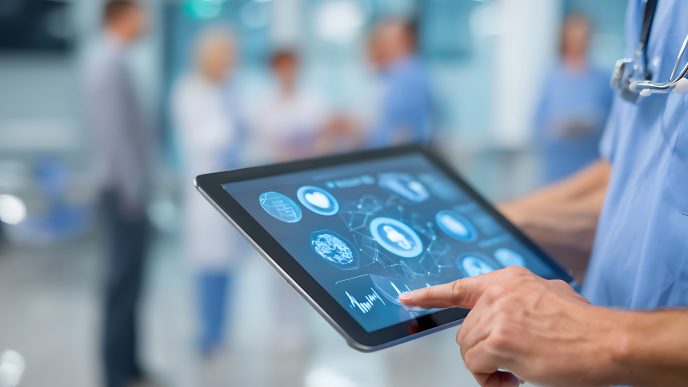
The most impactful evolution in digital weight management is the seamless bridge between daily behavioral tracking and clinical medicine. Virtual care platforms eliminate geographic barriers, providing immediate access to endocrinologists, registered dietitians, and metabolic specialists.
Through these platforms, medical guidance is tailored using the continuous data streams provided by the patient’s own devices. Clinicians evaluate metabolic trends over time, adjusting treatment plans with a level of precision that legacy primary care models cannot match.
This digital infrastructure has become crucial alongside the rise of advanced pharmacotherapy. Accessing reliable semaglutide weight-loss information and ongoing clinical oversight through virtual care models helps patients navigate GLP-1 medications effectively while maintaining vital muscle mass and optimal nutrition, for instance. Integrated digital care platforms optimize medication management by focusing on key clinical capabilities:
- Remote biometric monitoring ensures dosage adjustments happen based on actual progress
- On-demand nutritional coaching protects lean muscle mass during significant body mass reductions
By uniting prescription protocols with behavioral coaching, telehealth providers address both the biological and psychological aspects of long-term body composition management.
Decoding Metabolic Adaptation Through Continuous Hydration and Sleep Metrics
While calorie tracking gets all the attention, real-world metabolic health heavily relies on physiological recovery. Advanced health wearables now track subtle changes in heart rate variability, deep sleep duration, and cellular hydration levels throughout the night.
These background metrics expose how internal stress alters your daily energy expenditure. When a rough night of sleep spikes morning cortisol, smart platforms automatically adjust your workout intensity and target nutrient ratios for the day.
By analyzing these secondary physiological signals alongside diet, digital tools stop metabolic plateaus before they start. Catching recovery deficits early keeps your long-term body composition strategy moving forward smoothly.
Long-Term Outcomes in Tech-Enabled Metabolic Care
Integrating remote patient monitoring with expert clinical management is producing measurable, long-term success. The ability to monitor progress continuously keeps individuals accountable while enabling clinicians to step in long before a plateau leads to complete drop-off.
Recent clinical evaluations demonstrate that long-term telehealth obesity programs can achieve an average body weight reduction exceeding 20% over a 24-month period. This degree of sustained weight loss was historically difficult to achieve in outpatient settings without invasive procedures.
A Positive Future
The combination of smart hardware, real-time behavioral nudges, and remote clinical supervision addresses the biological realities of weight regulation. As these digital management platforms continue to evolve, tech-driven healthcare is shifting the narrative from quick fixes to sustainable, data-backed metabolic health. For more insights into how tech is altering all sorts of sectors, not just healthcare, stick around and read the many other posts we’ve published on our site.