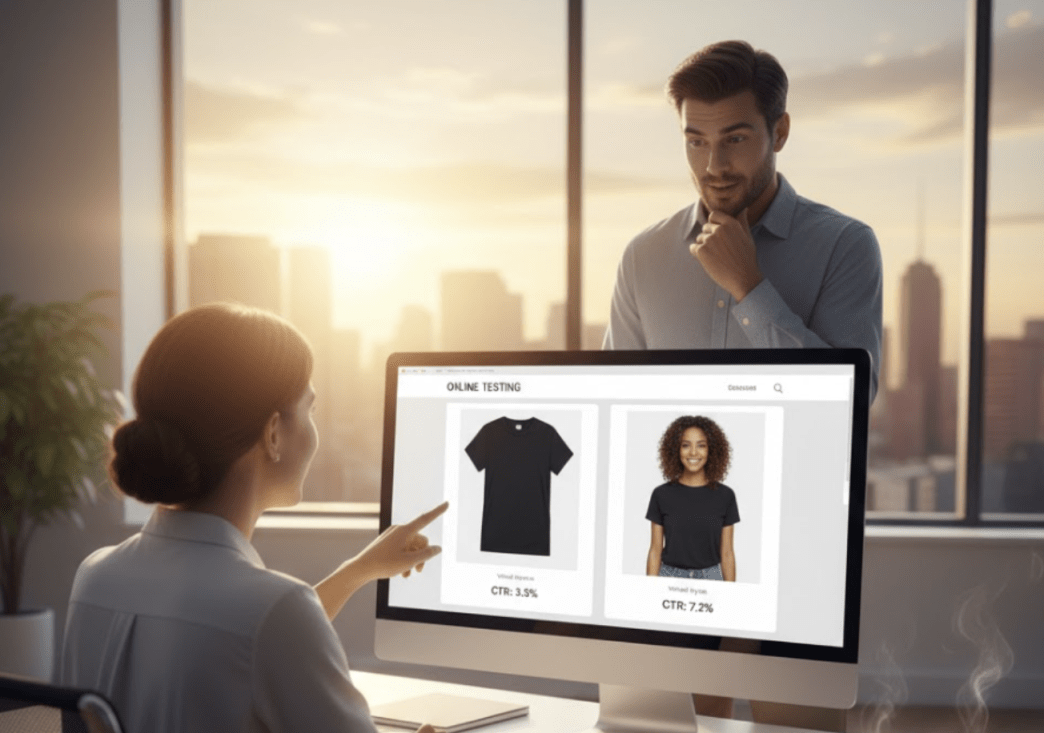
Today’s online shoppers lose patience. If you’re relying on a block of fancy text to keep them around, you’ve already lost. I need to claim that it does not mean you should exclude the necessary info in the product details. In fashion, visuals are more important to attract potential customers and keep old customers. Boosting your CTR comes down to ensuring your customers know whether fitting for them.
That’s why virtual try-on tools are the new secret to high-traffic growth. Unlike stiff flat-lays or generic model shots, AI try-on lets users instantly see how a piece fits different body types and skin tones with stunning realism. It turns ‘maybe’ into ‘must-have.’ In this post, we’ll talk about how an AI can double your product’s click-through rate.
The Product Image Is an Important Thing in the Buying Decision
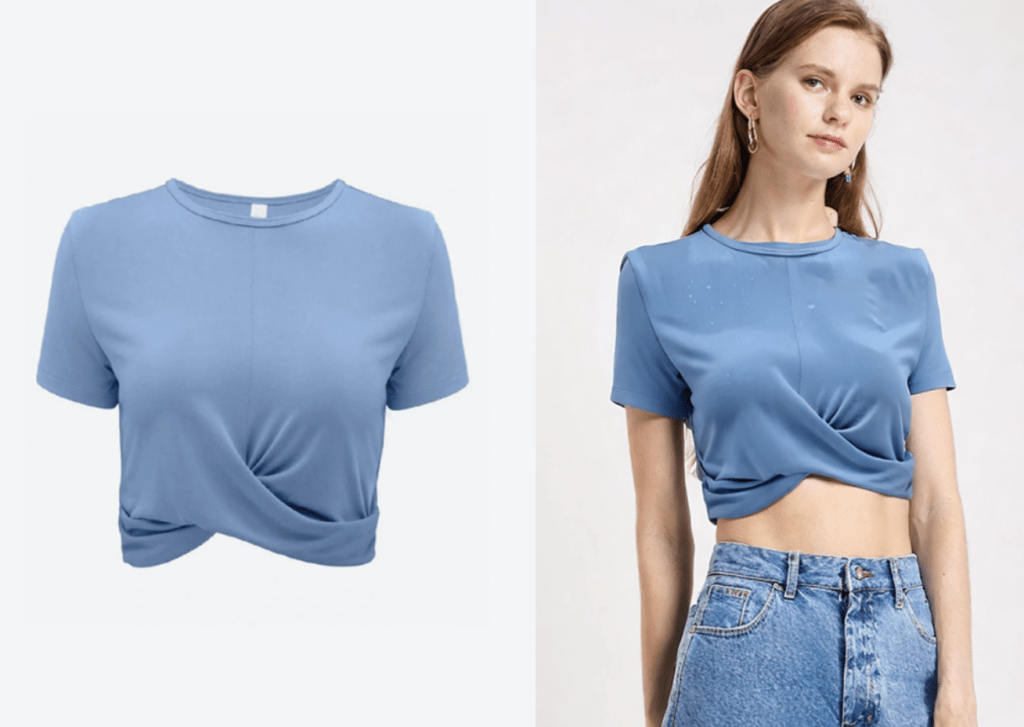
Before price, reviews, or brand trust, the image plays a great role. In most fashion searches, people decide whether to click in under a second, and in that split second, the visual has to answer three quiet questions: what does this look like on a real body, does it feel like *my* style, and does the brand seem modern and reliable. Flat lays look clean, but a bit distant, so the shopper hesitates to buy, which influences CTR. Virtual try-on closes that gap by putting the clothes in context, and shoppers are more confident to make a purchase.
Realistic Visuals Make Shoppers Click
Research from fashion platforms shows that images reduce uncertainty better than static visuals, every time. Shoppers are more willing to click when they feel like they actually understand what they’re going to get. A realistic AI try-on model helps them know the look on similar model or themselves instead of long descriptions. Fabric folds move the way they should, denim still looks heavy, silk catches the light in a believable way—the piece looks worn. That level of realism matters because shoppers don’t really trust product words; they trust what their eyes tell them. Therefore, the click is almost automatic, happening before they even start rationalizing the purchase.
More Relevant Images Mean More Clicks
Though you have you model, but only one model, one vibe may work for branding, but it won’t maximize CTR at scale, because different audiences respond to different visual cues. Fortunately, virtual try-on supports multiple model versions from a single product shot, different body types, skins, and countries, according to your needs. Think about you are a shopper and see something that feels familiar, aspirational, or close to your lifestyle, would you be prone to buy it? Most people say yes, that lift in visual relevance is what moves CTR, especially in ads and search results.
Keep Your Fashion Ads from Getting Boring
Fashion ads usually fade quickly. The product is fine, but people have seen the same image too many times, and content fatigue quietly drags CTR down. The classic solution is to reshoot or refine your page content, which costs time and budget. For ads, pictures are more important than text. You can try virtual try-on out, you can get fast with new poses, new scenes, new models, while the product stays the same. When creatives stay visually fresh, click performance holds up longer, which matters a lot for paid traffic where every drop in CTR makes each click more expensive.
Faster Creative Testing Improves CTR Faster
The brands with the strongest CTR always require constent test. If you’re betting on one shot, it may be difficult to get improvement in your CTR. Traditional photography makes that kind of volume slow and pricey. With AI‑based try-on, teams can generate many on‑model images in hours, push them into ads or grids, and see which ones actually pull more clicks. That fast test‑and‑learn loop is a big part of why bigger players win. Lowering the cost to create variations means smaller teams can finally join the campaign.
Google and Marketplaces Reward Better Engagement
CTR also changes how visible you are. On Google Shopping and most marketplaces, a higher CTR tells the system your product is relevant. More clicks lead to better slotting, better slotting leads to more clicks—it’s a feedback loop. When your product images earn attention instead of just filling a box, the platform tends to reward them. Virtual try-on visuals often beat flat images because they feel modern, human, and almost interactive, even when they’re just static JPGs.
Why Shoppers Trust AI-Generated Visuals More Than You Think
Virtual try-on works because it takes the effort off the shopper. Because they can quickly know the image shows fit, style, and mood. When all of that is clear instantly, the click feels easy. In e‑commerce, the easy clicks are the ones you win most often.
Final Thoughts
Virtual try-on is solving the uncertainty in online shopping. When shoppers see clothes worn realistically, styled clearly, and presented in ways that feel relevant, they click more. Better images are always one of the useful ways to attract potential customers, so with a limited budget, an AI tool is an ideal and effective choice.