
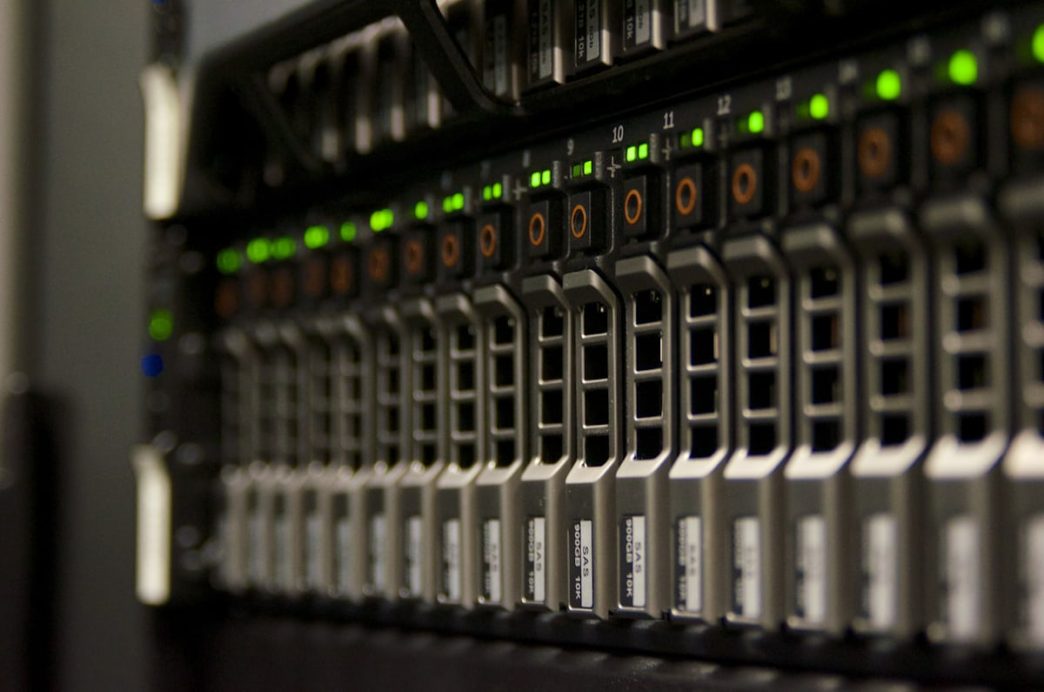
Each company needs servers for proper functioning. These servers provide hosting for websites, web applications, databases, email, and critical business processes. At the same time, many companies possess more servers than needed.
These servers utilize only a small percentage of their processing power, which results in unnecessary expenditures on electricity, air conditioning, administration, and maintenance.
Server consolidation is an excellent way to reduce costs and increase performance. This approach is especially valuable for organizations that manage websites and applications through a web hosting control panel, where efficient server resource allocation directly affects performance and operational costs. Thanks to server virtualization and modern technology, server consolidation is a reality, making it possible for companies to operate with fewer physical servers.
What is Server Consolidation?
Server consolidation is a process of reducing the number of physical servers by migrating software, applications, and data from one server to another. Instead of running one application on one server, companies can run several apps on the same physical server without decreasing performance. For example, if a company owns ten under-utilized physical servers that operate at only 15 percent or 20 percent capacity, the firm can consider server consolidation that will transfer these applications into three or four modern high-performance servers.
The purpose of reducing the number of physical servers is to optimize resources and reduce expenditures on hardware and electricity.
Reasons Why Firms Want To Consolidate Servers
Firms purchase new servers as their business grows and they need more processing power. Consequently, the firms often are left with old servers that are obsolete and difficult to manage.
Server consolidation enables these companies to reduce the number of their physical servers and operate with fewer computers that offer better performance and are easier to manage.
Server consolidation offers several benefits to companies that decide to consolidate their servers. Server consolidation is essential because of the following reasons:
- It reduces IT costs
- It enhances utilization of resources
- It improves managerial effectiveness
- It improves performance
- It reduces the effort needed for data protection and disaster recovery
How Server Consolidation Works?
Companies that want to consolidate their servers need to perform an inventory of all their IT infrastructure to identify the best way of migrating their applications without affecting their performance. Server consolidation involves such steps as evaluating the existing IT infrastructure, migrating appropriate workloads, testing to ensure everything works fine, and monitoring the performance of the new system.
When the new system performs well and meets the company’s needs, the firm can consider retiring some of the servers that it no longer needs. However, before migrating the applications, it is essential to ensure that the servers that will host the applications have enough processing power and storage capacity to handle the workloads of the applications.
Server Consolidation Strategies
Companies can adopt different strategies when consolidating their servers. These strategies include:
- Physical server consolidation
- Virtual server consolidation
- Cloud-based consolidation
- Hybrid-based consolidation
The primary difference between physical and virtual server consolidation is that the former entails the acquisition of new physical servers to host the applications whereas the latter makes use of virtualization to enable multiple operating systems to operate on the same physical server.
The most common server consolidation strategy is virtual server consolidation.
Some companies can utilize cloud-based technologies to consolidate their servers.
Hybrid-based server consolidation enables the companies to operate both physical and cloud-based servers.
Challenges of Server Consolidation
Server consolidation is not without its challenges. The main challenge that companies experience when consolidating their servers is that some applications require a lot of processing power, which makes it difficult for a server to undertake other tasks without affecting the performance of the applications.
Another challenge of server consolidation is a single point of failure. In other words, when the servers are not operating properly, all the applications that run on them are affected.
The following factors should be considered when consolidating servers:
- Ensure applications that run on the same hardware do not interfere with each other.
- Ensure the presence of disaster recovery plans and reliable storage systems.
- Ensure the applications and data are safe from unauthorized access.
Best Practices When Consolidating Servers
Organizations must develop a comprehensive plan when they intend to consolidate their servers.
Companies must ensure that they do not acquire more powerful servers when migrating their applications if the applications do not support their new environment.
Firms should conduct trial tests before migrating their applications to the new systems to ensure that everything works smoothly.
Organizations should invest in monitoring tools that help them track the performance of the new systems, utilization of resources, and potential problems.
The monitoring process enables the firm to detect performance issues before they become serious problems. Moreover, companies should develop proper disaster recovery plans and back up their applications and data regularly to avoid losing valuable information due to technological or human errors.
Is Server Consolidation a Good Idea?
Server consolidation is a good idea for companies that have too many servers, want to reduce their costs, increase performance, and enhance the effectiveness of their IT infrastructure. Server consolidation will reduce the operating costs of a small business significantly, whereas for large firms, it will be easier to manage their IT infrastructure.
However, before deciding to consolidate servers, it is crucial to perform a comprehensive inventory of the existing infrastructure and develop a migration plan.
Conclusion
Server consolidation is vital for firms that want to optimize their IT infrastructure. It enables the firm to reduce the number of physical servers by placing more than one application on the same server.
Server consolidation helps optimize the utilization of resources and reduces costs. Server consolidation is vital for all organizations because it improves performance when done properly. As companies continue to invest in virtualization and cloud-based technologies, server consolidation becomes inevitable.
Companies that wisely choose when to consolidate their servers, how to monitor their performance, and how to manage their new systems save a lot of money and have a solid IT infrastructure.