A poster can look polished at full size and become unreadable the moment it appears in a feed, a storefront preview, or a crowded presentation slide. That is the useful way to judge Nano Banana Pro: not by whether the first render feels expensive, but by whether the exact message survives realistic viewing conditions. Attractive lighting cannot rescue a missing price, a mangled product name, or a headline whose hierarchy disappears at thumbnail size.
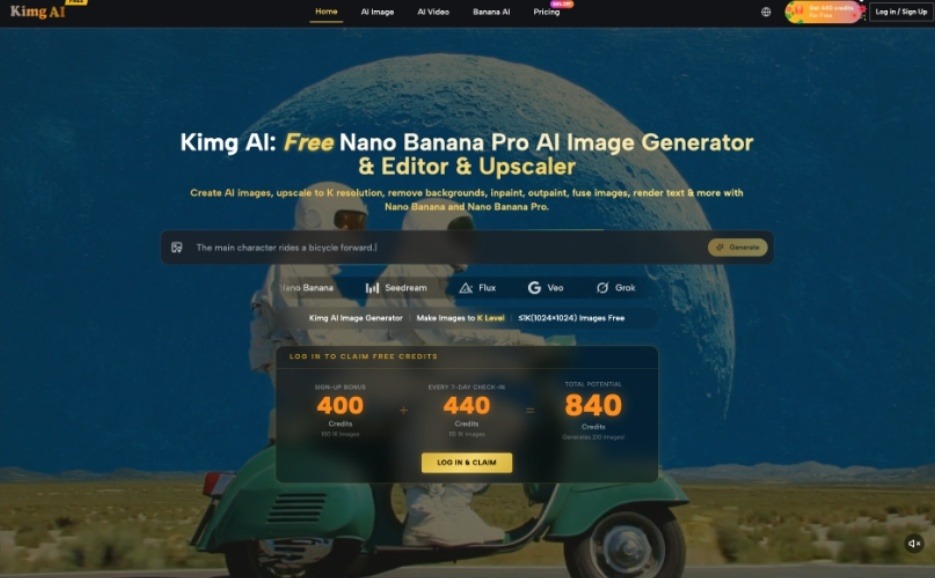
Kimg AI makes this test practical because the workspace accepts a prompt or source image and lets the user choose an image size before generation. The model behind the Pro route is designed for complex compositions, stronger world knowledge, and more accurate multilingual text. Those capabilities raise the ceiling. They do not turn generated lettering into approved copy. A buyer still needs a repeatable pass or fail method.
Beautiful Posters Break at Normal Reading Distance
Creative review often begins at the wrong zoom level. A designer opens the largest file, notices the materials and lighting, and approves the overall mood. The audience sees something else: a compressed tile, a mobile crop, or a print viewed from several steps away. Text errors that seem minor in the source become the entire message at those sizes. The review should therefore begin with the words and their reading order, not with surface polish.
Test the Copy Before Testing the Art
Put the approved copy in a plain text note before generation. Record spelling, capitalization, punctuation, price, date, and any required qualifier. Then compare the image against that note character by character. This separates a visual decision from a factual one. If the model rewrites a phrase, the team can reject it immediately instead of debating whether the altered wording looks better.
Use Three Viewing Sizes for One Verdict
Review the same output at full size, at the size used in the destination layout, and as a small thumbnail. Full size exposes malformed letters and texture artifacts. Destination size shows whether the headline, offer, and call to action keep their order. Thumbnail size answers a simpler question: can a viewer identify the subject and primary message without stopping to decode the design?
| Review view | Pass signal | Immediate rejection signal |
| Full resolution | Every required character matches approved copy | Invented letters, missing words, changed numbers |
| Destination size | Headline and supporting copy keep clear order | Legal line vanishes or price outranks product |
| Thumbnail | Subject and main promise remain recognizable | Text becomes texture or crop removes context |
This table turns taste into a short acceptance test. A result can pass one row and fail another. That is useful information, because the fix may be a copy change, a layout change, or a new generation rather than a vague request to make the poster cleaner.
Run the Same Brief Through Three Checks
A fair model test keeps the brief stable. Use the same subject, offer, copy, and intended placement across attempts. Change one variable at a time. Kimg AI can generate several images in one request, but a batch is only comparable when the instructions and source material remain controlled. Otherwise the team cannot tell whether the model improved or the brief quietly moved.
Check Exact Words Before Style Details
Start with the hardest text element, such as a product name beside a price or a short multilingual line. Keep the first composition simple. If the required wording does not survive that clean case, adding decorative labels and background signage will make diagnosis harder. A pass means exact words, not text that is close enough for a reviewer who already knows what it should say.
Check Visual Hierarchy at Thumbnail Size
Next, place the approved image in a rough destination frame. A social tile, marketplace card, and event screen impose different priorities. The main line should win without making the qualifier disappear. If every piece of copy asks for equal attention, the problem may be the brief rather than the model. Reduce the number of messages before requesting another render.
Check Localized Copy as Fresh Artwork
Do not treat a translated poster as a simple word swap. The new language may require more space, different line breaks, and another visual rhythm. Generate and review it as a separate asset. Nano Banana Pro can render legible text in multiple languages, but the local version still needs a native-language reviewer who checks meaning, tone, dates, currency, and cultural fit.
- Reject any output that changes a number or required qualifier.
- Save the approved copy outside the image file.
- Test the actual crop used by the publishing channel.
- Have a fluent reviewer approve every localized version.
Use Resolution Controls Only After Copy Passes
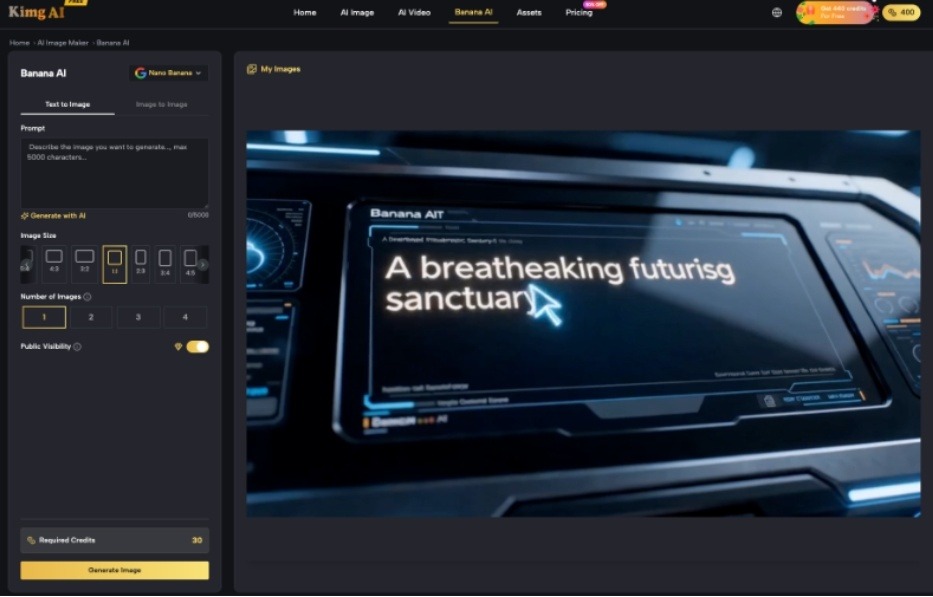
Higher resolution is valuable when the content is already correct. It gives edges, type, and small objects more room, but it can also make a wrong word look more convincingly finished. Kimg AI offers high-resolution routes and size controls, so teams should place resolution late in the decision sequence: first exact copy, then hierarchy, then final output size.
That order also saves review time. If a draft fails on wording, there is no reason to debate whether the shadows need more depth or whether the background should be sharper. Reject the factual error, correct the brief, and run the smallest useful test again. Polish belongs to the version that has already proved it can carry the message.
Choose Pro for Text Heavy Compositions
A text-heavy poster, infographic, or packaging mockup is a stronger case for the Pro model than a loose mood image. Its improved text rendering and reasoning can help with labels, diagrams, and structured compositions. That does not mean every draft deserves the premium route. Explore the concept with simple copy, then move the selected direction into Pro when correct language and high-resolution delivery become the main risks.
Keep One Approved Copy Outside the Image
When reviewers comment directly on generated art, wording can drift between versions. Maintain a small copy block with the exact headline, support line, call to action, and legal text. The second linked route to Kimg AI should enter the process only after that block is locked. This makes every rerender auditable and stops visual excitement from silently rewriting the offer.
Where Poster Text Still Needs Human Review
Generated text can still fail on spelling, factual accuracy, localization, hierarchy, and accessibility. A high-resolution file may also be cropped or compressed after upload. Human review must cover the final channel version, not only the source image. Regulated claims, prices, dates, and legal qualifiers need the same approval they would receive in a conventionally designed poster.
Approve the Message Before Approving the Poster
The right users for this workflow are marketers, editors, and small creative teams that need polished text-bearing images without losing control of the message. Kimg AI gives them a fast place to generate, compare, and size the visual direction. The acceptance decision still belongs to a copy test.
Use the model when the brief is clear enough to be checked. If the team has not agreed on the words, hierarchy, destination crop, or local-language reviewer, more generations will only produce more attractive uncertainty. Lock the message first, then approve the image that carries it accurately.