Somewhere in the last few years, the humble Amazon Fire Stick went from “cheap gadget you buy your parents” to the quiet center of the modern living room. While the streaming wars raged and every studio launched its own app with its own password and its own price hike, the little HDMI stick just kept doing its thing: putting every service on one screen, behind one remote.
The box that ate the cable box
The numbers behind cord-cutting stopped being a trend story a while ago — it’s just how television works now. What’s changed recently is how complete the replacement has become. A Fire Stick in 2026 handles the big streaming platforms, live TV apps, sports services, free ad-supported channels, and — increasingly — full IPTV subscriptions that bundle hundreds of live channels into a single app.
That last category is where things have gotten interesting for viewers outside the US, particularly in Europe. French households, for example, have been adopting subscription IPTV services at a remarkable pace, running them through the same Fire Stick hardware American cord-cutters use for their streaming apps. Services in this space — atlasproontv.tv being one example serving the French market — deliver live channels, films, and series through a single activated app, usually running within fifteen minutes of purchase, with setup on a Fire Stick taking little more than the Downloader app and an activation code.
Why the Fire Stick keeps winning
Three reasons the stick has become the default:
Sideloading is trivially easy. The Downloader app plus a URL or code gets any Android APK onto the device in minutes. No jailbreaking, no warranty drama — it’s a supported feature that Amazon has never seriously restricted.
It’s disposable-cheap but capable. The 4K Max model streams UHD with Dolby Vision for the price of a family pizza night. When a better model ships, upgrading doesn’t hurt.
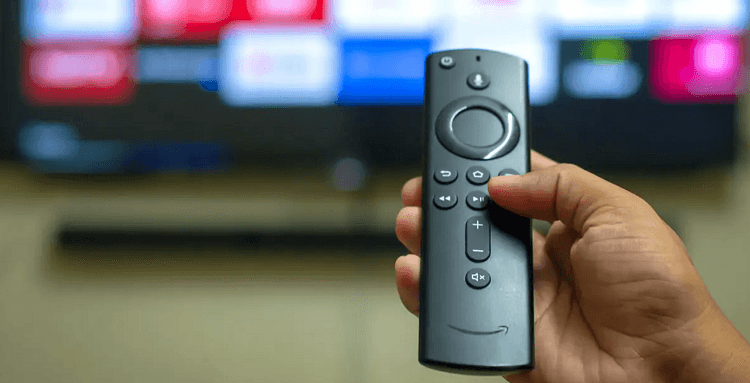
The remote ecosystem matured. Between Alexa voice search and universal remote functions controlling TV power and volume, the stick replaced not just the cable box but most of the coffee-table clutter.
The setup most people run now
The standard 2026 cord-cutter loadout looks something like: two or three rotating SVOD subscriptions (canceled and resubscribed as shows demand), one free ad-supported service for background viewing, a live TV or IPTV app for sports and news, and a media player like VLC or Kodi for personal libraries. Total monthly cost: typically half of what the equivalent cable package ran five years ago, on hardware that cost less than a single month of that old bill.
The cable box had a thirty-year run as the toll booth of home entertainment. Its replacement fits in your pocket, costs $40, and doesn’t care which country’s television you point it at. That’s not a bad trade.